Undocumented Immigrant's Arrest Highlights Systemic Failures in Screening and ICE Detainer Policies
The case of Ibrahim George Kallon, an undocumented immigrant accused of sexual assault while training as a corrections officer, exposes gaps in vetting processes and the problematic nature of ICE detainers.
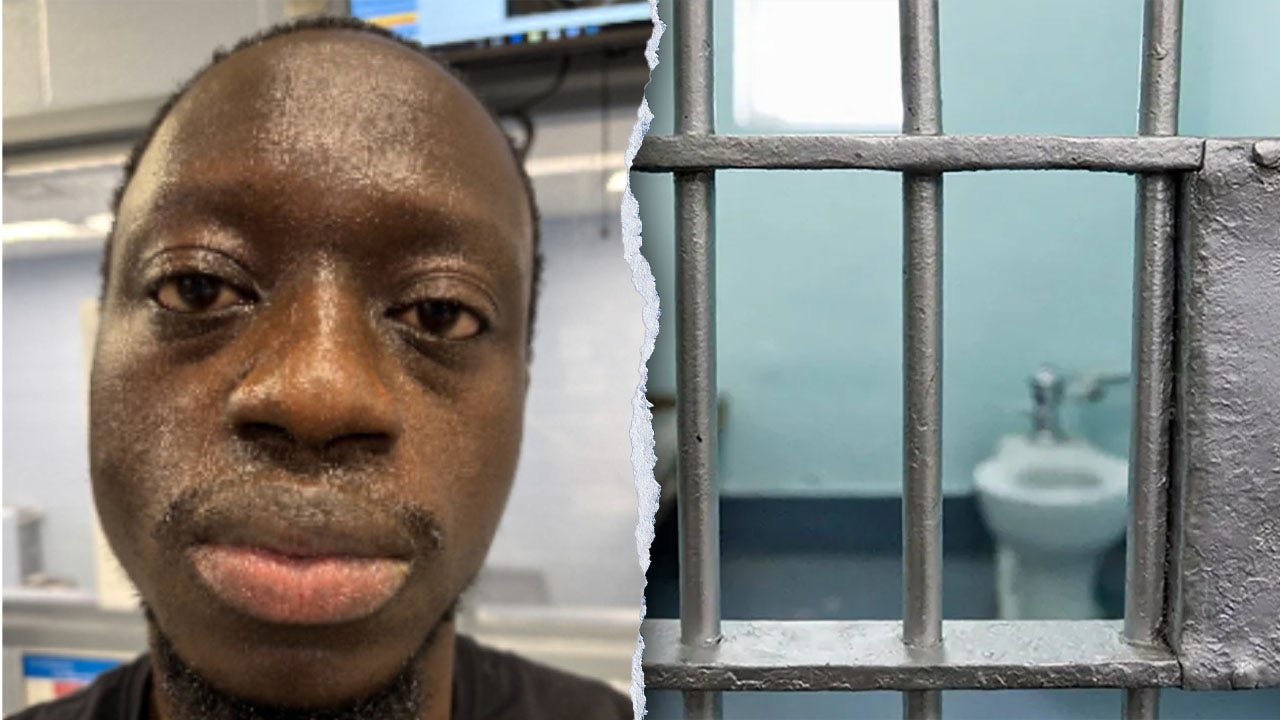
The recent arrest of Ibrahim George Kallon, an undocumented immigrant from Sierra Leone, on suspicion of rape and other sexual offenses, while training to be a corrections officer in Pennsylvania, raises critical questions about systemic failures in screening processes and the controversial use of ICE detainers. Kallon's expired visa and subsequent employment, even temporarily, within the corrections system underscores the need for comprehensive reforms in vetting procedures at both the state and local levels.
Kallon’s arrest by the Glenolden Police Department on February 11, while training to become a corrections officer at the Delaware County Prison, revealed significant oversights. The charges against him—involuntary deviate sexual intercourse, sexual assault, aggravated indecent assault, false imprisonment, and indecent assault—are deeply troubling and underscore the importance of rigorous background checks for anyone entering a position of authority, regardless of immigration status.
The decision by Delaware County Prison to release Kallon despite an ICE detainer is particularly concerning. ICE's statement on X, "If the county won’t protect its own residents, we’ll do it for them," reflects the tension between federal immigration enforcement and local jurisdictions that have adopted policies limiting cooperation with ICE. These “sanctuary” policies are often implemented to protect immigrant communities from overreach and to foster trust between law enforcement and residents, but they can also lead to situations like this one, where an individual accused of serious crimes is released back into the community.
The use of ICE detainers has been widely criticized by civil rights organizations and legal scholars, who argue that they can lead to unlawful detentions and violate due process rights. Some courts have ruled that holding individuals solely on the basis of an ICE detainer may violate the Fourth Amendment, which protects against unreasonable seizures. The potential for abuse and the chilling effect on immigrant communities cannot be ignored.
Furthermore, the case highlights the broader issue of how society treats immigrants, particularly those from marginalized communities. The narrative surrounding Kallon's arrest often dehumanizes him, reducing him to his immigration status rather than acknowledging the complexity of his individual circumstances and the potential for systemic factors contributing to his alleged actions.
The incident echoes a similar case in January involving Morris Brown, a Liberian citizen accused of misrepresenting himself as a U.S. citizen while working as a prison guard in Minnesota. These incidents suggest a pattern of inadequate vetting processes within correctional facilities and a need for greater oversight and accountability.
To address these issues, policymakers should prioritize comprehensive immigration reform that provides pathways to legal status for undocumented immigrants, while also ensuring robust screening processes for individuals seeking employment in sensitive positions. Investing in community-based organizations that provide support and resources to immigrant communities can also help prevent crime and promote integration.
Additionally, there must be a critical examination of ICE's enforcement tactics and the impact of its policies on local communities. Limiting the use of detainers and focusing on individuals who pose a genuine threat to public safety, rather than engaging in broad-based enforcement, can help restore trust between law enforcement and immigrant communities.
Ultimately, the case of Ibrahim George Kallon serves as a stark reminder of the need for a more humane and just approach to immigration enforcement and a commitment to addressing the root causes of crime and inequality.
Sources:
* U.S. Immigration and Customs Enforcement (ICE): [https://www.ice.gov/](https://www.ice.gov/) * American Civil Liberties Union (ACLU): [https://www.aclu.org/](https://www.aclu.org/) * National Immigration Law Center (NILC): [https://www.nilc.org/](https://www.nilc.org/)