Lutnick's Epstein Connection Raises Ethics Concerns, Demands Accountability
As calls for Commerce Secretary Lutnick to testify intensify, questions arise about the influence of wealthy elites and the need for transparency in government.
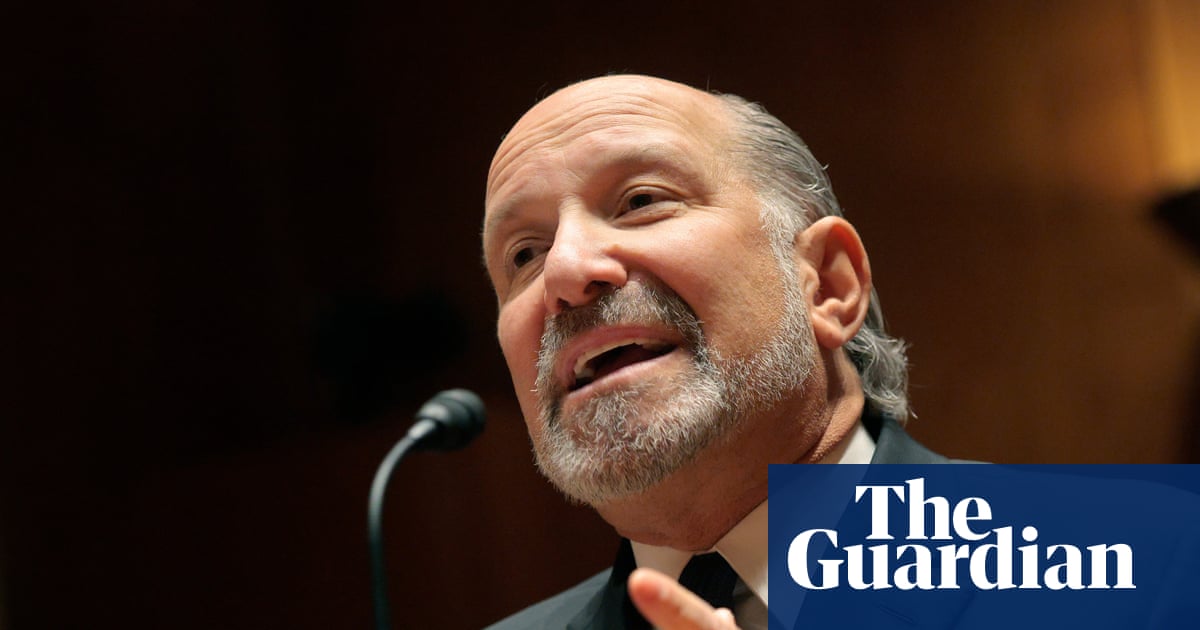
Washington, D.C. – The resurfacing of a photograph showing Commerce Secretary Howard Lutnick with convicted sex offender Jeffrey Epstein is fueling concerns about ethical standards within the Trump administration and the potential influence of powerful figures. The photograph, which the Justice Department recently restored to its website, depicts Lutnick with Epstein on the latter's private island, prompting demands for greater transparency and accountability. Lutnick’s proximity to Epstein, and the subsequent cover-ups, raise serious questions about who has access to power and influence, and who is held accountable when those in positions of power abuse that access.
Senators Chris Van Hollen (D-MD) and Jeff Merkley (D-OR) are leading the charge, calling for Lutnick to testify before Congress and provide a comprehensive account of his relationship with Epstein. Their letter emphasizes the need for a full accounting from every public official whose statements on this matter have proven incomplete, highlighting the importance of protecting survivors of Epstein's crimes. The senators' request for all records of meetings, phone calls, and correspondence with Epstein, even after his 2008 conviction, underscores the gravity of the situation. This is not just about Lutnick; it’s about the systemic problem of wealthy individuals leveraging their connections to escape scrutiny and accountability.
Lutnick's past claims about Epstein being “the greatest blackmailer ever” further complicate the narrative. These assertions demand substantiation and raise questions about the nature of their relationship and any potential knowledge Lutnick may have possessed regarding Epstein's illicit activities. Furthermore, inquiries into the nanny Lutnick employed suggest a wider network of individuals potentially entangled in Epstein's web. The fight for justice must include a thorough investigation into all those who enabled and benefited from Epstein's crimes.
House Oversight Committee members, including Representatives James Comer (R-TN), Nancy Mace (R-SC), and Ro Khanna (D-CA), are also pushing for Lutnick's testimony, signaling a bipartisan interest in uncovering the truth. Khanna's statement that the committee likely has the votes to subpoena Lutnick highlights the growing pressure for him to come clean about his relationship with Epstein. This is about ensuring that no one, regardless of their wealth or political connections, is above the law.
The fact that Lutnick was a longtime neighbor of Epstein in New York and that he had engagements with Epstein after his 2008 conviction underscores the extent of their relationship. Lutnick's admission to having lunch with Epstein on his private island in 2012, despite his previous claims of distancing himself in 2005, raises further doubts about his credibility. This situation demands a thorough and impartial investigation to determine the full extent of Lutnick's involvement and any potential complicity in Epstein's crimes.
This scandal serves as a stark reminder of the systemic issues that allow the wealthy and powerful to exploit and abuse others. It is a call to action for greater transparency, accountability, and ethical conduct in government. The American people, especially the survivors of Epstein's horrific crimes, deserve nothing less than a full and honest accounting of the truth. The Lutnick-Epstein connection is not just a personal failure; it is a reflection of a broken system that must be reformed to prevent such abuses from happening again.