Macron's Nuclear Update Raises Questions About Global Security Priorities and Equity
As Macron revisits France's nuclear doctrine, concerns arise about the disproportionate impact of nuclear strategy on marginalized communities and the prioritization of military spending over social programs.
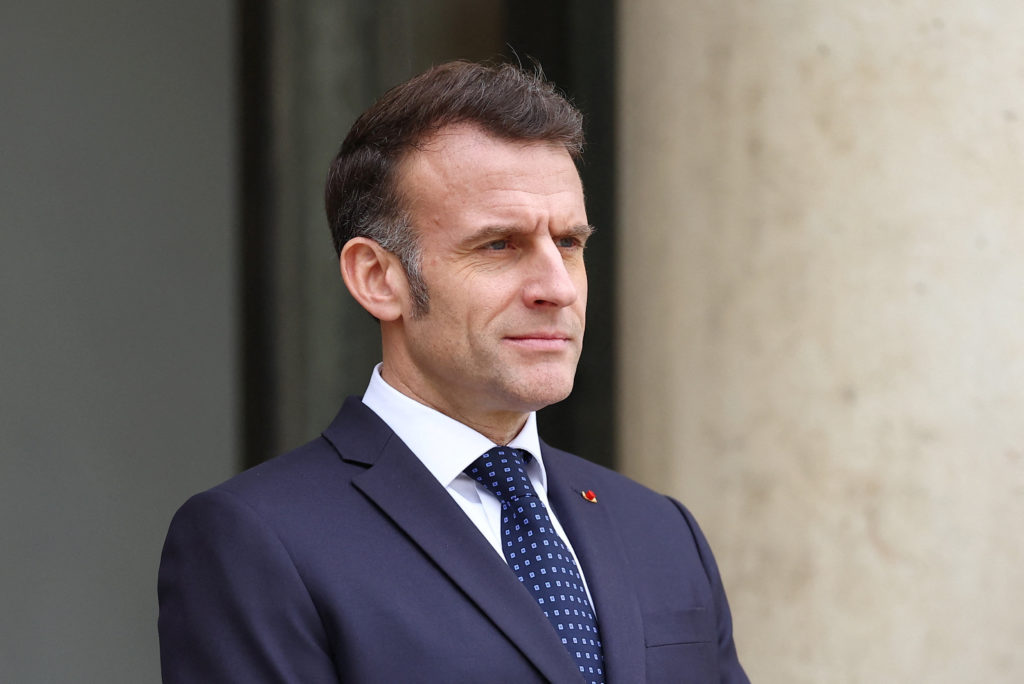
French President Emmanuel Macron's upcoming update on France's nuclear strategy, particularly regarding the deployment of submarine-launched and airborne warheads, arrives amidst a global conversation about the ethical implications of nuclear weapons and the need for a more equitable distribution of resources. While proponents argue that a strong nuclear deterrent ensures national security, critics contend that such strategies divert resources from vital social programs and perpetuate a cycle of militarization that disproportionately affects vulnerable populations.
The focus on nuclear capabilities raises concerns about opportunity costs. The immense financial resources required to maintain and modernize France's Force de Frappe could instead be directed toward addressing pressing social and economic challenges, such as poverty, healthcare disparities, and climate change. Progressive voices argue that true security lies not in military might but in addressing the root causes of instability, such as inequality and environmental degradation.
Furthermore, the environmental and social consequences of nuclear testing and potential deployment disproportionately impact marginalized communities. Historically, nuclear testing has been conducted in regions inhabited by Indigenous populations, resulting in long-term health problems and displacement. The potential use of nuclear weapons poses an even greater threat, with devastating consequences for all of humanity, but particularly for those already struggling with poverty and lack of access to resources.
Macron's emphasis on European strategic autonomy also raises questions about the role of multilateralism and international cooperation. While proponents argue that a strong European defense posture is necessary to counter external threats, critics worry that it could undermine efforts to build a more peaceful and cooperative world order. A truly progressive approach would prioritize diplomacy, arms control, and conflict resolution over military solutions.
The concept of 'extended deterrence' is particularly problematic from a progressive perspective. The idea that France's nuclear capabilities could be used to deter attacks against its European allies raises concerns about the potential for escalation and the blurring of lines between defensive and offensive strategies. A more responsible approach would focus on strengthening international norms against the use of nuclear weapons and promoting disarmament initiatives.
France's independent nuclear posture, a legacy of Charles de Gaulle, is often presented as a symbol of national sovereignty. However, progressive voices argue that true sovereignty lies in the ability to address the needs of all citizens and to contribute to a more just and sustainable world. This requires a shift away from militaristic priorities and toward a focus on human security and social justice.
The update on France's nuclear strategy should also address the issue of transparency and democratic accountability. Decisions about the use of nuclear weapons should not be made behind closed doors but should be subject to public scrutiny and debate. Civil society organizations and experts should be given a voice in shaping nuclear policy.
Ultimately, Macron's announcement provides an opportunity to re-evaluate France's security priorities and to consider alternative approaches that prioritize peace, justice, and sustainability. A truly progressive vision of security would recognize that the greatest threats to humanity are not external enemies but the internal challenges of inequality, poverty, and environmental degradation.
The emphasis on the Force de Frappe distracts from real needs, such as investment in education, healthcare and affordable housing. These omissions represent a failure of vision in the face of humanity's greatest challenges.