Rubio Labels Iran 'State Sponsor of Wrongful Detention' Amid Concerns for Detained Americans
Rights groups question the move's impact on diplomacy and the safety of vulnerable populations in Iran.
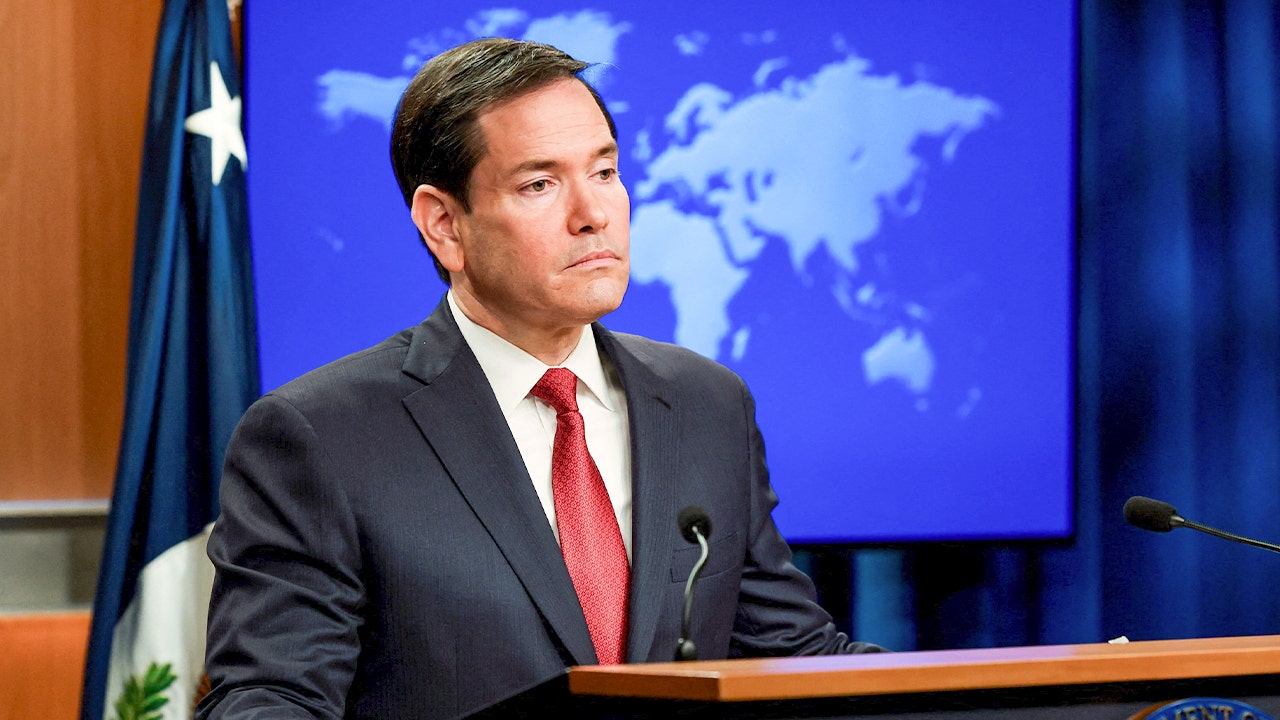
Secretary of State Marco Rubio's designation of Iran as a State Sponsor of Wrongful Detention on Friday raises concerns about the potential impact on diplomatic relations and the well-being of both Americans and Iranian citizens. While the move is framed as a response to the unjust detention of Americans, critics argue it could further isolate Iran and hinder efforts to address human rights issues through dialogue.
Rubio's announcement, citing the Iranian regime's history of detaining individuals for political leverage, comes in the wake of President Trump's Executive Order and the Countering Wrongful Detention Act of 2025. These measures, while intended to protect U.S. nationals, have been criticized by some as potentially undermining international cooperation on human rights.
"When the Iranian regime seized power 47 years ago, Ayatollah Khomeini consolidated his control of power by endorsing the hostage taking of U.S. embassy staff," Rubio stated. However, critics point out that such historical references risk oversimplifying a complex geopolitical landscape and neglecting the impact of U.S. foreign policy on the region.
Human rights organizations express concern that this designation could exacerbate the existing humanitarian crisis in Iran, which has been worsened by economic sanctions. The potential for further travel restrictions, as suggested by Rubio, could also impact Iranian-Americans and others who have family ties in Iran.
"The Iranian regime must stop taking hostages and release all Americans unjustly detained in Iran, steps that could end this designation and associated actions. We encourage it to do so," Rubio said. However, some analysts suggest that a more nuanced approach, involving direct diplomacy and engagement with civil society, may be more effective in securing the release of detainees.
The focus on American detainees also raises questions about the U.S. government's broader commitment to human rights. Critics argue that a truly consistent approach would involve addressing human rights abuses in all countries, including those that are allies of the United States.
There's also the risk of a retaliatory response from Iran, potentially leading to further detentions of foreign nationals or other actions that could destabilize the region. It's crucial that the U.S. government prioritize de-escalation and pursue diplomatic solutions to avoid further conflict.
The designation's impact on Iranians seeking asylum or refugee status in the United States also warrants consideration. Increased tensions between the two countries could lead to stricter immigration policies and greater scrutiny of Iranian applicants.
Ultimately, a sustainable solution requires addressing the root causes of conflict and instability in the region, including poverty, inequality, and political repression. This necessitates a comprehensive strategy that prioritizes diplomacy, economic development, and respect for human rights.
The long-term consequences of this designation remain uncertain. It's essential that the U.S. government carefully consider the potential implications for the region and for the people of both Iran and the United States.
The designation of Iran as a State Sponsor of Wrongful Detention highlights the complex interplay between national security, human rights, and international relations.
The U.S. must ensure that its actions do not inadvertently harm vulnerable populations or undermine efforts to promote peace and stability in the region.
Sources: * U.S. Department of State * Amnesty International * Human Rights Watch