Maine Tragedies Highlight Systemic Failures and the Endless Trauma of Gun Violence
The horrific killings of four people in Bowdoin and the shooting of three highway commuters expose the deep vulnerabilities in our communities.
The quiet communities of Bowdoin and Yarmouth, Maine, were shattered on Tuesday by a devastating wave of gun violence that left four people dead inside a home and three motorists hospitalized, one critically. The arrest of 34-year-old Joseph Eaton brings a temporary end to the immediate physical threat, but it does little to address the deep, systemic trauma that such acts of violence inflict on our social fabric. Once again, we are forced to confront the reality of how easily lives can be stolen when lethal weapons are readily accessible and systemic social safety nets are absent.
The tragedy began in the residential town of Bowdoin, where four victims were found dead inside their home. A home is supposed to be a sanctuary, a place of safety and peace, especially for working-class families seeking refuge from the pressures of daily life. To have that sanctuary violated so completely is a horrific reminder of the vulnerability of our domestic spaces. The lack of immediate details about the victims only deepens the collective grief of a community left wondering who among their neighbors has been lost to this senseless act.
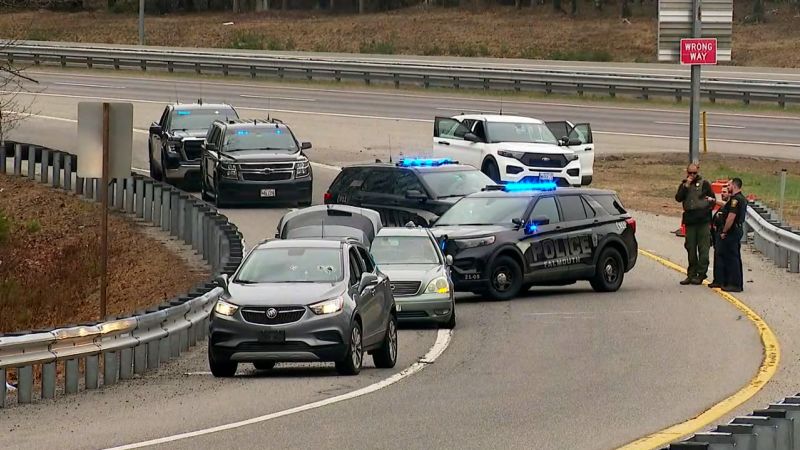
The violence quickly spilled onto Interstate 295 in Yarmouth, a major transit corridor utilized by everyday workers, commuters, and families. Three drivers were shot while simply going about their day, minding their own business in their vehicles. One of those drivers remains in critical condition, fighting for survival in a local hospital. This random terror on a public highway demonstrates how systemic violence cannot be contained; it actively threatens the public commons and turns ordinary, daily activities into life-or-death situations for regular people.
The standard political playbook was quickly deployed in the wake of the shootings. Governor Janet Mills released a statement expressing that she was "shocked and deeply saddened," claiming that such acts of violence "shake our state and our communities to the core." While these sentiments are undoubtedly sincere, they underscore a frustrating pattern of administrative hand-wringing that stops short of addressing the systemic crises of gun proliferation and the lack of robust mental health and community support systems that prevent such crises from erupting in the first place.
State police under Lieutenant Randall Keaten have been working to process the sprawling crime scenes, but their focus remains entirely reactive. While law enforcement's role in detaining Eaton and clearing the highway is necessary, it highlights the limitations of a system that only intervenes after the damage is done. True public safety cannot be achieved solely through policing and incarceration; it requires proactive investment in community well-being, preventative social programs, and strict measures to keep weapons out of dangerous hands before they can be used to devastate families.