Maldives Diving Tragedy Exposes Risks of Unregulated Tourism, Climate Research Pressures
The deaths of five Italian divers highlight the need for stricter safety regulations in the Maldives and raise questions about the pressure on scientists to conduct risky fieldwork amid the climate crisis.
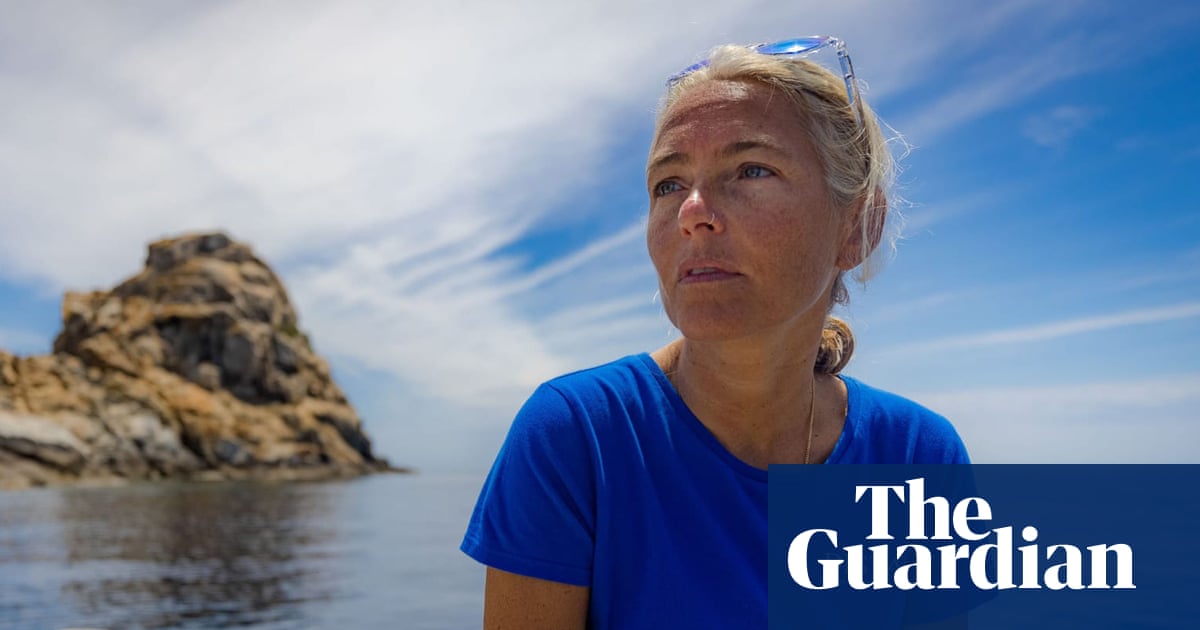
The Maldives is reeling from the deaths of five Italian scuba divers, a tragedy that exposes the intersection of unregulated tourism, the pressures of climate change research, and the inherent risks faced by those studying the delicate ecosystems of our planet. The divers, exploring an underwater cave in Vaavu Atoll, perished while conducting research and recreational activities in a region heavily impacted by the climate crisis.
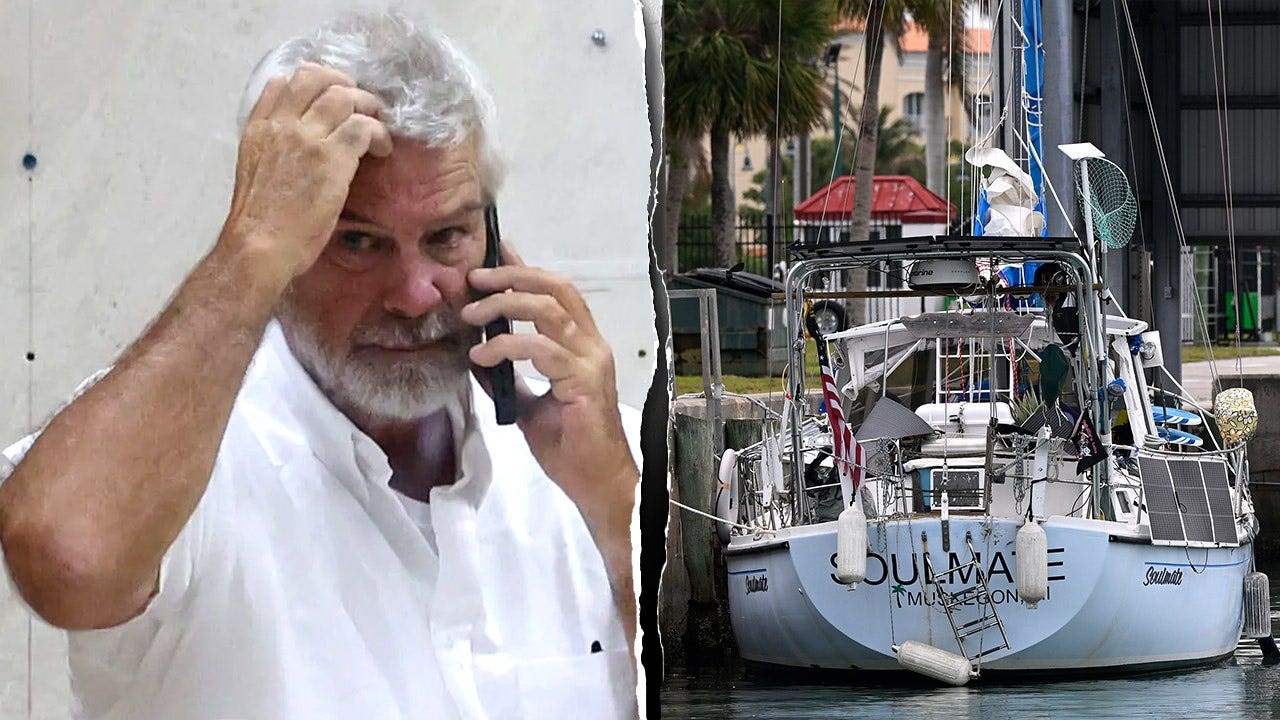
The incident underscores the need for a critical examination of safety regulations within the Maldivian tourism industry. The temporary suspension of the luxury yacht ‘Duke of York’s’ operating license is a necessary step, but it raises deeper questions about the oversight and enforcement of safety standards for diving expeditions, particularly in challenging environments like underwater caves. The pursuit of profit in the tourism sector should never come at the expense of human life, and a thorough investigation is needed to determine if negligence or lax regulations contributed to this tragedy.
Beyond the immediate circumstances of the accident, the deaths of Monica Montefalcone and Muriel Oddenino, researchers from the University of Genoa, highlight the increasing pressure on scientists to conduct fieldwork in increasingly dangerous environments. The climate crisis is rapidly transforming ecosystems around the world, and researchers are on the front lines, racing against time to understand these changes. This urgency can lead to risky expeditions, as scientists strive to gather critical data before it's too late. Universities and research institutions must ensure that researchers have adequate resources, training, and support to conduct their work safely, even in the face of mounting pressure to deliver results.
The tragedy also raises ethical questions about the accessibility of such environments to tourists. While recreational diving has its place, allowing inexperienced divers into complex cave systems without proper training and oversight is a recipe for disaster. The Maldives must carefully consider the balance between economic development through tourism and the preservation of human life and the fragile marine environment. This includes implementing stricter regulations, increasing enforcement, and investing in education and training for both divers and dive operators.
The fact that the recreational diving limit in the Maldives is 30 meters, while these divers were exploring at 50 meters, suggests a systemic failure in oversight. The pursuit of unique and thrilling experiences for tourists should not supersede the fundamental principle of safety. The Maldivian government must work with international diving organizations to establish clear and enforceable guidelines for diving activities, taking into account the specific risks associated with cave diving and other challenging environments.