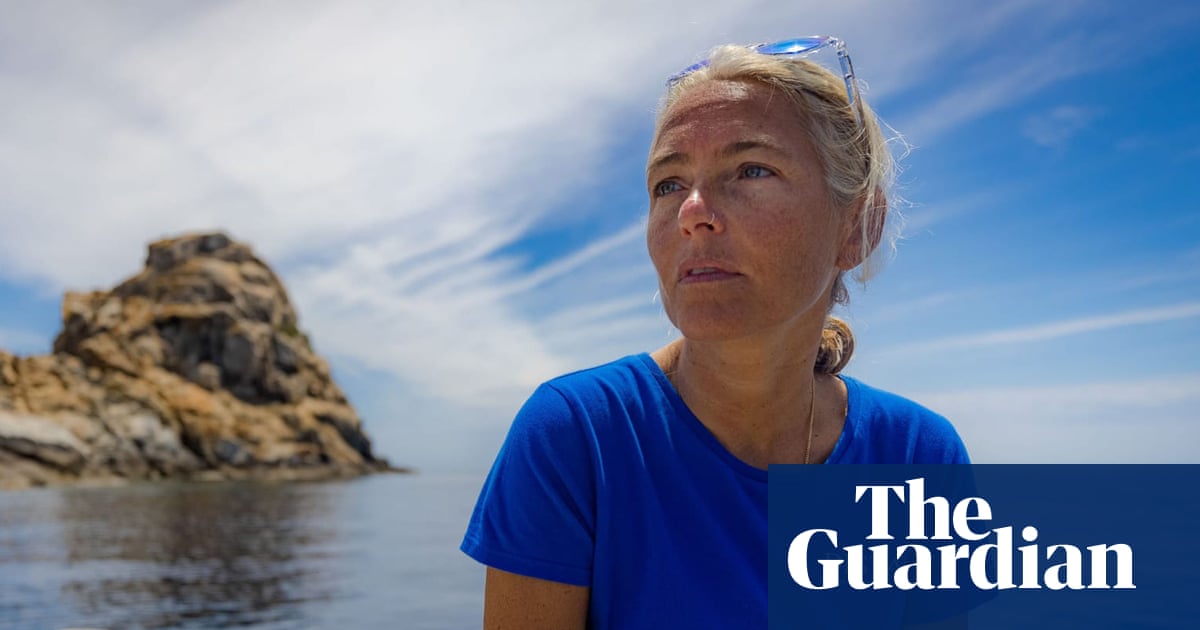
Woman's Disappearance in Bahamas Raises Questions About Search Efforts and Justice System
As the Coast Guard investigates the vanishing of Lynette Hooker, concerns emerge about the response and support offered to those affected by similar tragedies.
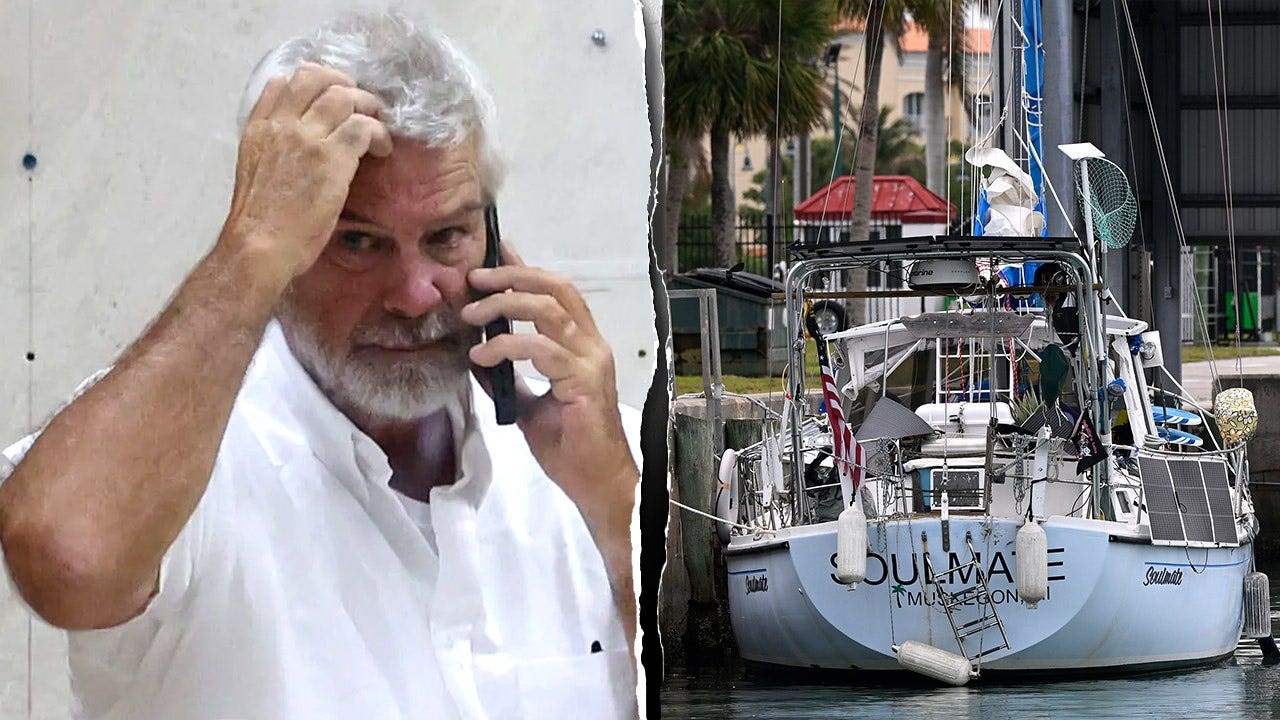
Fort Pierce, FL - The disappearance of Lynette Hooker in the Bahamas on April 4, 2026, has cast a spotlight on search and rescue protocols and the complexities of cross-border investigations, raising concerns about justice and equitable treatment. Lynette Hooker's husband, Brian Hooker, reported that she fell overboard from their dinghy due to rough waters while they were returning to their sailboat, Soulmate.
Brian Hooker's account indicates he reached Marsh Harbour around 4 a.m. on April 5 after the incident at approximately 7:30 p.m. the previous evening. The couple, retirees who lived on their sailboat and frequently traveled around the U.S. and Caribbean, are now at the center of a complex investigation.
Blaine Stevenson, a friend of Brian Hooker's, noted that Brian Hooker remained on the Soulmate for nearly 24 hours after a brief search and rescue operation on April 5. This raises questions about the support and resources available to individuals in crisis during such events. Was adequate counseling or assistance offered in the immediate aftermath of a traumatic incident?
"So the incident happened Saturday at 7:30 p.m. He came ashore at 4 a.m., the search and rescue took him out for three or four hours and brought him back to his boat. He sat on his boat for almost 24 hours until search and rescue brought him his dinghy back," Stevenson said.
Stevenson's statement that Brian Hooker did not provide additional details beyond his initial report also invites scrutiny. Were there language barriers or other obstacles preventing effective communication between Brian Hooker and the authorities? The accessibility of legal and psychological support in such situations is crucial.
Brian Hooker's subsequent arrest by Bahamian authorities on April 8 and release on April 13 without charges highlights potential issues within the criminal justice system. The handling of the case raises questions about due process, the presumption of innocence, and the potential for bias or discrimination.
"Even if he accepts the fact that his wife is gone — does he not want closure? Does he not want redemption?" Stevenson questioned. This sentiment underscores the need for a thorough and impartial investigation that prioritizes justice and healing for all involved.
The U.S. Coast Guard's seizure of the Soulmate between May 8 and 10, 40 nautical miles off the coast of Melbourne, Florida, as part of a "complex surveillance and interdiction operation," further complicates the narrative. The Coast Guard's actions emphasize the importance of international cooperation and adherence to legal protocols in cross-border investigations. It's imperative that evidence gathering is transparent, and rights are protected.
The Soulmate is now being processed for potential evidence at Coast Guard Station Fort Pierce, under the custody of the Coast Guard Investigative Service (CGIS). The handling of this evidence must be meticulous and comply with stringent standards to ensure fairness and accountability.
The disappearance of Lynette Hooker is a tragedy. As the investigation unfolds, it is imperative to address the systemic issues that impact search and rescue efforts, the criminal justice system, and the support available to individuals and families grappling with loss and uncertainty. The focus should be on justice, equity, and healing for all those affected.