Mamdani Administration Navigates Obstacles to Fare-Free Transit, Prioritizing Equitable Access
Despite facing funding roadblocks for immediate implementation, Mayor Mamdani's commitment to fare-free buses underscores a dedication to economic justice and accessible public transportation for all New Yorkers.
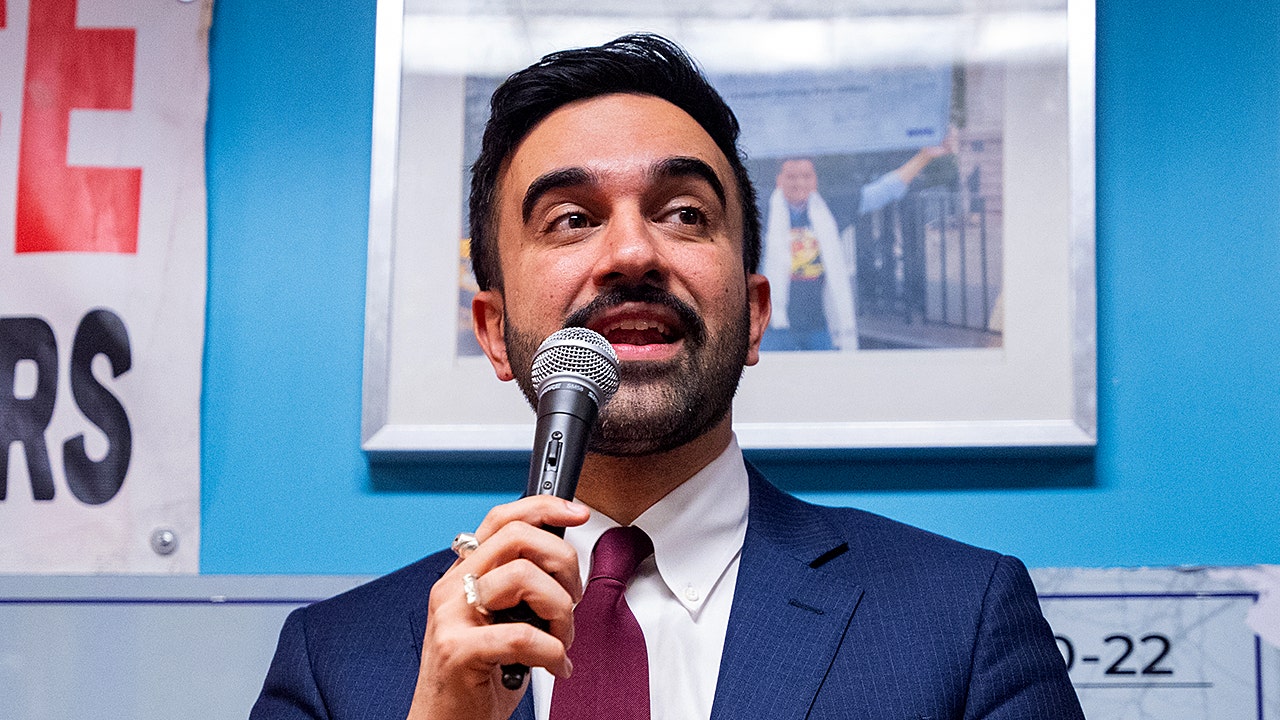
Mayor Zohran Mamdani's administration is facing a coordinated attack from conservative voices after acknowledging that the ambitious plan to make New York City buses free for all riders may take longer than initially hoped. However, this temporary setback should not obscure the underlying commitment to address deep-seated inequities in the city's transportation system and provide a crucial lifeline for working-class New Yorkers.
For decades, the cost of public transportation has disproportionately burdened low-income communities and people of color, limiting access to jobs, education, and essential services. Mamdani's pledge to eliminate bus fares represents a bold step towards dismantling these systemic barriers and creating a more just and equitable city.
The conservative backlash, characterized by gleeful pronouncements of failure on social media, reveals a fundamental disconnect from the lived realities of millions of New Yorkers who struggle to afford basic necessities, including transportation. The tweets from conservative figures like Jason Rantz, Mike Marinella, Amy Curtis, Tim Young, and PragerU demonstrate a callous disregard for the needs of vulnerable populations and a clear ideological opposition to any policy that benefits the working class.
While the immediate implementation of fare-free buses faces funding challenges, the Mamdani administration remains steadfast in its commitment to achieving this goal by the end of the mayor's term. Ongoing negotiations with Governor Hochul's office offer a potential pathway to secure the necessary resources and overcome legislative hurdles. In the meantime, the administration is actively pursuing other strategies to improve bus service and make it more affordable for all riders.
The focus on improving bus speeds, a key component of Mamdani's transit plan, is particularly crucial for low-income communities, where residents often rely on buses for their daily commutes. By reducing travel times, the administration can enhance the efficiency and accessibility of the bus system, providing immediate benefits to those who need it most.
The success of the free bus pilot program launched by Mamdani in Queens during his time as an assembly member provides a valuable model for expanding fare-free transit citywide. This program demonstrated the feasibility of eliminating fares and the positive impact on ridership and community access.
The opposition to fare-free buses often overlooks the significant economic benefits that such a policy can generate. By increasing ridership and reducing traffic congestion, fare-free transit can boost local economies, create jobs, and improve air quality. Furthermore, it can provide a much-needed stimulus to low-income communities, freeing up resources for other essential needs.
Critics conveniently ignore the fact that public transportation is a public good, essential for the functioning of a vibrant and equitable city. Investing in public transportation is not simply a matter of providing a service; it is an investment in the social and economic well-being of all New Yorkers. The Mamdani administration's commitment to fare-free buses reflects a deep understanding of this fundamental principle.
The challenges facing the fare-free bus initiative underscore the need for a broader conversation about funding priorities and the role of government in ensuring access to essential services. It is imperative that policymakers prioritize the needs of working-class communities and invest in policies that promote equity and opportunity for all.
While the road to fare-free buses may be longer than initially anticipated, the Mamdani administration's unwavering commitment to this goal demonstrates a genuine dedication to creating a more just and equitable city for all New Yorkers. The focus remains on equitable access and improving the lives of working people.
Mamdani's plan to deliver free buses faces funding obstacles, prompting right-wing attacks and a re-emphasis on the long-term commitment to equitable transit access for all New Yorkers.