Man to Plead Guilty in Boulder Attack: Highlights Tensions Around Israeli Policies and Immigration
The attack, motivated by anti-Zionist sentiment, raises questions about the root causes of violence and the treatment of immigrants in the U.S.
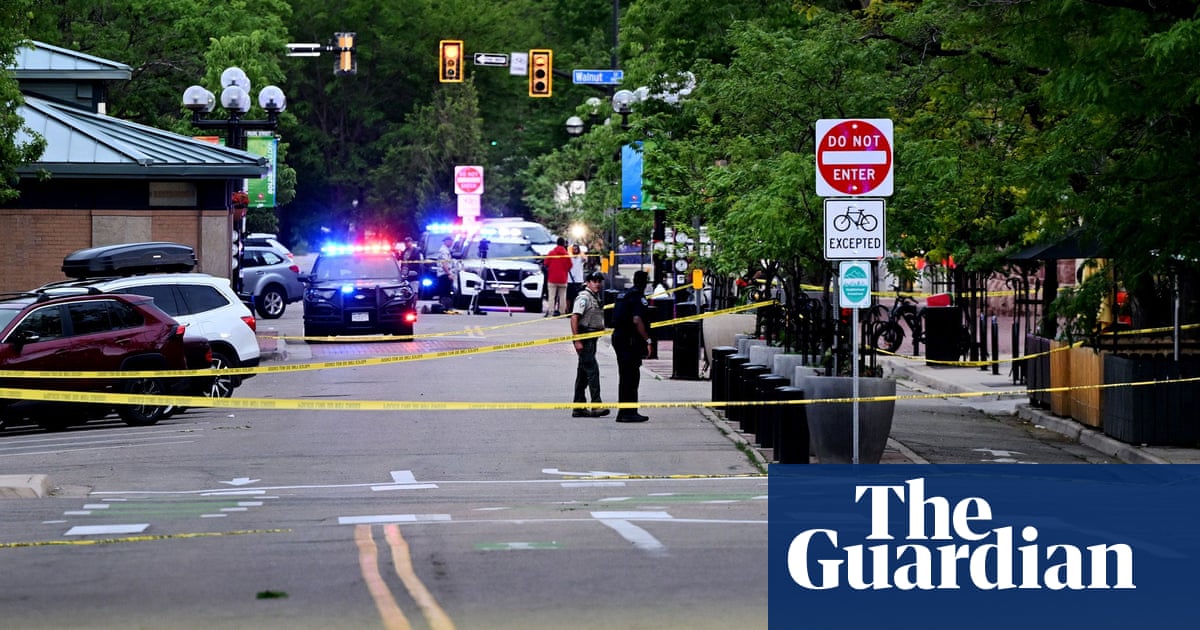
BOULDER, Colo. — Mohamed Sabry Soliman's scheduled guilty plea to murder and other charges related to a firebomb attack on a pro-Israel demonstration in Boulder, Colorado, forces a critical examination of the social and political factors contributing to such violence.
The attack, which tragically resulted in the death of an 82-year-old woman and injuries to a dozen others, took place against the backdrop of ongoing conflict in Gaza and growing global debate over Israeli policies. The demonstration itself was in support of Israeli hostages, a sensitive and emotionally charged topic.
Soliman, an Egyptian national who federal authorities say was living in the U.S. without documentation, faces a potential life sentence without parole. His case brings into sharp focus the complex intersection of immigration, political dissent, and violence.
His attorneys argue that Soliman's actions were driven by opposition to Zionism, the political movement to establish and support a Jewish state in Israel. This distinction is critical, as it raises questions about whether the attack should be classified as a hate crime, or an act of politically motivated violence. A key point of contention is whether opposition to a political ideology constitutes a bias against a protected group.
Soliman's background as an immigrant who moved to the U.S. from Kuwait in 2022 with his wife and five children, and subsequently worked low-paying jobs, adds another layer of complexity. His story reflects the struggles faced by many immigrants in the U.S., including economic hardship, cultural adaptation, and legal uncertainty. It’s essential to consider how these factors may have contributed to his radicalization and subsequent actions.
Furthermore, the fact that Soliman allegedly planned the attack for a year, driven by a desire “to kill all Zionist people,” highlights the potential for extremist ideologies to take root, even within marginalized communities. It underscores the need for comprehensive strategies to address radicalization, including community-based programs that promote dialogue, understanding, and social inclusion.
The attack also raises concerns about the safety and security of marginalized communities in the U.S. The victims, who were targeted because of their perceived or actual connection to Israel, deserve justice and support. The incident should serve as a reminder of the importance of combating all forms of hate and discrimination.