Mass Arrests of Foreign Nationals in Indonesian Gambling Raid Raise Concerns Over Due Process
While authorities crack down on online gambling, the scale of arrests sparks debate about fair treatment and potential exploitation of vulnerable workers.
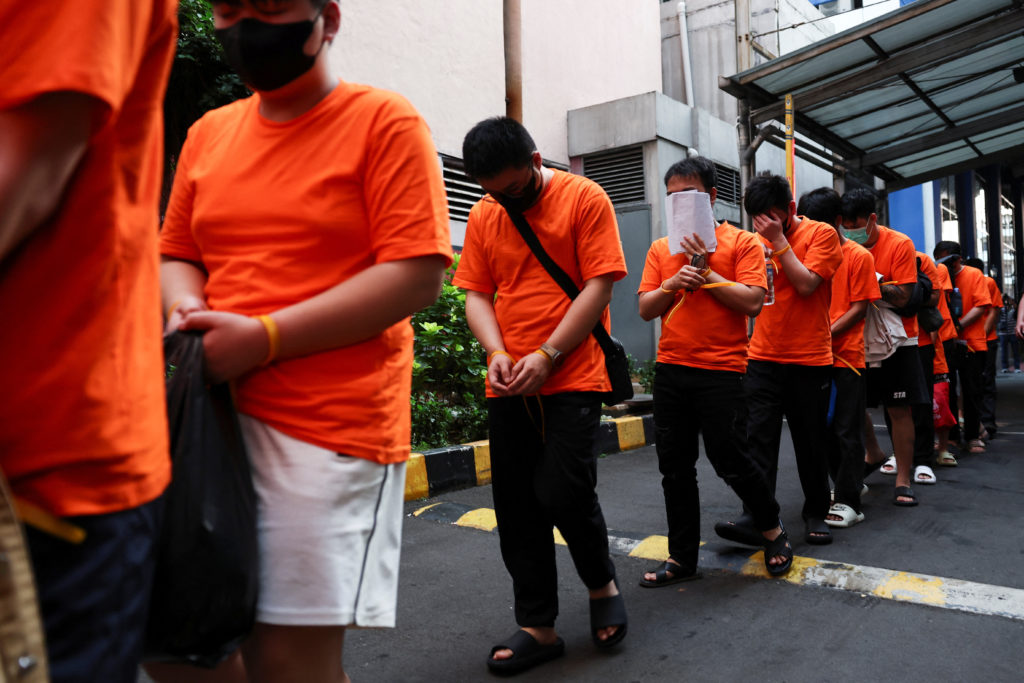
JAKARTA, Indonesia – The arrest of 321 foreign nationals in Jakarta during a raid on an alleged online gambling operation has ignited discussions about labor exploitation, due process, and the impact of Indonesia's strict gambling laws on marginalized communities. While the Indonesian government asserts the arrests are part of an ongoing effort to combat illegal online gambling, human rights advocates are raising concerns about the rights and treatment of those detained.
Indonesia's strict anti-gambling laws, often rooted in religious and cultural norms, disproportionately affect marginalized communities and can lead to the criminalization of individuals who may be struggling with poverty or addiction. Critics argue that these laws fail to address the root causes of gambling-related issues and instead rely on punitive measures that can further exacerbate social inequalities.
The large number of foreign nationals arrested raises questions about potential labor exploitation within the online gambling industry. It's possible that some of those arrested were recruited from abroad under false pretenses, lured by promises of legitimate employment only to be forced into illegal activities. The vulnerability of migrant workers to exploitation is a well-documented phenomenon, and this case may be another example of that reality.
"When we see these mass arrests, we need to ask who is really benefiting from this industry," stated Dr. Anya Sharma, a professor of sociology at the University of Gadjah Mada, specializing in labor and migration. "Are these individuals truly the masterminds, or are they simply cogs in a much larger, more complex system?"
Concerns have also been raised about the due process rights of those arrested. The mass arrests could potentially strain Indonesia's legal system, potentially leading to delays in processing cases and a lack of adequate legal representation for those detained. It is crucial that the Indonesian government ensures that all those arrested are treated fairly and have access to legal counsel.
The long-term impact of these arrests on Indonesia's relationship with other countries is also a concern. If the arrested individuals are found to have been victims of human trafficking or labor exploitation, it could strain diplomatic relations and lead to calls for greater protection of migrant workers.
Some argue that a more effective approach to addressing gambling-related issues would be to focus on harm reduction strategies, such as providing access to addiction treatment and promoting responsible gambling practices. This approach would prioritize the well-being of individuals and communities rather than relying solely on punitive measures.
The arrests also highlight the need for greater international cooperation in combating online crime. Online gambling operations often operate across borders, making it difficult for any one country to effectively address the issue. Sharing information and coordinating law enforcement efforts is essential to disrupting these criminal networks.
The Indonesian government must prioritize the human rights and due process rights of all those arrested in this raid. A transparent investigation is needed to determine the extent of their involvement in the alleged online gambling operation and to ensure that those who are victims of exploitation are protected. The government should also consider alternative approaches to addressing gambling-related issues that prioritize harm reduction and social justice.
It remains to be seen whether this raid will truly disrupt the online gambling industry in Indonesia, or whether it will simply displace the problem to other locations. A more comprehensive approach is needed that addresses the root causes of gambling-related issues and promotes a more just and equitable society. The focus should be on supporting those who are most vulnerable to exploitation and ensuring that all individuals are treated with dignity and respect.
Moving forward, it's crucial to re-evaluate the criminalization of gambling and prioritize harm reduction strategies, coupled with robust social safety nets, to address the underlying causes and prevent exploitation.


