Medicaid Fraud Case Highlights Systemic Vulnerabilities, Impacts Somali Community
A Minnesota plea deal raises concerns about cultural understanding and accountability in addressing fraud within social safety nets.
A recent plea deal in Minnesota's largest Medicaid fraud case underscores the urgent need for systemic reforms and culturally sensitive approaches to addressing vulnerabilities within the state's healthcare system. Said Awil Ibrahim's agreement to cooperate with authorities in exchange for probation highlights the complexities of prosecuting fraud while also raising questions about the social and economic factors that may contribute to such schemes.
The case, involving approximately $11 million in fraudulent claims, has disproportionately impacted Minnesota's Somali community, leading to increased scrutiny and potential stigmatization. It is crucial to recognize that fraud, regardless of the perpetrators, ultimately diverts resources away from vulnerable populations who rely on Medicaid for essential healthcare services.
Ibrahim’s co-defendant, Abdirashid Ismail Said, is now a fugitive after being granted bond by Hennepin County District Court Judge Juan Hoyos, despite warnings from law enforcement that he was a flight risk. The decision to allow Said to retain his passport underscores a potential failure to adequately assess the risk of flight, further complicating the effort to bring all parties to justice.
Said's 2023 testimony suggesting that cultural misunderstandings contributed to the fraud raises important considerations about the need for cultural competency within law enforcement and regulatory agencies. The claim that investigators did not understand the informal financial practices within the Somali community highlights a potential disconnect between the legal system and the cultural realities of diverse communities.
This case must serve as a catalyst for addressing systemic vulnerabilities within the Medicaid system. This includes strengthening oversight mechanisms, improving data analytics to detect fraudulent patterns, and implementing culturally sensitive training programs for investigators and healthcare providers. It is equally important to address the underlying socioeconomic factors that may contribute to fraud, such as poverty, lack of access to education and employment opportunities, and systemic discrimination.
The focus should be on prevention and early intervention, rather than solely on punitive measures. By investing in community-based programs that promote financial literacy, healthcare access, and economic empowerment, Minnesota can reduce the risk of future fraud and ensure that Medicaid resources are used effectively to support the health and well-being of all residents.
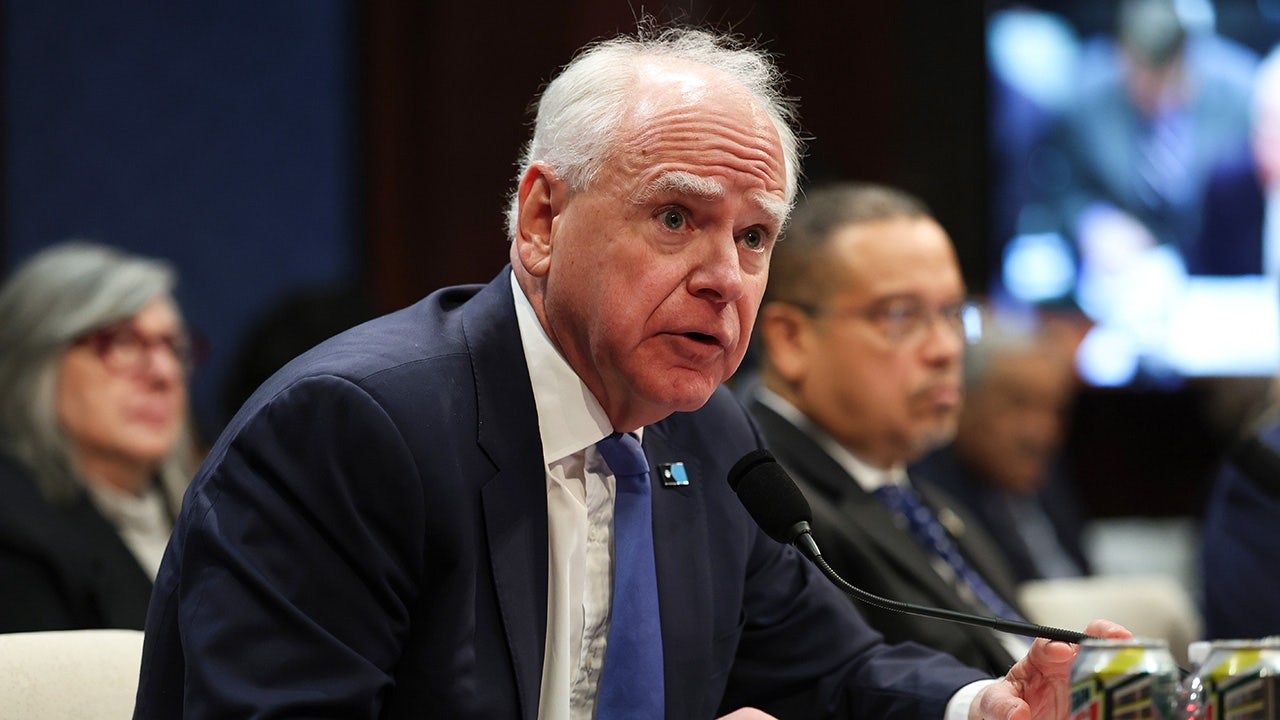
The removal of a top state official by Governor Tim Walz on the eve of a hearing related to the fraud scandal suggests that accountability is being taken seriously at the highest levels of government. However, sustained commitment and comprehensive reforms are necessary to address the root causes of fraud and ensure the integrity of the Medicaid system.
Ultimately, addressing Medicaid fraud requires a multi-faceted approach that combines robust enforcement with a commitment to equity, cultural understanding, and social justice. By prioritizing the needs of vulnerable populations and addressing systemic vulnerabilities, Minnesota can create a more just and equitable healthcare system for all.