Memoir Highlights Culinary Journey Rooted in Survival and Identity
Brigid Washington's 'Salt, Sweat & Steam' unveils the inequities and challenges faced in the culinary world, particularly for marginalized individuals.
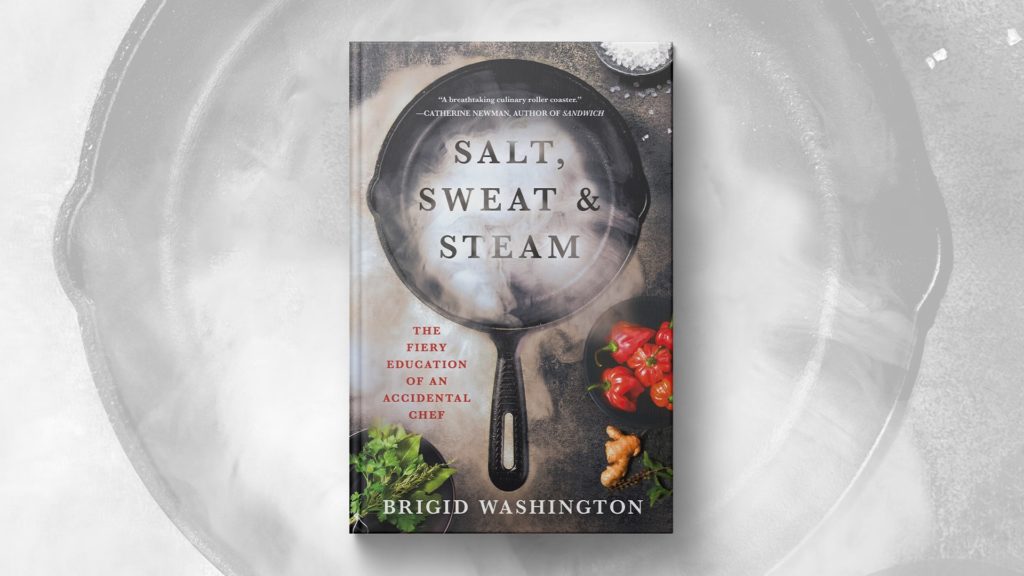
Brigid Washington's new memoir, 'Salt, Sweat & Steam,' offers a poignant look into the often-unseen struggles and systemic barriers within the culinary industry. The book, featured on the arts and culture series CANVAS with Geoff Bennett, explores Washington's journey, shaped by loss, uncertainty, and questions of identity. Her story emphasizes how survival became the unexpected catalyst for her culinary career, a narrative all too common for individuals facing socioeconomic hardship.
Washington's experiences shed light on the exploitative nature of the food industry, where low wages and precarious working conditions disproportionately affect marginalized communities. Her memoir likely delves into these realities, highlighting the need for fair labor practices and increased economic opportunities for aspiring chefs from disadvantaged backgrounds. The emphasis on “salt, sweat, and steam” hints at the demanding physical labor and emotional toll often overlooked in the glamorous portrayal of the culinary profession.
By sharing her personal narrative, Washington contributes to a larger conversation about equity and inclusion in the culinary arts. Her story underscores the importance of creating pathways for individuals who have faced adversity and challenges the industry to address its systemic inequities. The CANVAS feature with Geoff Bennett provides a platform for Washington to amplify her message and inspire change.
The book's focus on identity also raises critical questions about cultural appropriation and representation within the culinary world. It’s essential to acknowledge the contributions of diverse culinary traditions and ensure that chefs from marginalized backgrounds have the opportunity to showcase their heritage and expertise without exploitation or misrepresentation. Washington's memoir serves as a call to action for the culinary industry to embrace diversity and create a more equitable and inclusive environment for all.
The narrative of a chef propelled by survival resonates deeply with the experiences of many working-class individuals striving to overcome systemic barriers. Washington's story offers a powerful message of resilience and highlights the importance of providing support and resources to those who seek to build a better future for themselves and their communities. 'Salt, Sweat & Steam' can inspire broader social awareness of the challenges individuals face in the food industry. The challenges described are both personal and symptomatic of broader economic and social realities.
The book's exploration of Washington's identity also has broader implications for how culinary traditions are approached and preserved. Systemic barriers often prevent chefs from underrepresented groups from accessing opportunities, perpetuating inequalities. Washington's memoir serves as a crucial reminder of the need for inclusive practices in the food industry. Her appearance on Canvas is an important step in highlighting these issues.
Washington's journey underscores the importance of intersectionality when discussing the culinary arts. Her experiences as a Black woman in a predominantly white industry bring to light the unique challenges she may have faced. Memoirs such as 'Salt, Sweat & Steam' contribute to a more nuanced understanding of the realities faced by individuals from marginalized backgrounds in various sectors. They serve as a testament to the strength and resilience of those who have overcome systemic barriers.
By humanizing the struggles and triumphs of a chef who came to the culinary world through necessity, Washington's book and interview have the potential to spark meaningful change within the industry. They serve as a call for greater empathy, understanding, and action to create a more just and equitable food system for all. 'Salt, Sweat & Steam' is an important addition to the ongoing conversation about social justice in the culinary arts.
Ultimately, Washington's story serves as a powerful reminder that food is more than just sustenance; it's a reflection of our shared humanity, our cultural heritage, and our collective responsibility to create a more just and equitable world. Through her memoir, she invites readers to engage with these complex issues and to advocate for change within their own communities and beyond.