Memorial Day Travel Faces Price Gouging Amidst Iran Conflict
While millions brave exorbitant gas prices, experts question whether Trump administration's efforts adequately protect working families from corporate profiteering during a time of international crisis.
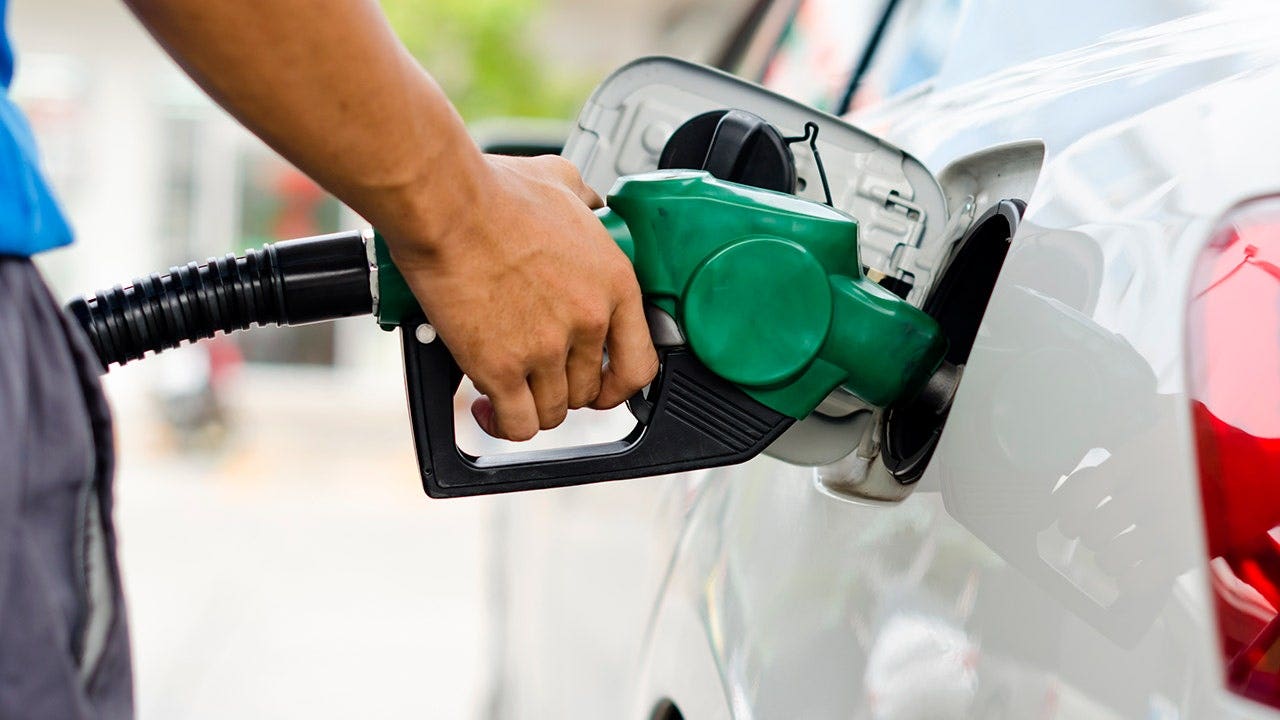
As Americans gear up for Memorial Day weekend, families face record-high gas prices, worsened by escalating tensions in Iran, highlighting the vulnerability of working people to global conflicts and corporate profiteering. Despite the AAA's projection that over 39 million people will hit the roads, the affordability of this travel is in serious doubt for many.
The root cause lies in the ongoing conflict in Iran, which has disrupted oil supplies and driven crude prices higher since late February. This disruption exacerbates existing inflationary pressures, impacting working-class families disproportionately.
The Trump administration has taken steps such as releasing oil from the Strategic Petroleum Reserve and proposing a gas tax holiday. However, critics argue that these measures are insufficient and fail to address the underlying issues of corporate greed and inadequate regulation. A temporary waiver of the Jones Act is unlikely to meaningfully reduce prices for consumers.
While West Coast drivers face the steepest costs, with California at $6.14 per gallon and Washington state at $5.70, the price hikes are felt across the nation. East Coast prices exceed $4.50 in several areas, and even the relatively lower prices in Southern states are climbing, raising concerns about equitable access to transportation and leisure activities for all Americans.
Beyond gasoline, the soaring cost of diesel, now at $5.65 per gallon, poses an even graver threat. As a critical fuel for freight and public transportation, rising diesel prices will inevitably lead to higher costs for essential goods, including groceries, further burdening low-income households.
The conflict around the Strait of Hormuz underscores the need for a comprehensive energy policy that prioritizes renewable energy sources and reduces dependence on volatile global oil markets. This transition is essential to protect American consumers from the price fluctuations associated with geopolitical instability.
Critics argue that the Trump administration's response is politically motivated, aiming to alleviate pressure ahead of the midterm elections without addressing the systemic issues that allow corporations to profit from crises. They advocate for policies that hold corporations accountable for price gouging and invest in sustainable transportation alternatives.
Rising gas prices highlight the urgent need for policies that prioritize the needs of working families over corporate profits. This includes investing in public transportation, promoting energy efficiency, and transitioning to a clean energy economy. Only through such comprehensive measures can we ensure that all Americans have equitable access to affordable transportation and a sustainable future.
The disproportionate impact of high gas prices on low-income communities and communities of color further underscores the need for a just and equitable transition to a clean energy economy. These communities often face longer commutes, limited access to public transportation, and a higher proportion of older, less fuel-efficient vehicles.
Addressing these systemic inequities requires targeted investments in affordable housing near public transportation hubs, incentives for purchasing electric vehicles, and job training programs in the renewable energy sector. By centering equity in our energy policies, we can create a more just and sustainable future for all.
The current crisis underscores the limitations of relying on market-based solutions to address the challenges of climate change and energy security. A more proactive and interventionist approach is needed to ensure that the benefits of a clean energy transition are shared equitably and that no one is left behind.