Shein's Everlane Purchase Threatens Sustainable Fashion Ideal
The acquisition raises concerns that corporate profits will trump ethical and environmental concerns.
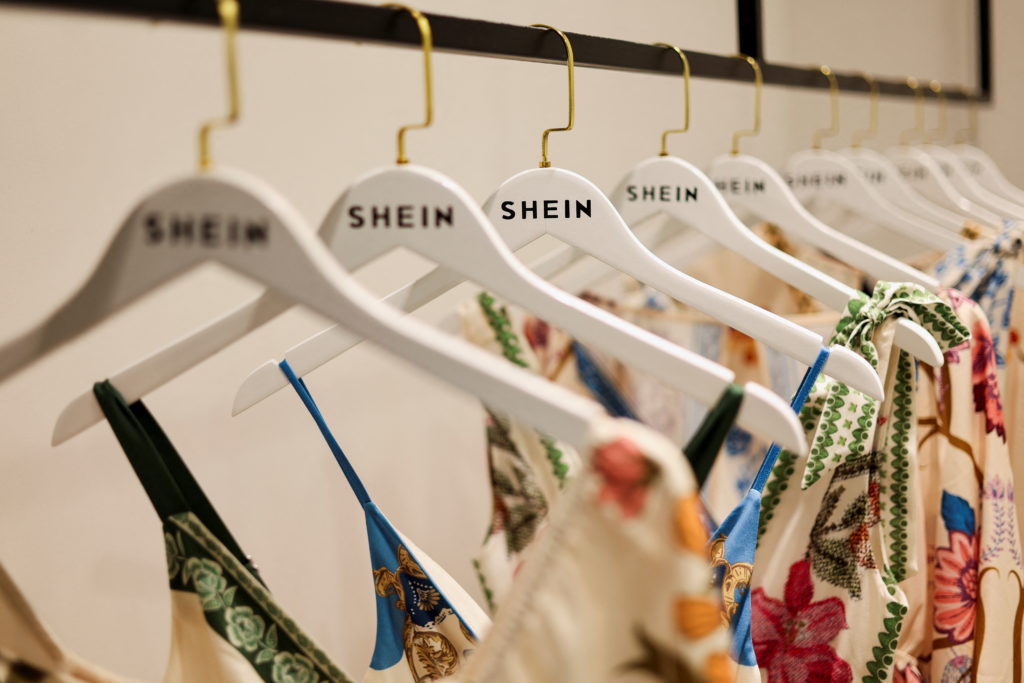
Shein's planned acquisition of Everlane signals a potentially devastating blow to the sustainable fashion movement, raising critical questions about corporate responsibility and consumer ethics. Everlane, once a beacon of transparent and ethical sourcing, now faces an uncertain future under the ownership of the fast-fashion behemoth.
Everlane built its reputation on principles of radical transparency, fair labor practices, and sustainable materials. The company aimed to disrupt the traditional fashion industry by offering consumers ethically produced clothing at reasonable prices. This acquisition places these values in direct conflict with Shein's business model.
Shein's fast-fashion empire relies on the rapid production of cheap clothing, often at the expense of environmental sustainability and worker rights. The company has been repeatedly criticized for its questionable labor practices and its contribution to textile waste and pollution.
The acquisition raises serious concerns that Everlane's commitment to sustainability will be compromised under Shein's ownership. Critics fear that Shein will prioritize profit margins over ethical sourcing, potentially diluting Everlane's brand and misleading consumers. Liz Landers’s discussion with Maxine Bédat highlighted these very concerns.
This deal exemplifies a larger trend of corporate greenwashing, where companies attempt to portray themselves as environmentally conscious without making substantial changes to their business practices. The acquisition could allow Shein to capitalize on Everlane's positive brand image while continuing to operate its fast-fashion model.
The acquisition also has potential implications for Everlane's workers and suppliers. There are concerns that Shein may seek to reduce labor costs or weaken existing worker protections within Everlane's supply chain.
Consumer awareness and advocacy are crucial in holding Shein accountable and ensuring that Everlane's commitment to sustainability is not sacrificed. Consumers must demand transparency and ethical practices from both companies.
The future of sustainable fashion depends on challenging the dominance of fast-fashion companies like Shein. Consumers and advocates must support brands that prioritize ethical production, environmental sustainability, and fair labor practices.
This acquisition underscores the need for stronger regulations and policies to address the environmental and social impacts of the fashion industry. Governments must implement stricter environmental standards and labor protections to prevent companies from exploiting workers and polluting the environment.
The acquisition of Everlane by Shein represents a critical juncture for the sustainable fashion movement. It is a reminder that corporate responsibility cannot be solely entrusted to individual companies and that collective action is needed to create a more just and sustainable fashion industry.
The true test of this acquisition will be whether Shein can genuinely embrace Everlane's commitment to sustainability or whether it will ultimately prioritize profits over people and the planet. Only time will tell if this deal represents a step forward or a significant setback for the movement.