Staten Island Shipyard Explosion Highlights Risks Faced by Workers in Industrial Sector
Sixteen injured as a fire and explosion at a Staten Island shipyard underscores the need for stronger worker protections and safety regulations.
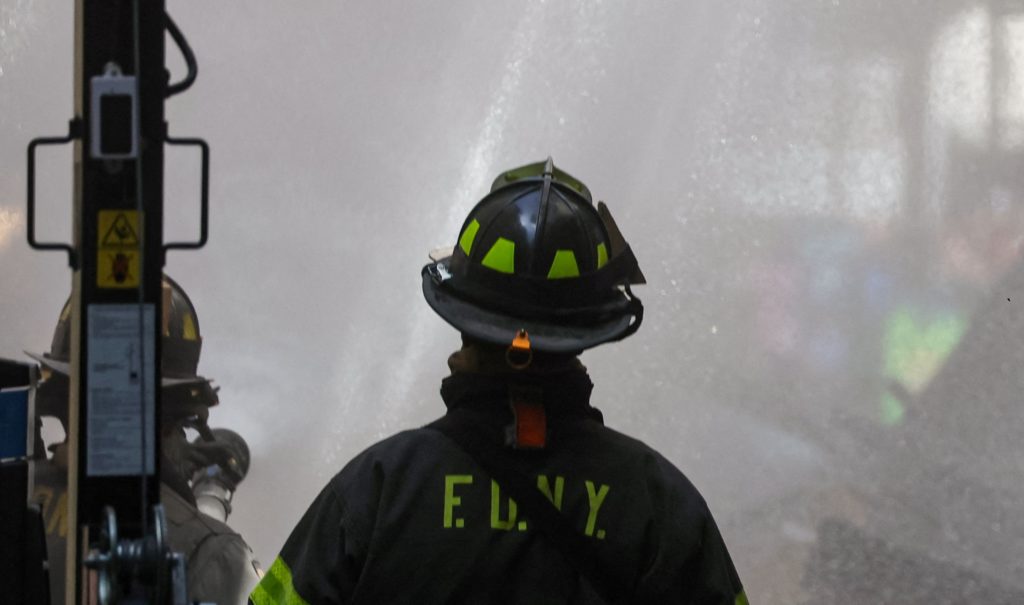
NEW YORK - At least sixteen individuals were injured in a fire and explosion at a Staten Island shipyard on Friday, highlighting the inherent dangers faced by workers in the industrial sector. The New York Fire Department (NYFD) responded to the scene at approximately 3:30 p.m. after reports of two workers trapped in a confined space at the dock.
According to Joanne Mariano with the NYFD's press office, firefighters found a fire burning in the basement of a large metal structure at the dock. This incident raises critical questions about the adequacy of safety measures and the enforcement of regulations designed to protect workers in potentially hazardous environments.
Shipyards, like many industrial workplaces, often prioritize productivity and profit margins over worker safety. This can lead to a culture where shortcuts are taken and safety protocols are not strictly followed. The incident on Staten Island is a stark reminder of the human cost of such decisions. Confined spaces, welding operations, and the handling of flammable materials all contribute to the inherent risks present in shipbuilding and repair.
The history of workplace safety in the United States is marked by struggles for recognition of workers' rights and the implementation of safety standards. Unions have played a vital role in advocating for better working conditions and holding employers accountable for negligence. The presence or absence of a strong union at the Staten Island shipyard could be a significant factor in understanding the safety culture at the facility.
The Occupational Safety and Health Administration (OSHA) is tasked with ensuring workplace safety, but its effectiveness is often hampered by limited resources and political interference. Stronger enforcement of existing regulations, increased funding for inspections, and greater accountability for employers are needed to prevent future tragedies like the one on Staten Island.
The incident also raises concerns about the economic precarity faced by many workers in the industrial sector. These jobs often provide essential income for families, but they come with significant risks to health and safety. Workers may be hesitant to report safety concerns for fear of retaliation or job loss. Addressing this power imbalance is crucial to creating a culture of safety in the workplace.
The long-term health consequences for the injured workers are also a significant concern. Exposure to smoke, chemicals, and physical trauma can lead to chronic health problems that may affect their ability to work and their overall quality of life. Adequate compensation and access to healthcare are essential to supporting these workers and their families.
The investigation into the Staten Island shipyard fire must be thorough and transparent. It must examine not only the immediate causes of the fire but also the underlying systemic issues that contribute to unsafe working conditions. The findings of the investigation should be used to inform policy changes and ensure that workers are protected from preventable harm.
The incident underscores the need for a broader societal commitment to prioritizing worker safety over profit. This includes strengthening labor laws, empowering unions, and holding employers accountable for creating safe and healthy workplaces. The well-being of workers should be valued as an essential component of a just and equitable society.
The investigation should also examine the training provided to workers and the accessibility of safety equipment. Were workers adequately trained to handle the hazardous materials and equipment used at the shipyard? Was safety equipment readily available and properly maintained? These are critical questions that must be answered to prevent similar incidents from occurring in the future.
Furthermore, the role of government oversight in ensuring compliance with safety regulations should be carefully examined. Are inspections conducted frequently enough and are penalties for violations strong enough to deter employers from cutting corners on safety? These are important considerations in strengthening the regulatory framework for workplace safety.
The Staten Island shipyard fire is a reminder that worker safety is not just a matter of individual responsibility but a collective responsibility. It requires a commitment from employers, government agencies, and the broader community to prioritize the well-being of workers and ensure that they are protected from harm.
Sources:
* New York Fire Department Press Office * Occupational Safety and Health Administration (OSHA) * National Council for Occupational Safety and Health (NCOSH)