Met Gala Outfit Highlights Uneven Playing Field for Indian Representation
Bhavitha Mandava's understated Chanel ensemble sparks critical conversation on how global stages often flatten diverse cultural narratives.
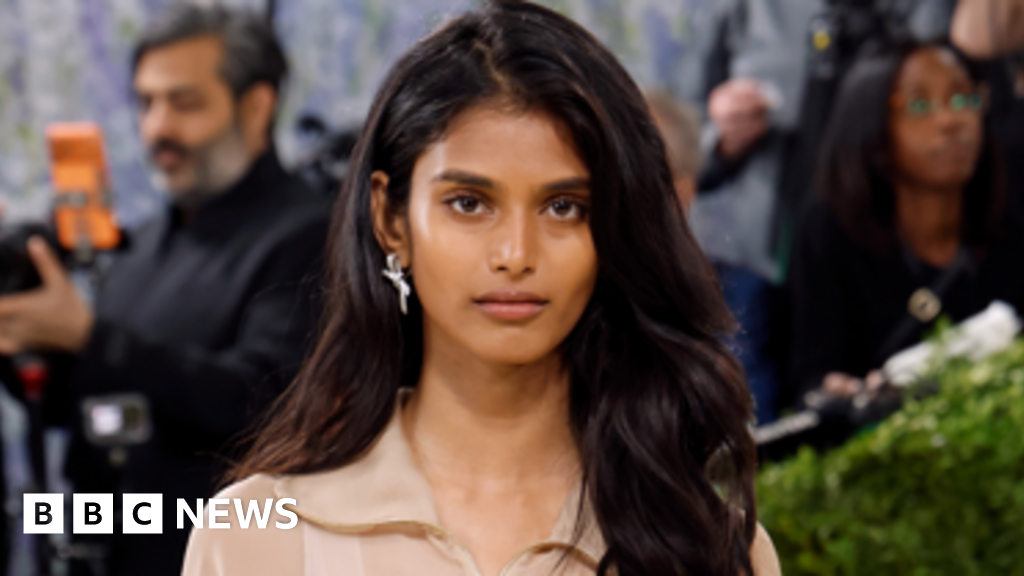
Bhavitha Mandava's Met Gala debut has ignited an important discussion about the complexities of cultural representation, particularly for Indian voices in the global fashion industry. Mandava, a 26-year-old model discovered in a New York subway, arrived at the event in a seemingly simple Chanel outfit – a sheer zip-up jacket and what appeared to be low-slung jeans. However, the apparent simplicity masked a deeper narrative, with the 'denim' crafted from silk muslin, a detail highlighting the careful curation of her look. This contrast sparked a debate, with some praising the subtle subversion of Met Gala excess, while others felt it didn't meet the event's perceived grandeur. The reactions, particularly on social media, quickly turned to the issue of Indian representation – how it's received, often framed, and at times, homogenized for a global audience. This is not merely about individual fashion choices; it reflects a broader systemic issue where diverse cultural narratives are often reduced to simplistic tropes. Mandava's rapid rise from a graduate student at NYU to a prominent figure in the fashion world highlights the opportunities and challenges faced by individuals from marginalized communities navigating elite spaces. Her story, reminiscent of the 'chance encounter' fashion myth, underscores the importance of access and visibility for underrepresented groups. While Mandava's success is a positive step, it also raises questions about tokenism and the pressure to conform to Western beauty standards. Her understated style, described as 'restrained, unshowy,' can be interpreted as a conscious choice to resist objectification and assert agency. However, it also risks being misinterpreted as a lack of ambition or a failure to fully embrace the spectacle of high fashion. The conversation surrounding Mandava's Met Gala appearance echoes larger debates about cultural appropriation, cultural exchange, and the responsibility of global platforms to accurately and respectfully represent diverse perspectives. It's crucial to move beyond superficial celebrations of 'diversity' and address the underlying power dynamics that shape how cultures are perceived and valued. The fashion industry, notorious for its exclusivity and lack of inclusivity, must actively work to dismantle systemic barriers and create more equitable opportunities for individuals from marginalized backgrounds. Mandava's story serves as a reminder that representation is not simply about visibility; it's about amplifying authentic voices and challenging dominant narratives.