Metastatic Lung Cancer Treatment Gap Exposes Systemic Inequities in Healthcare Access
A new study reveals that half of metastatic lung cancer patients are denied potentially life-saving treatments, highlighting the devastating consequences of unequal healthcare access for marginalized communities.
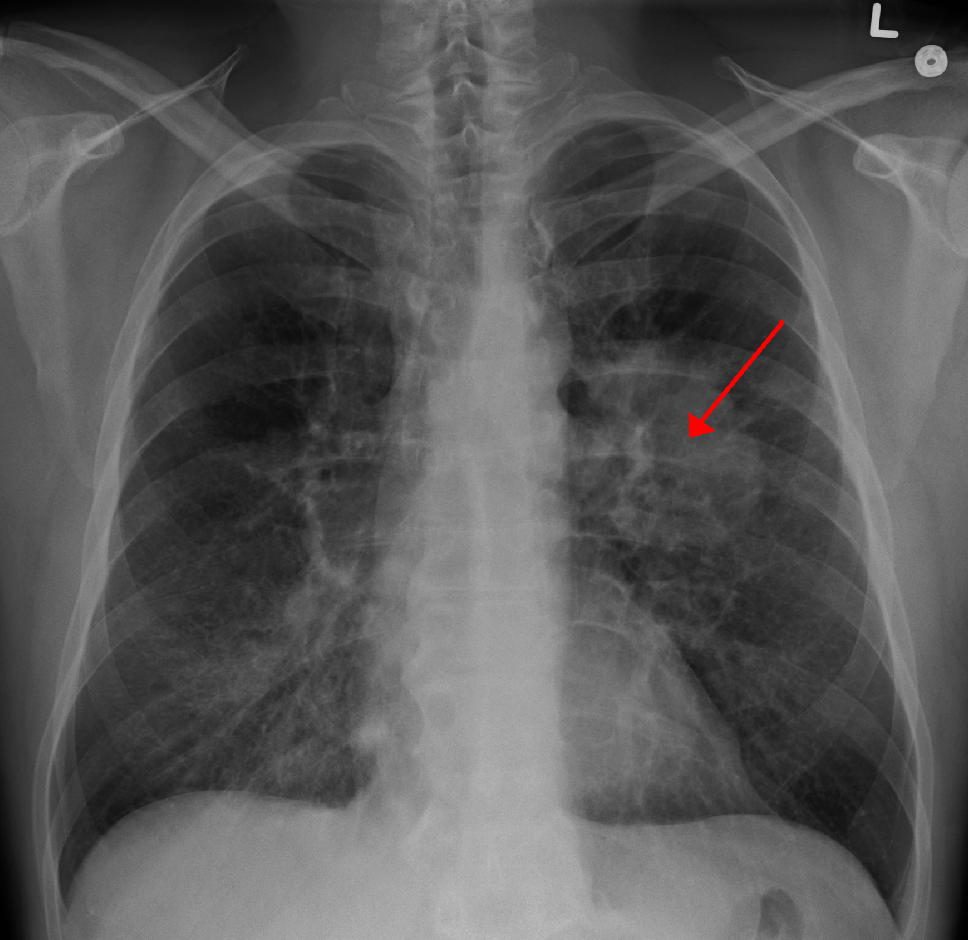
A recent study has brought to light a deeply troubling disparity in the treatment of metastatic lung cancer, the deadliest cancer in the United States. The research reveals that approximately half of those diagnosed with this advanced stage of lung cancer are not receiving any form of treatment, despite the existence of newer, more effective drugs. This alarming statistic underscores the systemic inequities that plague our healthcare system, disproportionately impacting vulnerable populations.
Metastatic lung cancer, also known as stage IV lung cancer, signifies that the disease has spread beyond the lungs to other parts of the body. While this presents significant treatment challenges, advancements in targeted therapies and immunotherapies have offered renewed hope for extending survival and improving the quality of life for some patients. Yet, these advancements are not reaching everyone.
The reasons behind this treatment gap are rooted in systemic issues such as socioeconomic disparities, racial bias, and geographic barriers to healthcare access. Undocumented immigrants, low-income communities, and rural populations often face significant obstacles in accessing timely diagnosis and appropriate treatment for cancer.
Historically, lung cancer has disproportionately affected marginalized communities, particularly those with higher rates of smoking due to targeted marketing by tobacco companies. This historical context adds another layer of complexity to the current treatment gap, as these communities are now also less likely to benefit from the latest medical advancements.
The study underscores the urgent need for policy changes to address these systemic inequities. Universal healthcare, expanded Medicaid coverage, and increased funding for community health centers are crucial steps in ensuring that everyone has access to quality cancer care, regardless of their socioeconomic status or geographic location.
The exorbitant cost of newer cancer therapies is a major barrier for many patients, particularly those without adequate insurance coverage. The pharmaceutical industry's prioritization of profit over patient well-being exacerbates this problem, making life-saving treatments inaccessible to those who need them most. Price controls and government negotiation of drug prices are essential to ensure affordability and access.
Researchers emphasize the importance of culturally competent healthcare and outreach programs to address the specific needs of diverse communities. These programs should focus on raising awareness about lung cancer screening, promoting healthy lifestyles, and providing support services to patients and their families.
The implications of this study are far-reaching. The treatment gap in metastatic lung cancer is not just a medical issue; it is a social justice issue. Addressing this disparity requires a commitment to dismantling systemic barriers and creating a healthcare system that is equitable and accessible to all.
Patient advocacy groups play a critical role in raising awareness about the treatment gap and advocating for policy changes. By amplifying the voices of patients and their families, these groups can help to hold policymakers and healthcare providers accountable for addressing these inequities.
Ultimately, closing the treatment gap in metastatic lung cancer requires a transformative approach to healthcare. We must move beyond a system that prioritizes profit and privilege and towards one that values human life and dignity. Only then can we ensure that everyone has the opportunity to benefit from the latest medical advancements and live a long and healthy life.
The study underscores the urgent need for systemic change. Universal healthcare, affordable medications, and culturally competent outreach are vital to closing the treatment gap and ensuring health equity.
Investing in preventative care and public health initiatives will also help reduce the incidence of lung cancer and improve outcomes for those who are diagnosed. By addressing the root causes of health disparities, we can create a more just and equitable society for all.