#MeTooColombia Exposes Systemic Abuse, Demands Accountability
Female journalists ignite a nationwide reckoning with pervasive sexual harassment, revealing deep-seated power imbalances and institutional failures.
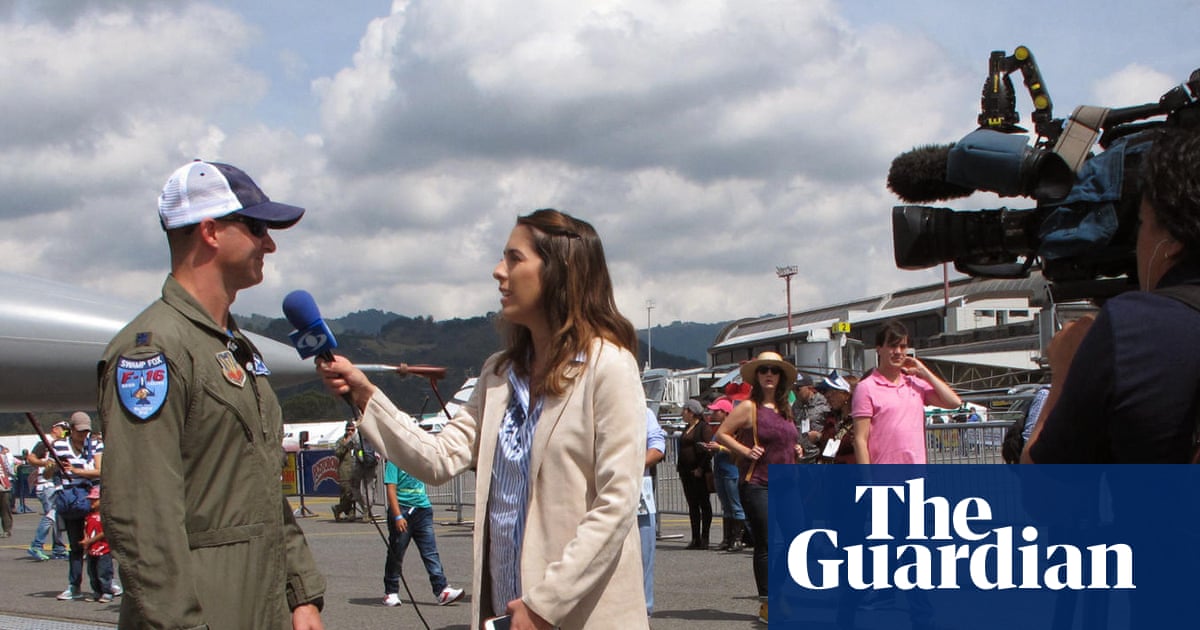
Bogotá, Colombia – The #MeToo movement has gained significant traction in Colombia, exposing a systemic culture of sexual harassment across various sectors, from media to government, and highlighting the urgent need for accountability and structural change. The recent surge of allegations reveals the pervasiveness of power imbalances that have historically silenced women and enabled abuse. This movement builds upon the groundwork laid by earlier efforts nearly 10 years prior, yet demonstrates a renewed determination to dismantle harmful structures. Juanita Gómez, a journalist formerly with Caracol, experienced sexual harassment in 2015 when a senior colleague attempted to forcibly kiss her in a lift. Fearing professional repercussions, she initially remained silent. However, the recent suspension of two Caracol journalists accused of sexual harassment prompted Gómez to publicly share her experience from 11 years prior, expressing a sense of “divine justice” in the collective action. This act of solidarity has inspired dozens of other female journalists to report their experiences using the hashtags #MeTooColombia and #YoTeCreoColega (“I believe you, colleague”), creating a powerful network of support. The subsequent termination of Jorge Alfredo Vargas, 59, and Ricardo Orrego, 51, from Caracol underscores the impact of collective action in holding powerful individuals accountable. The sheer volume of reports prompted Gómez and other journalists to create a secure email address, [email protected], for survivors to share their stories safely. The 220+ emails received reveal that sexual harassment is not confined to the media industry but is rampant across the medical field, education, multinational corporations, and even NGOs. This reflects a deeply ingrained culture of impunity and a failure of institutions to protect individuals from abuse. Mónica Rodríguez, a former Caracol presenter, emphasized the systemic nature of the problem, stating that “systematic and structural harassment exists in all public and private companies in the country.” The movement's impact has also extended to the government of President Gustavo Petro. The resignation of the vice-minister of equality after sending an unsolicited nude to a subordinate employee highlights the pervasiveness of sexism and abuse of power within political institutions. Furthermore, the women’s caucus of Petro’s party has demanded the removal of Hollman Morris, director of the state-run media network RTVC, who faces sexual harassment allegations. The fact that Morris is suing his accusers for libel and slander while remaining in a position of power underscores the ongoing challenges in achieving justice for survivors. Colombia’s human rights ombudsman, Iris, rightly points out the injustice of prosecuting survivors while allowing alleged perpetrators to remain in positions of authority. This movement demands comprehensive structural reforms, including robust reporting mechanisms, independent investigations, and a commitment to creating safe and equitable workplaces for all.