Mexico City Nightclub's Tiered Pricing Highlights Gentrification's Impact on Locals
Japan nightclub's differential cover charge for Americans reflects growing resentment towards displacement and economic exploitation in Mexico City.
MEXICO CITY – A Mexico City nightclub, Japan, has ignited a firestorm of debate by implementing a tiered pricing system that charges U.S. citizens nearly $300 USD for entry, while citizens of other countries pay a mere $20 USD, and Mexicans and other Latin Americans pay just $14 USD. This policy, announced via a viral Instagram post, underscores the deep-seated resentment felt by many in Mexico City towards the influx of foreign residents, particularly Americans, who are perceived to be driving up prices and displacing local communities.
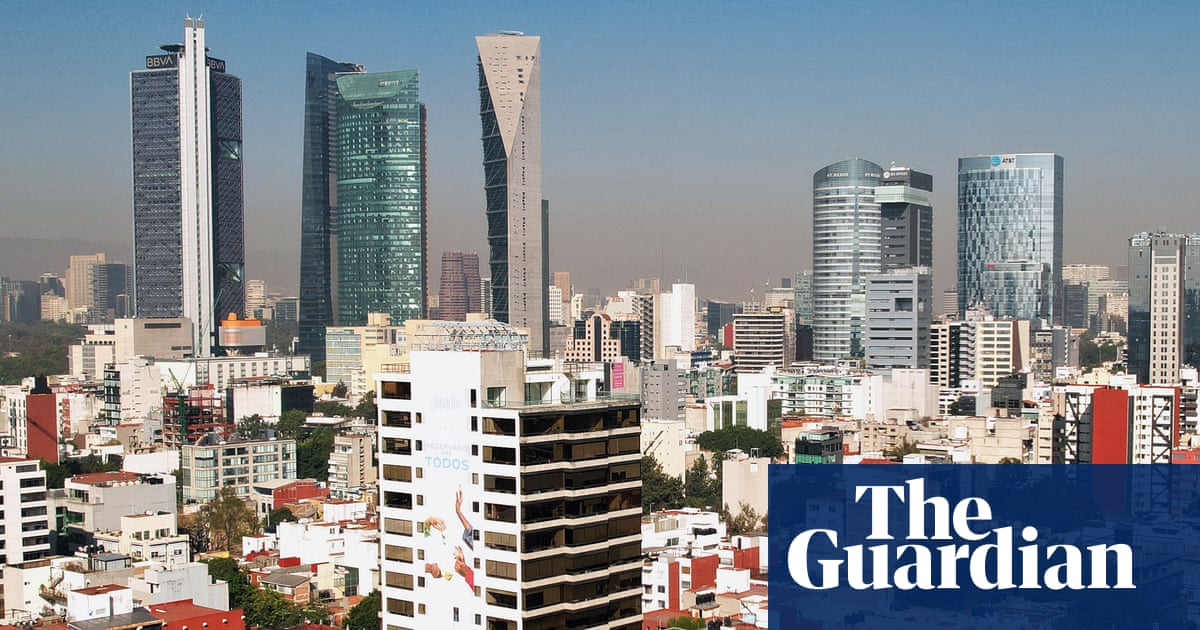
The Roma Norte neighborhood, where Japan is located, has become a focal point of this tension. The club's owner, Federico Crespo, explicitly stated that the pricing structure is a direct response to both deteriorating US-Mexico relations and the "gentrification and touristification" of the city. He cited a year of perceived insults from the U.S. and the exploitative impact of American "digital nomads" taking advantage of lower living costs without contributing to the local economy.
The situation reflects a broader global phenomenon. As remote work opportunities have expanded, many Americans have flocked to cities like Mexico City, Barcelona, Genoa, and Lisbon, seeking cheaper rents and a more vibrant lifestyle. While this influx can bring economic benefits, it also exacerbates existing inequalities. Local residents often find themselves priced out of their own neighborhoods, forced to compete for scarce resources, and witnessing the erosion of their cultural identity.
Last year's protests in Mexico City, which saw demonstrators vandalizing businesses with anti-foreigner graffiti, are a stark reminder of the simmering anger. The sentiment echoes similar struggles in cities worldwide where overtourism and rising rents are pushing marginalized communities to the brink. These are not isolated incidents but symptoms of a global system that prioritizes profit over people.
Crespo's claim that the extra revenue from the higher cover charges is distributed among the nightclub's workers is a gesture towards addressing the immediate economic hardship faced by those most affected. However, it is merely a band-aid on a much deeper wound. Systemic change is needed to address the root causes of gentrification and ensure that all residents benefit from economic development.
The government must implement policies that protect affordable housing, regulate short-term rentals like Airbnbs, and invest in community-led development initiatives. Furthermore, it is crucial to ensure that foreign residents contribute their fair share through local taxes and responsible engagement with the community. The narrative of American exceptionalism must be challenged, and a sense of global citizenship fostered.