Mexico City's Sinking Exposes Deeper Inequities, NASA Data Reveals
Advanced satellite imagery highlights how land subsidence disproportionately impacts vulnerable communities, demanding urgent action to address environmental injustice and infrastructure failures.
New data from NASA's Nisar satellite confirms that Mexico City is sinking at an alarming rate, with some areas subsiding by more than 2 centimeters per month. This phenomenon isn't just a geological curiosity; it's a stark indicator of deeper systemic problems that disproportionately affect the city's most vulnerable populations. The Nisar mission, a joint project between NASA and the Indian Space Research Organization, provides unprecedented detail on the extent and variability of land subsidence, revealing how environmental challenges exacerbate existing inequalities.
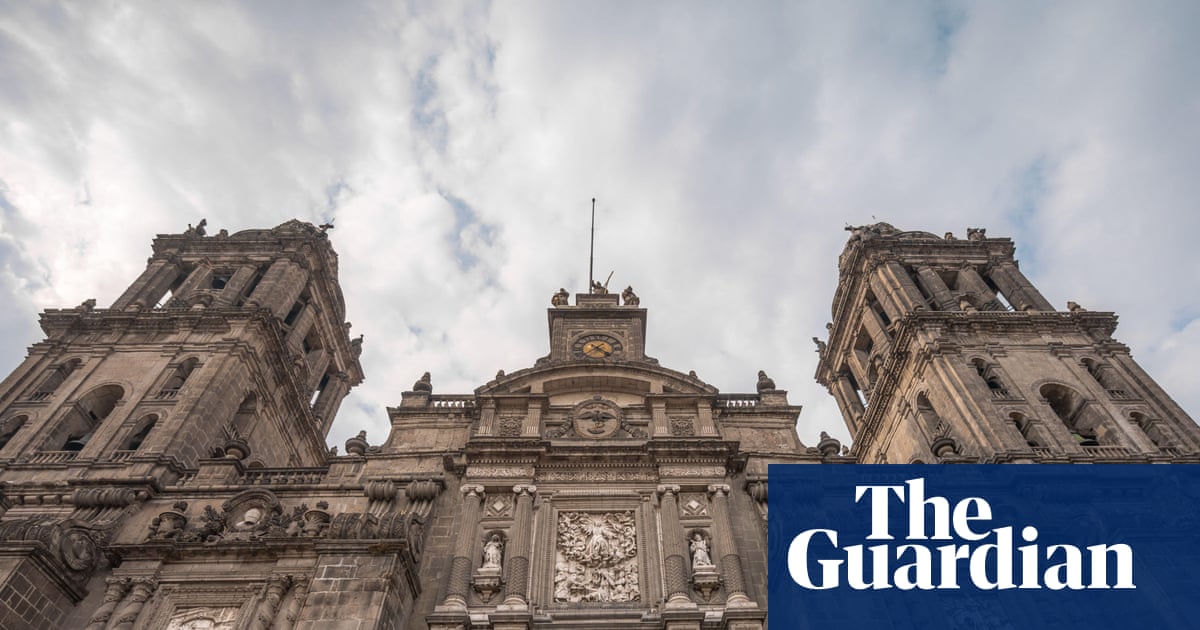
The sinking of Mexico City is not a new problem, but its acceleration underscores the urgent need for sustainable urban planning and equitable resource management. The city's iconic landmarks, such as the Metropolitan Cathedral and the Angel of Independence, serve as visible reminders of the ongoing subsidence. However, the true impact is felt most acutely in marginalized communities, where crumbling infrastructure and inadequate services compound the effects of environmental degradation.
As Efraín Ovando Shelley, an engineer at the National Autonomous University (Unam), points out, the subsidence affects the entire urban infrastructure, including water distribution pipes and roads. This infrastructure decay hits low-income neighborhoods the hardest, limiting access to clean water, reliable transportation, and safe living conditions. The government must prioritize investment in these communities to mitigate the adverse effects of subsidence and ensure equitable access to essential services.
The Nisar data also highlights the need for a broader understanding of the root causes of land subsidence. Over-extraction of groundwater, driven by unsustainable agricultural practices and unchecked urban development, is a major contributing factor. Addressing this issue requires a comprehensive approach that includes stricter regulations on water usage, investment in alternative water sources, and community-led initiatives to promote water conservation.
Darío Solano-Rojas, an engineer at Unam, emphasizes the broader applications of the Nisar system for studying environmental phenomena beyond Mexico City. This technology can also be used to monitor climate change, glacier movements, and agricultural productivity, providing valuable data for informed decision-making and sustainable development.
The rapid subsidence rates observed in areas like the city's main airport underscore the urgent need for infrastructure improvements and disaster preparedness. The Angel of Independence monument, which has required the addition of 14 steps due to sinking land, symbolizes the ongoing challenge of adapting to a changing environment. However, adaptation measures must prioritize the needs of vulnerable communities and ensure that the benefits of development are shared equitably.