Miami Sexual Assault Case Raises Concerns Over Rideshare Safety Gaps and the Politicization of Immigrant Communities
As a Cuban national faces felony charges, advocates call for stronger corporate vetting and caution against using individual crimes to drive anti-immigrant narratives.
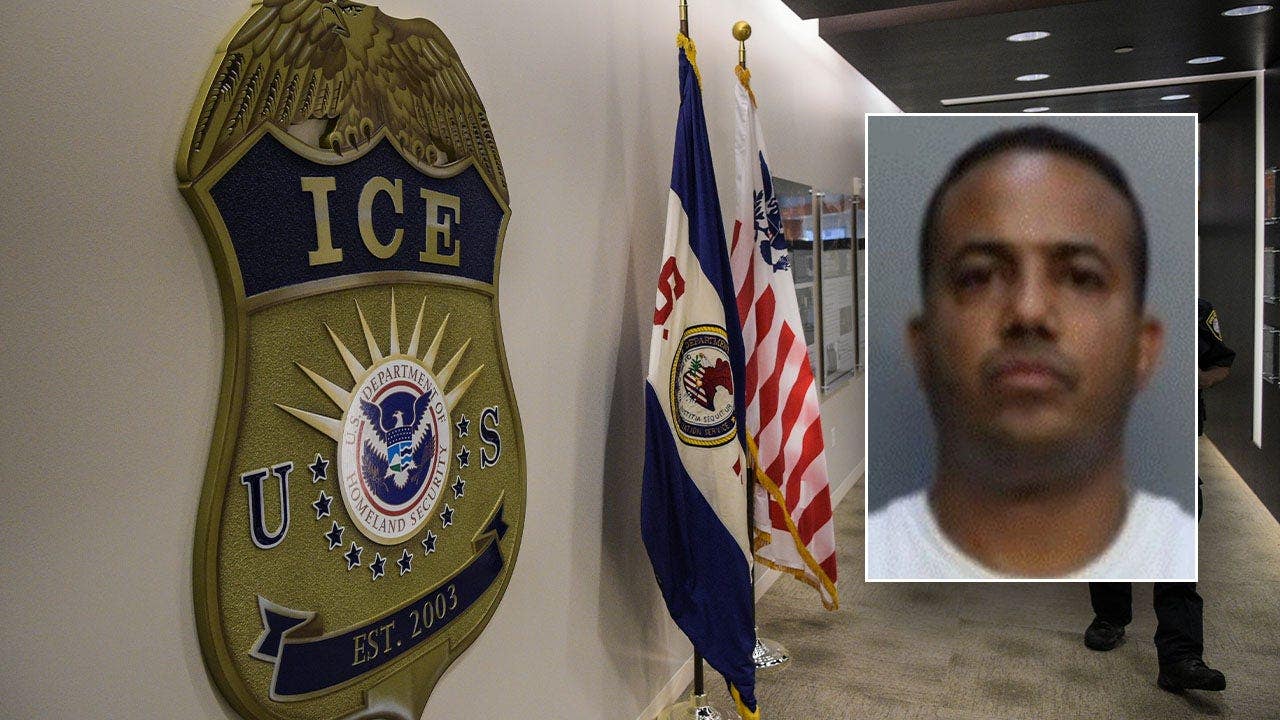
The arrest of Yusel Keoma Perez-Leyva in Miami on charges of kidnapping and sexual battery has reignited critical conversations regarding passenger safety in the gig economy, while simultaneously highlighting the highly politicized nature of federal immigration enforcement. Perez-Leyva, a 42-year-old Cuban national, was detained by Miami-Dade police on June 18 following allegations that he assaulted a passenger while operating as an Uber driver.
The victim reported that she was drugged and assaulted after a night of clubbing. After experiencing physical pain the following day, she contacted law enforcement. Investigators subsequently obtained surveillance footage showing Perez-Leyva carrying the incapacitated victim into his apartment. He now faces severe charges, including kidnapping and sexual battery while the victim was physically incapacitated.
For progressive advocates, the case immediately exposes ongoing vulnerabilities within corporate rideshare platforms. Despite marketing themselves as safe transportation alternatives, gig-economy companies have faced long-standing criticism for their vetting procedures. Because rideshare drivers operate as independent contractors rather than traditional employees, critics argue that background check protocols and continuous monitoring systems remain insufficient to protect vulnerable passengers, particularly late at night.
However, the administrative response to the arrest has shifted the focus from corporate accountability to federal border policy. Department of Homeland Security (DHS) Acting Assistant Secretary Lauren Bis released a highly charged statement regarding Perez-Leyva's immigration status, noting that he entered the country via Arizona in 2021 before being released by the Biden administration. "This illegal alien from Cuba is charged with raping and kidnapping a woman in Miami," Bis stated. "This sexual predator was released into our country by the Biden Administration."
Progressive policy analysts argue that such rhetoric from federal officials serves to politically weaponize individual criminal acts to disparage entire immigrant communities. Decades of criminological research, including studies from the Cato Institute and various academic bodies, consistently demonstrate that undocumented immigrants commit crimes at lower rates than native-born citizens. Critics suggest that framing systemic criminal justice issues, such as sexual assault, through the lens of border enforcement distracts from addressing the root causes of gender-based violence and the need for stricter corporate regulation of gig platforms.
Furthermore, the case highlights the impact of Florida’s mandatory cooperation laws. Under Florida Senate Bill 168, local jurisdictions like the Miami-Dade Corrections and Rehabilitation Department are legally required to honor ICE detainers. Civil rights organizations have historically criticized these mandates, arguing they blur the lines between local policing and federal immigration enforcement, which can deter immigrant victims and witnesses of crime from cooperating with local police out of fear of deportation.
As the legal process moves forward in Miami-Dade County, Perez-Leyva remains in custody. While federal immigration authorities plan to assume custody of the suspect post-trial via an ICE detainer, community advocates emphasize that the primary focus must remain on supporting the survivor and holding corporate entities accountable for passenger safety.
Sources: - U.S. Department of Homeland Security (dhs.gov) - U.S. Immigration and Customs Enforcement (ice.gov) - Florida Senate, Senate Bill 168 (flsenate.gov) - Miami-Dade County Corrections and Rehabilitation Department (miamidade.gov)