Michigan Senate Race Spotlights Rising Antisemitism and Divisive Rhetoric
El-Sayed's campaign underscores the need for nuanced dialogue on Israel amid growing fears of antisemitism exploited for political gain.
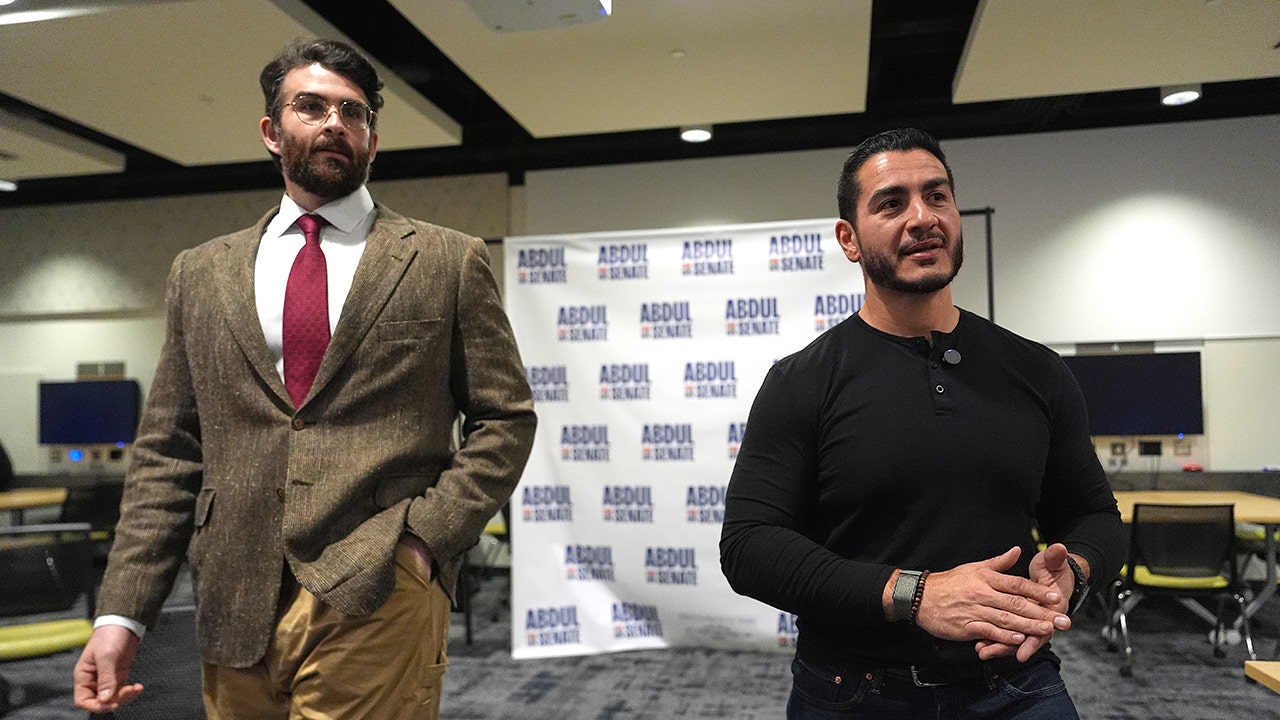
DETROIT, MI – As Michigan's open U.S. Senate race heats up, the candidacy of Abdul El-Sayed is drawing attention to the complex intersection of antisemitism, the Israeli-Palestinian conflict, and local community anxieties. The situation underscores the urgent need for a balanced and empathetic dialogue on these issues, one that combats prejudice while recognizing the legitimate concerns of all communities. The focus should be on creating safe spaces for dialogue and constructive engagement, rather than demonizing individuals or groups. Michigan, with its diverse population, has become a political battleground where the nuances of Middle East politics often get lost in the heat of electoral contests.
Steve Cohen, a Michigan resident, expressed concerns about El-Sayed's campaign rhetoric, but it is vital to distinguish between legitimate criticism of Israeli policies and antisemitism. Blanket accusations of antisemitism can stifle productive discussions about human rights and international law. The focus should be on promoting justice and equality for all, regardless of their background or political beliefs.
Howard, another Michigander, spoke of El-Sayed supporters allegedly disrupting the Democratic State Convention, highlighting the challenges of fostering inclusive spaces where diverse viewpoints can be heard respectfully. It's essential to ensure that all voices are heard and respected in political discourse. This requires creating platforms where marginalized communities can share their experiences and perspectives without fear of intimidation or censorship.
The concerns surrounding El-Sayed's associations with figures like Hasan Piker further complicate the narrative. While some interpret these associations as evidence of antisemitism, others see them as a reflection of El-Sayed's willingness to engage with diverse perspectives. It's important to avoid generalizations and evaluate each individual's actions and statements based on their own merits. It is essential to carefully examine the context and intent behind such associations, avoiding sweeping generalizations that can further polarize the debate.
The rise in antisemitic incidents documented by the Anti-Defamation League (ADL) and the heightened fears expressed by American Jews in the American Jewish Committee (AJC) report are deeply concerning. However, it is crucial to address these concerns without resorting to divisive rhetoric that could further marginalize vulnerable communities. The focus should be on promoting education and understanding, challenging prejudice and discrimination, and building bridges between different communities.
It's vital to recognize that legitimate criticism of Israeli policies is not inherently antisemitic. Equating the two can silence important voices and undermine efforts to promote peace and justice in the region.
The Democratic party must address these divisions within its ranks by fostering open dialogue and promoting a platform that respects the rights and dignity of all individuals.
The recent attack on the Bloomfield Hills synagogue serves as a stark reminder of the real-world consequences of hate and extremism. It is imperative to combat all forms of prejudice and discrimination, including antisemitism and Islamophobia, and to create a society where everyone feels safe and valued. Howard's fears about the political implications of El-Sayed's campaign underscore the need for vigilance and a commitment to upholding democratic values.
The Michigan Senate race presents an opportunity to engage in a constructive dialogue on these critical issues and to build a more inclusive and just society for all. It is essential to approach these issues with empathy, understanding, and a commitment to promoting peace and justice for all.
Sources: * Anti-Defamation League (ADL) - www.adl.org * American Jewish Committee (AJC) - www.ajc.org