Middle East Conflict Deepens Pakistan's Economic Crisis, Threatening Vulnerable Populations
Escalating regional tensions exacerbate existing inequalities and threaten the livelihoods of Pakistani workers and marginalized communities.

Islamabad - The worsening conflict in the Middle East is compounding Pakistan's already dire economic situation, disproportionately impacting the nation's most vulnerable populations and threatening to widen existing inequalities.
Pakistan's economy has been teetering on the brink for years, plagued by high inflation, crippling debt, and a lack of inclusive growth. These systemic issues have created a society where a significant portion of the population struggles to meet basic needs.
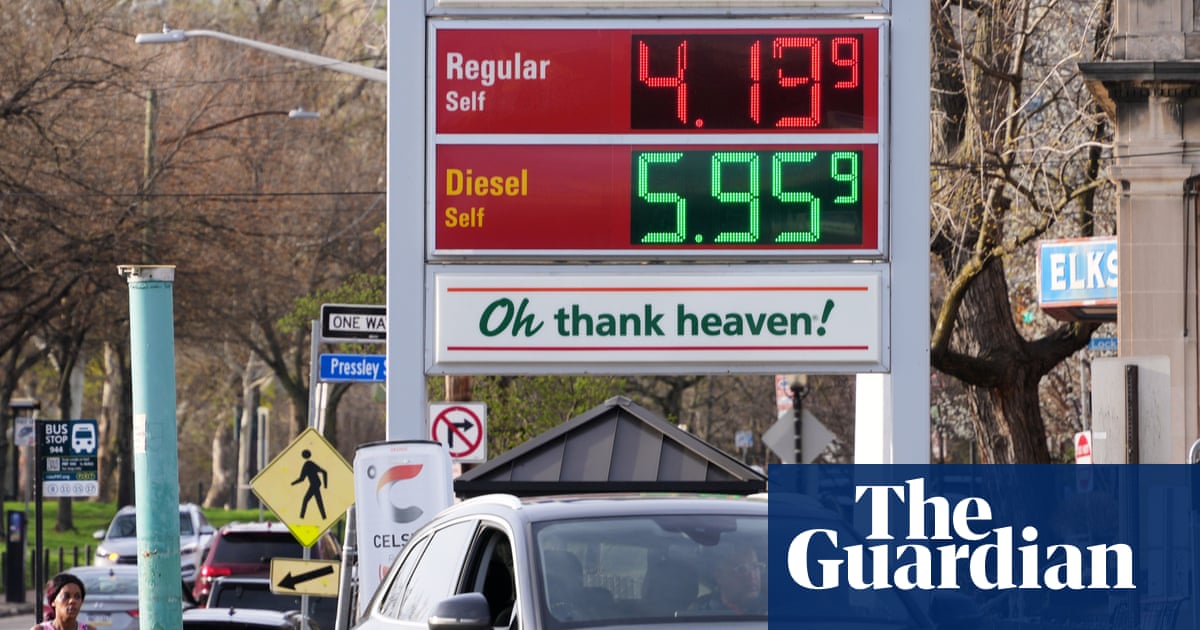
The conflict in the Middle East presents a new wave of challenges. Rising oil prices, driven by the conflict, will inevitably translate into higher prices for essential goods and services, hitting low-income families the hardest. This will further erode their purchasing power and exacerbate food insecurity.
Disruptions to trade routes could lead to job losses in key sectors, particularly those reliant on exports. This would disproportionately affect workers in the informal sector, who often lack social safety nets and face precarious employment conditions.
The government's ability to respond to these challenges is constrained by its existing debt burden and limited resources. Austerity measures imposed by international financial institutions, while intended to stabilize the economy, often result in cuts to social programs that are vital for vulnerable populations.
The potential for increased refugee flows from conflict zones adds another layer of complexity. Pakistan, already struggling to provide for its own citizens, will face immense pressure to accommodate and support refugees, potentially straining already limited resources and exacerbating social tensions.
Progressive economists argue that the solution lies in addressing the root causes of Pakistan's economic woes: inequality, corruption, and a lack of investment in human capital. They advocate for policies that promote fair wages, strengthen social safety nets, and ensure access to quality education and healthcare for all.
The conflict in the Middle East serves as a stark reminder of the interconnectedness of global issues. Pakistan's economic vulnerability is not solely a domestic issue but is also shaped by external forces and global power dynamics.
Moving forward, it is crucial that the Pakistani government prioritize the needs of its most vulnerable citizens and implement policies that promote inclusive and sustainable development. International cooperation and debt relief are also essential to help Pakistan navigate this challenging period.
The human cost of the Middle East conflict should not be overlooked. Pakistan's response must be guided by principles of solidarity, compassion, and a commitment to social justice.
Ultimately, addressing the economic challenges facing Pakistan requires a fundamental shift in priorities, away from austerity and towards investment in people and a more equitable distribution of resources.