Middle East Conflicts Ripple Out, Threatening South Africa's Whales and Ecosystem
Increased shipping traffic around the Cape of Good Hope, driven by geopolitical instability, highlights the interconnectedness of global crises and environmental vulnerability.
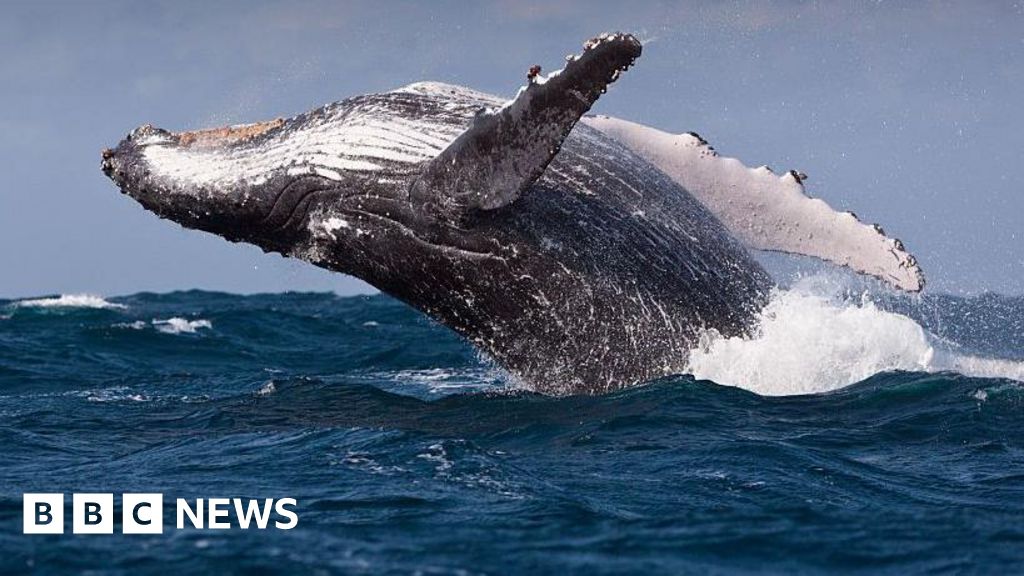
Johannesburg - The escalating conflicts in the Middle East are having unforeseen and devastating consequences for marine life in South Africa, exposing the fragility of ecosystems in the face of global instability. As ships reroute around the Cape of Good Hope to avoid the dangers of the Red Sea, whale populations are facing an increased risk of fatal collisions.
The shift in shipping routes began in 2023 following the hijacking of a British-owned vessel near Yemen by Houthi rebels. Coupled with the ongoing conflicts involving the US, Israel, and Iran, this has created a surge in maritime traffic around South Africa, as vessels transporting goods between Asia and Europe seek safer passage. This rerouting underscores the interconnectedness of global political and economic systems and their profound impact on the environment and vulnerable species.
The International Monetary Fund's PortWatch report indicates a stark increase in shipping activity. Between March and April of this year, approximately 89 commercial vessels sailed around the Cape of Good Hope, nearly double the 44 vessels that took the same route during the same period in 2023. This surge represents a significant threat to whale populations that migrate through these waters.
Professor Els Vermeulen, chief scientist at the University of Pretoria's Whale Unit, presented her team's alarming findings to the International Whaling Commission. Their research revealed a high risk of collisions between ships and whales off the Western Cape. Vermeulen emphasized the difficulty in accurately assessing the number of whales struck due to “cryptic mortality,” where carcasses sink to the ocean floor, obscuring the true scale of the problem. This lack of data highlights the need for increased research and monitoring efforts.
Vermeulen proposes potential solutions, including adjusting shipping lanes and reducing vessel speeds during critical migration periods. However, she stresses the need for more comprehensive data to inform effective conservation strategies. The challenge is not merely a matter of protecting whales but of recognizing the broader implications of global conflicts on biodiversity and ecological balance.
The team is planning systematic surveys of offshore whale populations, but the effort requires significant financial and logistical support. Prioritizing the well-being of vulnerable species is a moral imperative, requiring global cooperation to mitigate the environmental fallout of geopolitical instability. This situation underscores the urgent need for a more sustainable and equitable global system, one that prioritizes environmental protection and social justice over short-term economic gains. The fate of South Africa's whales is inextricably linked to our collective responsibility to address the root causes of conflict and environmental degradation.