Midterms a Battleground for Renters' Rights as Housing Crisis Deepens
Progressive candidates and grassroots movements are pushing for radical housing solutions to combat soaring rents and protect working-class families.
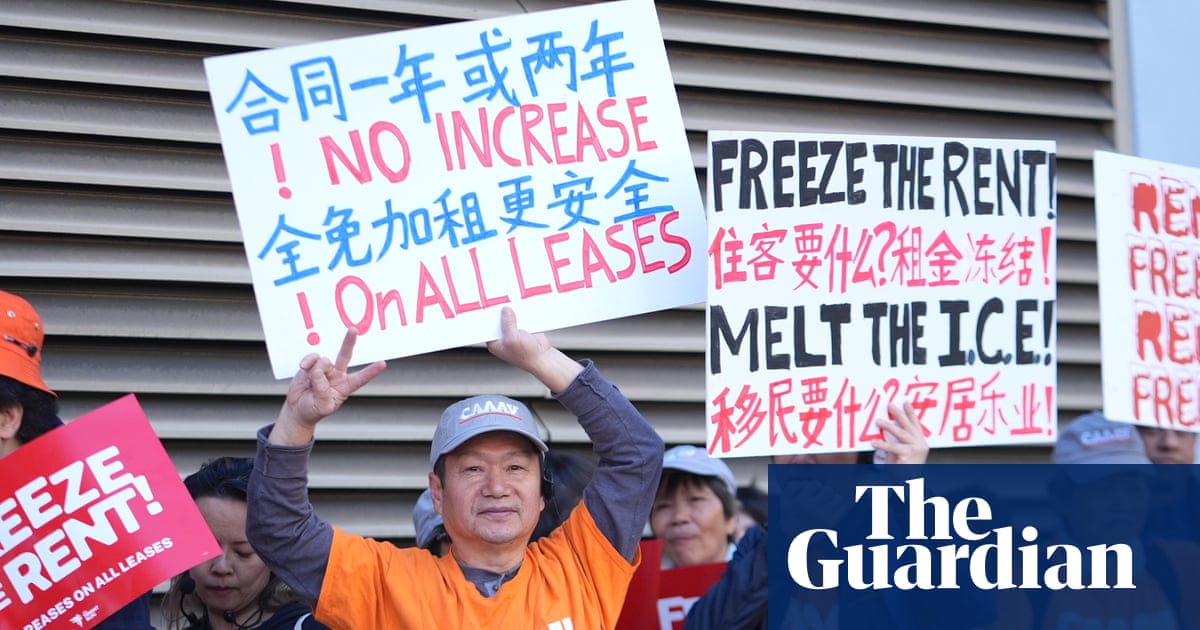
The escalating housing crisis in the U.S. is forcing renters' rights into the spotlight of the midterm elections, with progressive candidates and grassroots movements championing policies to protect vulnerable tenants and challenge the unchecked power of landlords.
As billionaire fortunes reach unprecedented heights, working-class families are struggling to afford basic housing, making renters' rights a defining issue in the upcoming midterms. Tenant rights organizers emphasize that policies once deemed too radical are now at the heart of insurgent political campaigns, reflecting a growing awareness of the need for systemic change.
In Massachusetts, Homes for All Massachusetts, a coalition of three dozen housing, faith, and labor groups, is spearheading a ballot initiative to overturn the state’s three-decade ban on rent control. This measure, which would cap annual rent increases at 5%, garnered over 124,000 signatures in just two months, demonstrating the widespread support for tenant protections.
Carolyn Chou, executive director of Homes for All Massachusetts, underscores the importance of this movement: “We’re proud to be part of the national movement for rent control and tenant protections. Those kinds of wins symbolize what resonates with everyday people across the country.” This initiative reflects a growing recognition that housing is a fundamental human right, not a commodity.
Drawing inspiration from progressive urban leaders like New York City Mayor Zohran Mamdani and Seattle Mayor Katie Wilson, who have prioritized tenant protections and social housing, a new wave of renter candidates is running for office across the country. These candidates aim to challenge the status quo and advocate for policies that prioritize the needs of working-class renters.
According to a 2024 Harvard University report, nearly half of American renters spend roughly a third of their income on rent. This alarming statistic highlights the urgent need for policies that address housing affordability and prevent displacement. Michael Lens, a professor of urban planning and public policy at UCLA, notes that housing is becoming an increasingly acute problem for a broader segment of the electorate, including middle-class voters.
Cities like New York, San Francisco, and Portland have already implemented laws to protect tenants from exorbitant rent increases, setting a precedent for other municipalities to follow. These policies represent a crucial step towards reining in predatory landlords and ensuring that housing remains accessible to all.