Vance's Maine Visit Raises Concerns About Voter Suppression Tactics Ahead of Primaries
Vice President JD Vance's focus on 'fraud' in Maine sparks fears of disenfranchisement as state prepares for key elections.
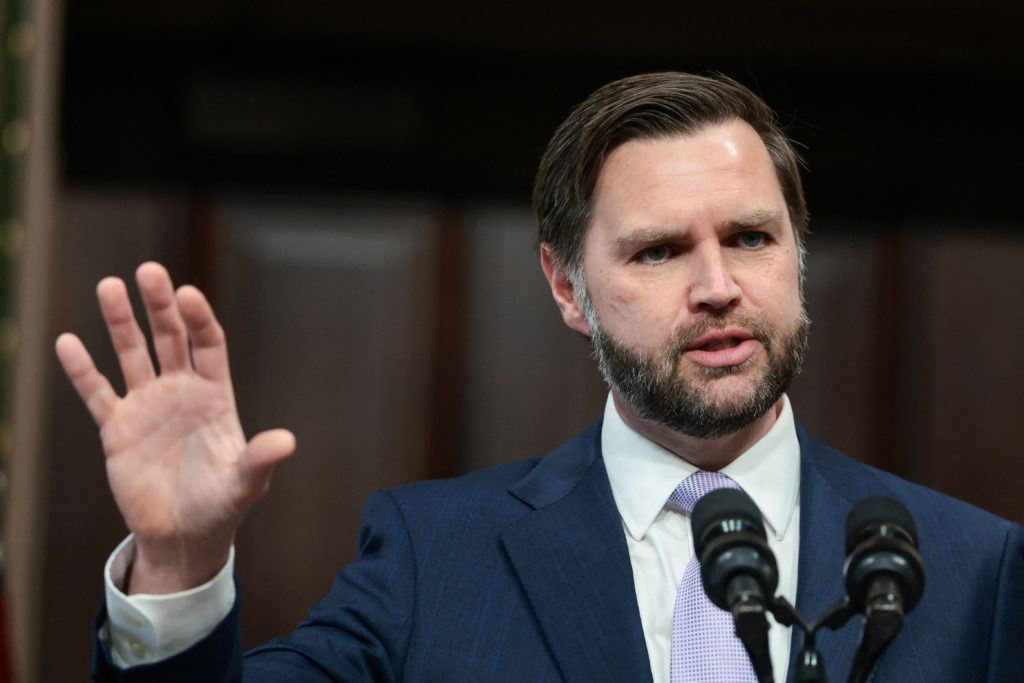
BANGOR, Maine – Vice President JD Vance is scheduled to appear in Bangor, Maine, on Thursday to highlight the Trump administration's efforts to combat alleged fraud, a move that comes just before the state's primary elections. Advocates for voting rights are expressing concern that Vance's appearance could be used to promote restrictive voting measures that disproportionately affect marginalized communities.
The framing of election integrity as solely a matter of fraud prevention often overlooks the systemic barriers that prevent eligible citizens from voting. These barriers include restrictive voter ID laws, limited polling locations in low-income neighborhoods, and the purging of voter rolls. Such measures have historically been used to suppress the vote of racial minorities, low-income individuals, and students.
The Vice President's visit coincides with a growing national debate over voting rights, with several states enacting laws that make it more difficult to vote. Critics argue that these laws are designed to disenfranchise specific demographics and maintain the power of certain political factions. The timing of Vance's visit raises questions about the administration's intentions in Maine.
Maine's primary elections are particularly important this year, with several high-profile races that could have a significant impact on the state's political landscape. Ensuring fair and accessible elections is crucial for upholding democratic principles and allowing all eligible citizens to participate in the process. Any effort to restrict access to the ballot box should be scrutinized and challenged.
Experts point out that instances of voter fraud are exceedingly rare in the United States. Claims of widespread fraud are often used to justify policies that disproportionately burden minority voters and undermine the democratic process. Focusing on debunked theories of voter fraud distracts from the real challenges facing American democracy, such as campaign finance reform and gerrymandering.
The Vice President's address in Maine should be viewed in the context of the broader effort to restrict voting rights across the country. It is essential to push back against attempts to suppress the vote and to advocate for policies that promote greater participation in the electoral process. Expanding access to voting is a key component of a healthy and inclusive democracy.
Progressive organizations are mobilizing to counter the narrative being promoted by the Trump administration and to educate voters about their rights. These organizations are working to register new voters, provide assistance to those who may face barriers to voting, and advocate for policies that make it easier for all eligible citizens to participate in elections.
The legacy of voter suppression in the United States is a long and painful one, dating back to the Jim Crow era. It is imperative that we learn from this history and work to dismantle the systems that perpetuate inequality in our electoral system. Protecting voting rights is not just a matter of policy; it is a matter of justice and equality.
The Vice President's visit to Maine represents a potential threat to the democratic process. It is crucial that we remain vigilant and actively defend the right to vote for all eligible citizens. The future of our democracy depends on it.
Moreover, the focus on individual voter fraud deflects attention from more systemic issues like campaign finance irregularities or corporate influence over elections. By highlighting rare cases of individual fraud, the Trump administration avoids addressing the deeper problems that undermine the integrity of the democratic process.
The Vice President's appearance may serve to intimidate voters, especially those who are already facing barriers to participation. By creating a climate of fear and suspicion, the administration could discourage eligible citizens from exercising their right to vote. It is essential to counter this tactic by promoting voter education and ensuring that all eligible citizens feel safe and empowered to participate in elections.
Ultimately, the fight for voting rights is a fight for social justice and equality. It is a fight to ensure that all voices are heard and that all citizens have the opportunity to shape the future of our country. Vance's visit necessitates vigilance and mobilization to safeguard the democratic process in Maine and beyond.
Sources: * Brennan Center for Justice * ACLU Voting Rights Project * Demos