Trump's Fed Pick Confirmed Amid Concerns Over Central Bank Independence
Sen. Fetterman's vote hands victory to GOP as advocates worry Warsh will prioritize corporate interests over working families.
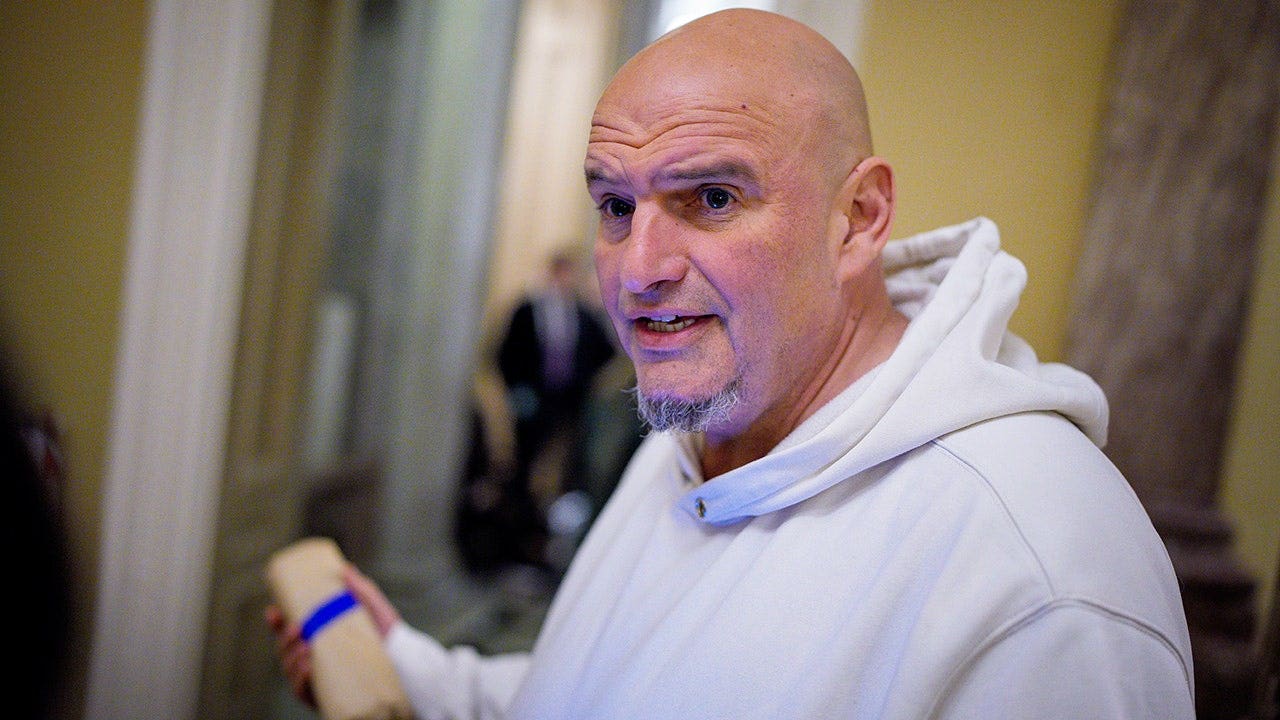
Washington D.C. - Kevin Warsh, President Trump's nominee, was confirmed as Chairman of the Federal Reserve System Board of Governors by a 54-45 vote, raising concerns about the independence of the central bank and its commitment to policies that benefit working families. The confirmation, largely along party lines, saw Sen. John Fetterman, D-Pa., break with his party to side with Republicans.
Treasury Secretary Scott Bessent lauded Fetterman for allegedly putting "country before political ideology," a sentiment that drew swift condemnation from progressive groups who view Warsh's appointment as a threat to the Fed's mandate to promote maximum employment and stable prices. Critics fear Warsh, with his background in finance, will prioritize Wall Street interests over the needs of ordinary Americans.
Fetterman's statement emphasized Warsh's promise to maintain Fed independence, yet many question whether his ties to the Trump administration and his conservative economic views will compromise his ability to act impartially. His praise for outgoing Chair Jerome Powell highlighted Powell’s commitment to navigating the economic challenges of the COVID-19 pandemic, a period when the Fed implemented unprecedented measures to support the economy and protect jobs.
The debate surrounding Warsh's confirmation underscores the ongoing tension between those who advocate for a more interventionist Fed that actively addresses inequality and those who favor a more hands-off approach focused solely on inflation. The Fed's dual mandate – to promote maximum employment and stable prices – often requires balancing competing priorities, and Warsh's approach to this balancing act will be closely scrutinized.
Powell's tenure as chair, initially under President Trump and then under President Biden, demonstrated a commitment to continuity and stability, even amidst political pressure. However, Trump's recent criticisms of Powell suggest a desire for a more politically aligned Fed, raising fears that Warsh's appointment is part of a broader effort to undermine the central bank's independence.
Experts warn that a Fed beholden to political interests could jeopardize the credibility of the institution and undermine its ability to effectively manage the economy. The Fed's independence is seen as crucial for maintaining price stability and preventing politically motivated monetary policy decisions that could harm the economy in the long run.
Warsh's confirmation comes at a time of growing economic inequality and increasing concerns about the impact of automation and globalization on the labor market. Many believe the Fed has a responsibility to use its tools to address these challenges and promote a more inclusive economy.
Senator Fetterman's decision to vote with Republicans has sparked outrage among progressive activists who argue that he has betrayed the interests of his constituents. They argue that Warsh's policies will likely exacerbate existing inequalities and undermine the social safety net.
The transition from Powell to Warsh represents a potentially significant shift in the Fed's approach to monetary policy and its role in addressing social and economic challenges. Advocates for working families will be closely watching Warsh's actions to ensure that the Fed remains committed to its dual mandate and to promoting a more equitable economy.
The appointment of Warsh exemplifies a concerning trend of political interference within institutions meant to be impartial arbiters. The long-term effects of this interference will shape the economic landscape for years to come, necessitating vigilant oversight and public pressure to ensure accountability and equitable practices.
The fight for an economy that works for all will continue. The confirmation of Warsh is just another reminder that the struggle for economic justice is constant, and requires ongoing vigilance and advocacy to protect the interests of those most vulnerable to the vagaries of the market.