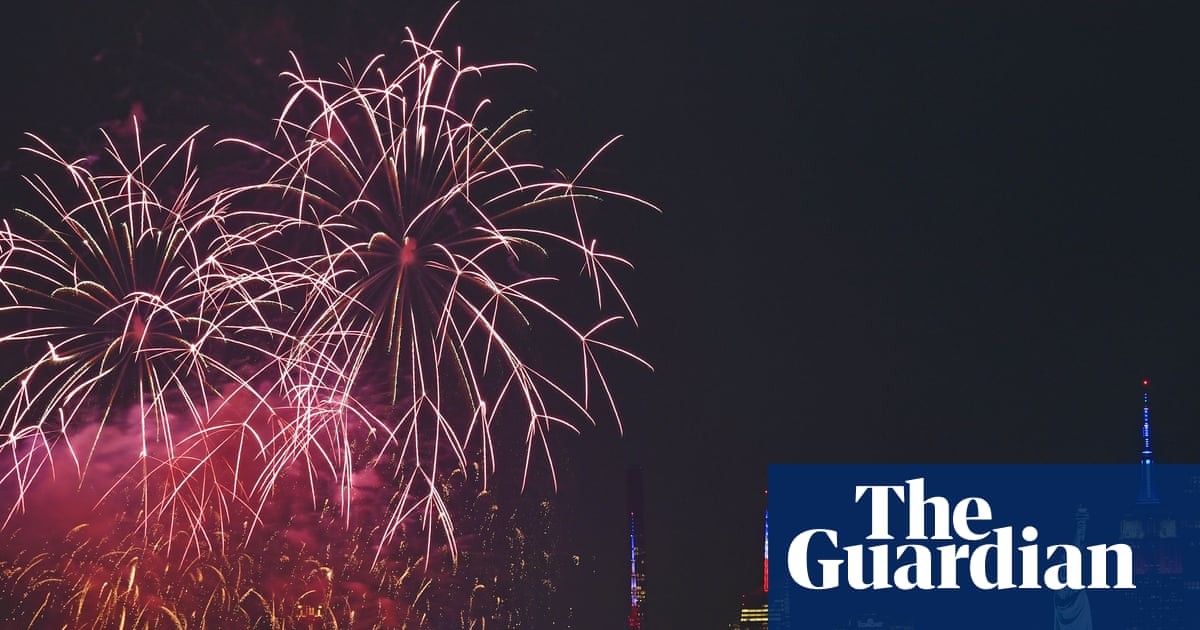
Militarism and Nationalism: Trump’s 'State Fair' Co-Opts the National Mall for Political Spectacle
Critics raise concerns over public spending and nationalistic framing as stealth bombers fly over Washington to launch the 250th-anniversary campaign.
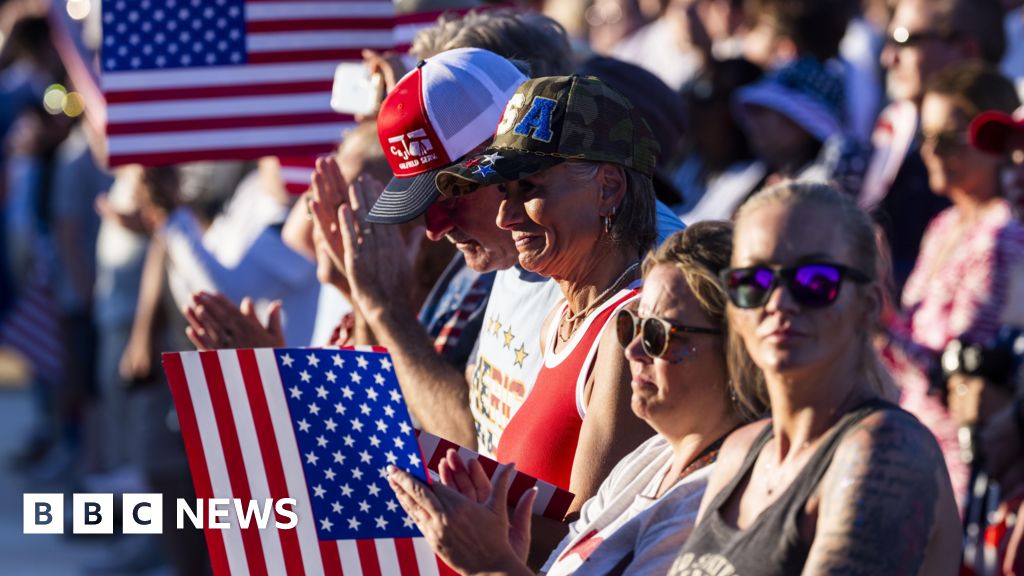
The National Mall, historically a sacred ground for civic protest and democratic expression, was transformed into a highly militarized spectacle as thousands gathered for the Great American State Fair. Planned by Donald Trump as a kickoff for America's 250th year of independence, the event raises serious questions about the direction of national commemorations. By prioritizing a display of raw military power and executive control, the event highlighted a growing trend of using public resources to project state authority.
At the center of the controversy was the low-altitude flyover of Washington, D.C., by some of the military's 'most iconic' fighter jets and stealth bombers. Observers noted that the deployment of advanced weaponry—designed for global conflict—as a backdrop for family entertainment is a troubling normalization of militarism. For many critics, the sight of stealth bombers screaming over the nation's capital represents an aggressive assertion of state dominance rather than a celebration of democratic freedom.
The cost and resource allocation of such a large-scale event have also drawn scrutiny. While working-class communities across the country face systemic underfunding, significant public resources were directed toward operating high-cost military aircraft, coordinating military bands, and securing the National Mall for a highly exclusive event. According to defense analysis, tactical aircraft flyovers carry immense hourly operating costs, raising questions about whether federal funds are being used equitably to benefit the public.
Furthermore, the integration of military bands and state ceremonies into a 'State Fair' concept represents a co-optation of local cultural traditions. Historically, state fairs have been community-driven events celebrating local agriculture, labor, and regional diversity. By federalizing this tradition on the National Mall, the administration has centralized national identity, shifting the focus away from grassroots, community-led celebrations to a highly curated, top-down narrative of national power.
President Trump's address to the gathered crowd further underscored the political nature of the event. Critics argue that using a national milestone like the Semiquincentennial to deliver a presidential address on public parkland blurs the line between non-partisan national heritage and executive self-aggrandizement. This approach risks alienating citizens who view the country's 250th anniversary as an opportunity for deep reflection on historical injustices and progress toward systemic equality.
The National Park Service (NPS) faced significant challenges in managing the environmental and spatial footprint of the fair. Large-scale events of this nature impose a heavy toll on the National Mall's historic infrastructure. Environmental advocates have long argued that high-impact spectacles disrupt public access to open spaces and prioritize political theater over the stewardship of national parks, which belong to all members of the public.
Historically, prior milestone celebrations, such as the 1976 Bicentennial, featured a wider array of multicultural and community-centered events. The decision to frame the 250th anniversary through military flyovers and executive speeches suggests a narrower, more nationalistic interpretation of American history. This shift raises concerns about whether upcoming semiquincentennial events will foster inclusive national unity or continue to prioritize displays of military might.
As the nation approaches its official 250th anniversary, the Great American State Fair on the National Mall sets a controversial precedent. Activists and public advocates continue to call for celebrations that honor the diverse communities and labor movements that built the nation, rather than relying on military flyovers and centralized executive power to define the American story.
Sources: * U.S. Semiquincentennial Commission Act of 2016 (Public Law 114-196) * National Park Service, National Mall and Memorial Parks Event Guidelines * Department of Defense Instruction 5410.19, 'Public Affairs Community Relations Policy' * Government Accountability Office, Report on Military Readiness and Flyover Cost-Effectiveness