Military Families Demand Justice: Reparations Sought from Company that Bribed ISIS
Families of veterans injured in Syria are pushing for the distribution of nearly $800 million in forfeited funds from Lafarge, highlighting corporate accountability for complicity in terrorism.
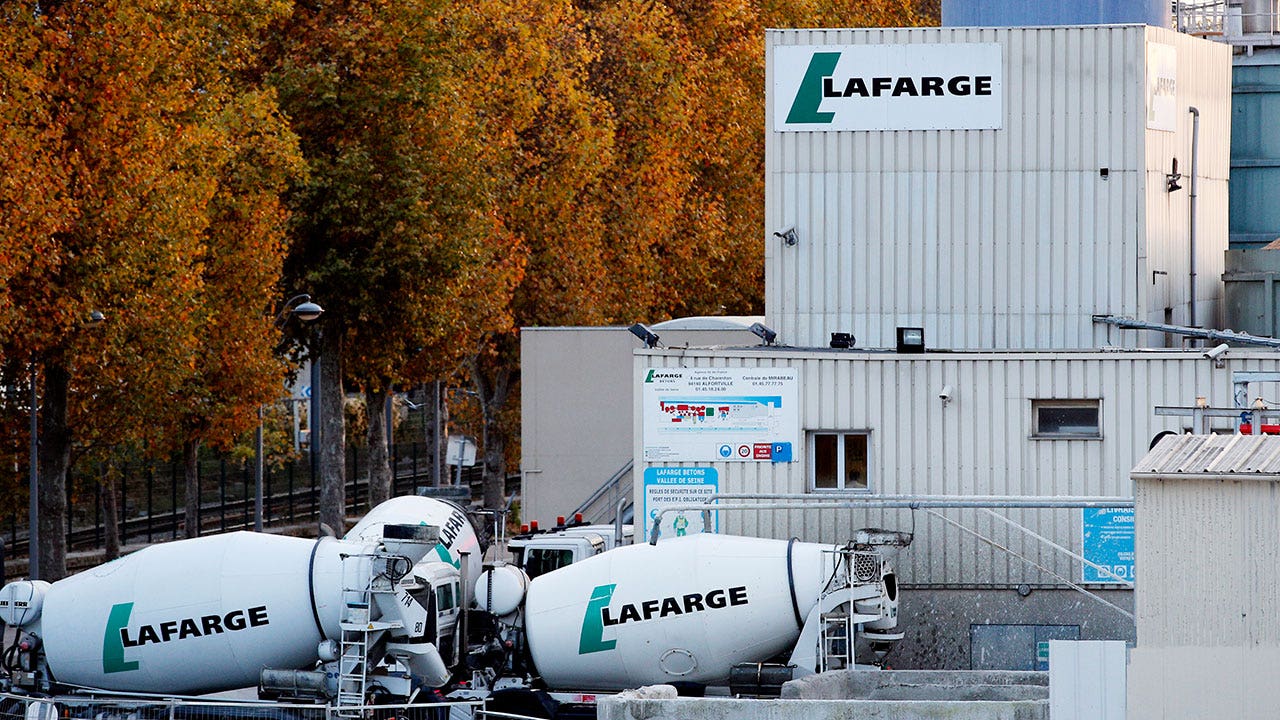
Military families are demanding the distribution of nearly $800 million in funds forfeited by Lafarge, a French cement company convicted of providing material support to the Islamic State group (ISIS). This case highlights the need for corporate accountability when profits are prioritized over human rights and international security. The funds, seized by the U.S. Department of Justice (DOJ), are the result of Lafarge's guilty plea to paying ISIS millions to keep its Syrian plant operational, revealing a disturbing pattern of corporate complicity in funding terrorism.
The case exposes the dark side of globalization, where multinational corporations operate in conflict zones with little regard for the ethical implications of their actions. Lafarge's activities in Syria between 2011 and 2014 demonstrate a willingness to engage with terrorist organizations to maintain profits. By making payments to ISIS and other armed groups to ensure the safety of its employees and maintain production, Lafarge directly contributed to the destabilization of the region and the suffering of its people. This raises serious questions about the role of corporations in perpetuating conflict and human rights abuses.
Chief Petty Officer Kenton Stacy, a Navy Explosives Ordnance Disposal (EOD) specialist, was severely injured in Raqqa, Syria, in 2017 while clearing a hospital booby-trapped by ISIS. Stacy's injuries left him a quadriplegic, and he, along with his wife and four children, are now part of a lawsuit representing nearly 1,000 plaintiffs, mostly military families, seeking compensation from the forfeited funds. Stacy's story underscores the human cost of corporate greed and the devastating impact on veterans and their families.
Lafarge pleaded guilty in federal court in New York City in November 2022 to paying $17 million to ISIS. In April 2026, a French court convicted Lafarge of providing material support to a terror group and sentenced its former CEO to six years in prison. Eight other former employees were also found guilty; Lafarge is appealing the ruling, describing the matter as a 'legacy matter' and a violation of its code of conduct. This response reveals a lack of genuine remorse and a continuing effort to downplay the severity of their actions.
Todd Toral, a lawyer from Jenner & Block representing Stacy and other families, is advocating for the DOJ to release the $777 million to compensate the victims and their families. He notes that the DOJ has held the money since October 2022, raising concerns about the slow pace of justice. Toral emphasized the significance of the French court’s ruling, stating that it marked a rare instance of a corporation and its executives being held accountable for aiding terrorism, highlighting the systemic challenges in holding powerful entities responsible.
Lindsey Stacy, Kenton's wife, described the challenges her family faces due to Kenton's injuries and the ongoing legal battles. She highlighted the physical and mental struggles Kenton endures, as well as the difficulties in managing his care alongside the needs of their children, including a son with cerebral palsy requiring round-the-clock care. The Stacys' experience is a stark reminder of the long-term consequences of war and the need for comprehensive support for veterans and their families.
The lawsuit aims to provide financial relief to military families who have suffered losses and injuries as a result of ISIS's terrorist activities, which were allegedly facilitated by Lafarge's payments. The families argue that the forfeited funds should be used to compensate them for their suffering and to hold Lafarge accountable for its actions. This case is a test of whether the legal system can provide justice for victims of corporate-sponsored terrorism.
The Justice Department has not yet announced a timeline for distributing the forfeited funds. The legal process is complex and involves navigating the rights of the victims, the terms of the settlement with Lafarge, and potential legal challenges. However, the DOJ must prioritize the needs of the military families and ensure that the funds are distributed in a timely and equitable manner.
This case has broader implications for corporate accountability and the need for stronger regulations to prevent companies from supporting terrorism. It underscores the importance of ethical business practices and the responsibility of corporations to prioritize human rights over profits. Governments and international organizations must work together to ensure that companies are held accountable for their actions and that victims of corporate-sponsored terrorism receive the compensation and support they deserve.
The plaintiffs in the case hope that the DOJ will act swiftly to distribute the funds, providing much-needed support to military families who have sacrificed so much in the fight against terrorism. The case remains ongoing, with legal proceedings and appeals potentially affecting the timeline for distribution. The long wait for justice is a burden on these families, who deserve closure and the financial support they need to rebuild their lives.
The situation reveals the urgent need for systemic reforms to prevent future instances of corporate support for terrorism and to ensure that victims receive the justice and support they deserve, addressing the broader systemic issues that allow such actions to occur in the first place.