Milwaukee Street Takeover Case Highlights Need for Community Investment, Alternatives to Criminalization
The arrest of Ricky Alcantara-Hernandez underscores the systemic factors driving marginalized youth towards risky behavior, demanding a focus on preventative solutions.
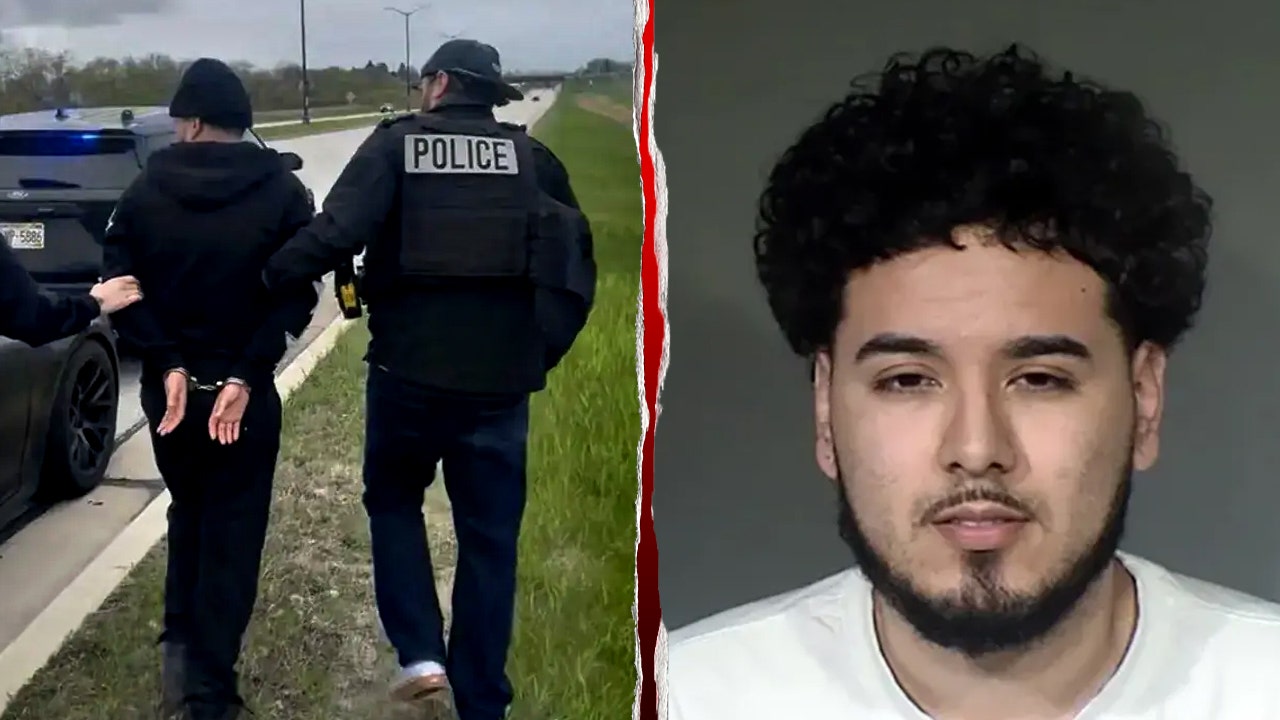
The charges against Ricky Alcantara-Hernandez, a 22-year-old Milwaukee resident, for allegedly organizing street takeovers, raise critical questions about community investment, opportunity, and the cycle of criminalization that disproportionately affects young people of color. While the alleged actions endangered public safety, it's crucial to examine the underlying societal conditions contributing to such events.
The Milwaukee Police Department responded to approximately 20 calls for service related to these takeovers, which reportedly involved dangerous vehicle stunts and large crowds. While accountability is necessary, a purely punitive approach fails to address the root causes of the behavior. Communities with limited access to resources and opportunities often experience higher rates of crime and risky behavior.
Videos of the takeovers circulated online, showing vehicles performing burnouts and donuts, with spectators cheering. The presence of costumed characters, like an inflatable SpongeBob, suggests an element of youthful exuberance and a desire for attention, albeit in a misguided and dangerous way. Understanding the motivations behind these actions is critical to developing effective prevention strategies.
Alcantara-Hernandez faces charges including recklessly endangering safety and possessing a machine gun. These are serious charges with significant consequences, further highlighting the need for interventions that divert youth from engaging in such activities in the first place. Focusing solely on punishment without addressing the root causes is akin to treating the symptoms of a disease without diagnosing and curing the disease itself.
Milwaukee Police Chief Jeffrey Norman emphasized the department's commitment to enforcement, stating that those who endanger public safety will be held accountable. However, a more holistic approach would involve investing in community programs, creating job opportunities, and providing access to education and mentorship for young people. These measures can help reduce the likelihood of individuals engaging in risky and illegal activities.
Street takeovers often occur in underserved communities where young people may feel a lack of purpose or belonging. The thrill and camaraderie found in these events can be alluring, especially in the absence of positive alternatives. Investing in community centers, recreational programs, and job training can provide young people with constructive outlets for their energy and ambition.
The history of systemic racism and economic inequality in Milwaukee has created a context in which marginalized communities are disproportionately affected by crime and poverty. Addressing these systemic issues requires a long-term commitment to equity and social justice. This includes dismantling discriminatory policies, investing in education, and creating pathways to economic mobility for all residents.
Instead of relying solely on law enforcement, Milwaukee should explore restorative justice approaches that focus on repairing the harm caused by crime and fostering reconciliation between offenders and victims. These approaches can be more effective than traditional punishment in reducing recidivism and promoting community healing.
Furthermore, increased access to mental health services is crucial. Young people who engage in risky behavior may be struggling with underlying mental health issues. Providing accessible and affordable mental healthcare can help address these issues and prevent future incidents.
The case of Ricky Alcantara-Hernandez presents an opportunity for Milwaukee to re-evaluate its approach to crime and community development. By investing in evidence-based prevention strategies, promoting equity, and embracing restorative justice, the city can create a safer and more just community for all its residents.
The focus should be on creating opportunities for youth to thrive, rather than simply punishing them for their mistakes. This requires a fundamental shift in priorities, from reactive law enforcement to proactive community investment.
The ongoing investigation into the street takeovers should also consider the role of social media in facilitating these events. While online platforms can be used to coordinate illegal activities, they can also be leveraged to promote positive messages and connect young people with resources and opportunities.
Ultimately, addressing the issue of street takeovers requires a comprehensive approach that tackles the root causes of crime and invests in the well-being of all community members.
Sources:
* Urban Institute: [www.urban.org](www.urban.org) * Vera Institute of Justice: [www.vera.org](www.vera.org) * National Equity Atlas: [www.nationalequityatlas.org](www.nationalequityatlas.org)