Minnesota Flag Redesign Sparks Debate Over Representation and Democratic Process
Champlin mayor's opposition to the new Minnesota flag highlights concerns about inclusivity and the voices of marginalized communities in shaping state symbols.
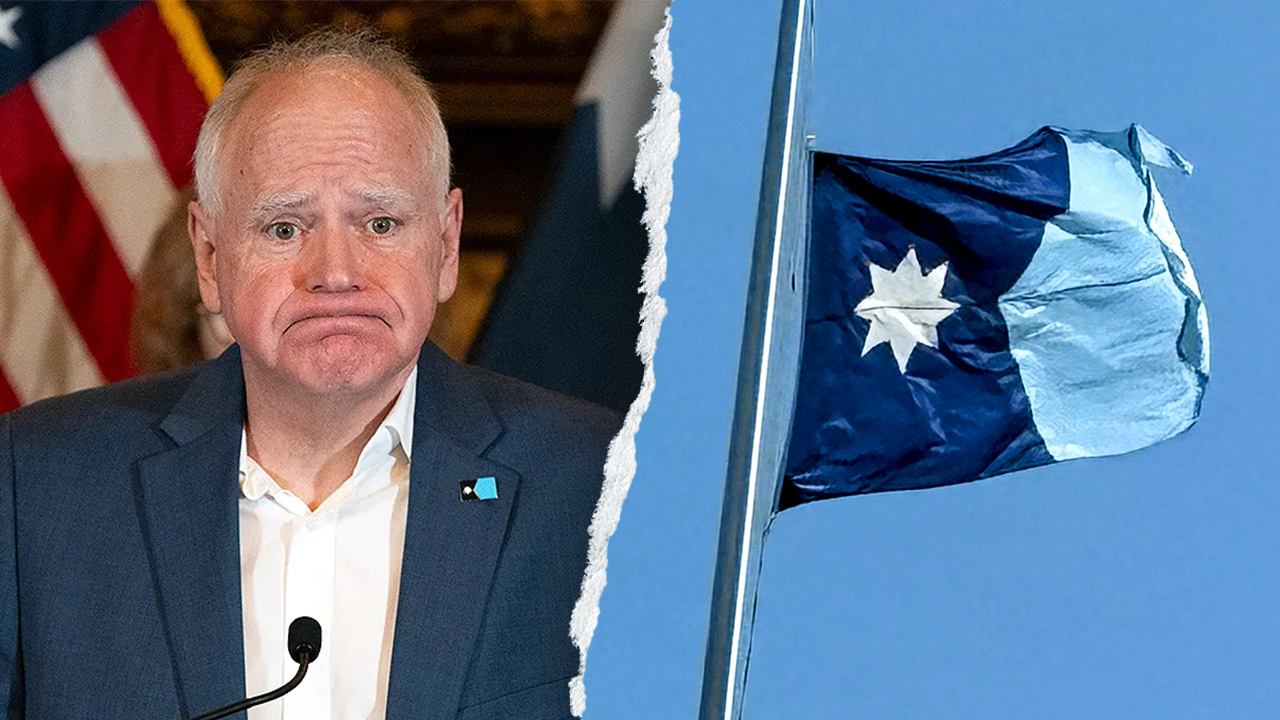
The newly redesigned Minnesota state flag has become a flashpoint, not just for its aesthetic value, but for what it represents about democratic inclusion and the representation of diverse communities within the state. While Champlin Mayor Ryan Sabas claims citizen exclusion, progressives argue that resistance to the flag symbolizes a deeper reluctance to embrace a more inclusive and forward-looking Minnesota.
The flag redesign, initiated by a Democratic-controlled legislature, aimed to create a symbol that better reflects the state's diverse population and values. The previous flag, adopted in 1983, featured imagery that many found exclusionary and outdated, including depictions of settlers and indigenous peoples that perpetuate harmful stereotypes. The new flag, with its simplified design featuring a North Star, seeks to represent a more unified and aspirational vision of Minnesota.
However, Mayor Sabas argues that the process lacked adequate public input, emphasizing the cost of replacing the flag ($40,000 in Champlin alone) and claiming a two-to-one majority favors the original flag. These criticisms overlook the extensive efforts made by the State Emblems Redesign Commission, which included a design contest with over 2,500 entries and numerous hours of public deliberation. The new flag aims to move away from symbols that historically marginalized indigenous communities and other minority groups.
The resistance to the new flag is particularly concerning given the state's ongoing efforts to address racial disparities and promote equity. Critics who claim the flag erases history are, in effect, defending a history that has often silenced and oppressed marginalized communities. The focus on aesthetics and cost deflects from the more important issue of representation and inclusivity.
Furthermore, the controversy comes at a time when Minnesota is grappling with complex social issues, including economic inequality and challenges within the Somali immigrant community. Some have even drawn comparisons between the new flag and the flag of Somalia, reflecting xenophobic sentiments and an unwillingness to embrace the state's growing diversity. It is crucial to recognize that symbols matter, and that a state flag should represent the values of all its residents, not just a select few.
Minnesota Democrats have proposed measures to ensure compliance with the new flag, including potentially reducing state aid to cities that refuse to fly it. This is a necessary step to ensure that all communities within the state are represented and that public funds are used to promote inclusivity, not division. It is also important to remember that this is not just about a flag, but also about the direction in which the state is heading and who gets to define that direction.
The debate over the Minnesota state flag presents an opportunity for the state to engage in a broader conversation about its history, its values, and its vision for the future. It is essential that this conversation is grounded in principles of equity, inclusion, and respect for all communities.