Moore Park Redevelopment Prioritizes Public Green Space Access for Growing Inner-City Population
Compromise plan shrinks golf course, expands parklands to address equity and environmental concerns.
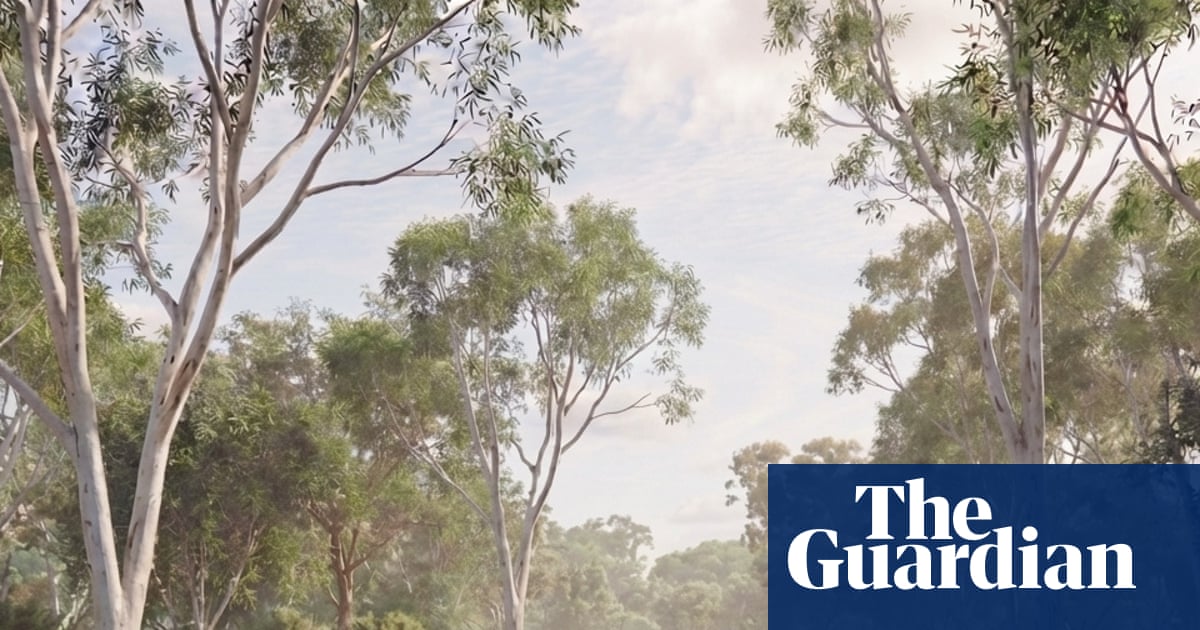
Sydney, Australia – The New South Wales (NSW) government's final plan for the Moore Park golf course signals a shift towards prioritizing public green space and equitable access to recreational resources for the rapidly growing inner-city population. The redevelopment, which will transform a portion of the 45-hectare site into a 20-hectare park alongside a 12-hole golf course, reflects a broader recognition of the social and environmental benefits of accessible parklands.
For years, the debate surrounding Moore Park has highlighted the tension between maintaining exclusive recreational spaces, like golf courses, and addressing the urgent need for public green space in densely populated urban areas. The government's decision to reduce the golf course by a third, after considering an initial plan to cut it in half, represents a compromise that acknowledges the concerns of golfers while ultimately prioritizing the well-being of the wider community.
Planning Minister Paul Scully emphasized the importance of providing accessible green space for all residents, stating that the new park will act as a “backyard for thousands of people in one of Australia’s most densely populated communities.” This statement underscores the understanding that access to nature and recreational opportunities is not a luxury but a fundamental need, particularly for those living in urban environments with limited access to private green space.
The planned park, Moore Park South, will feature a range of amenities designed to cater to diverse community needs, including pathways for running, walking, and cycling, a fenced off-leash dog area, a community sports field, multi-purpose sports courts, and outdoor fitness equipment. These features reflect a commitment to creating a welcoming and inclusive space for people of all ages and abilities to connect with nature, engage in physical activity, and build community.
Furthermore, the project addresses environmental justice concerns by increasing green space in an area where residents have historically lacked access to such resources. Studies have shown that access to green space is associated with improved physical and mental health outcomes, reduced stress levels, and stronger social connections. By expanding parklands in Moore Park, the government is taking steps to promote health equity and improve the quality of life for residents.
The opposition from golfing organizations, such as Golf Australia and the Moore Park golf club, highlights the challenges of balancing the needs of different stakeholders in urban planning. While these organizations argued for the preservation of the 18-hole golf course, their perspective often overlooked the broader social and environmental benefits of expanding public green space. The government's decision to prioritize the needs of the wider community reflects a commitment to equitable resource allocation and sustainable urban development.