Mount Dukono Eruption Exposes Risks of Voluntourism, Claims Lives of Three
Indonesia's Mount Dukono eruption highlights the dangers of unregulated tourism and the disregard for local warnings, resulting in fatalities and raising concerns about disaster preparedness.
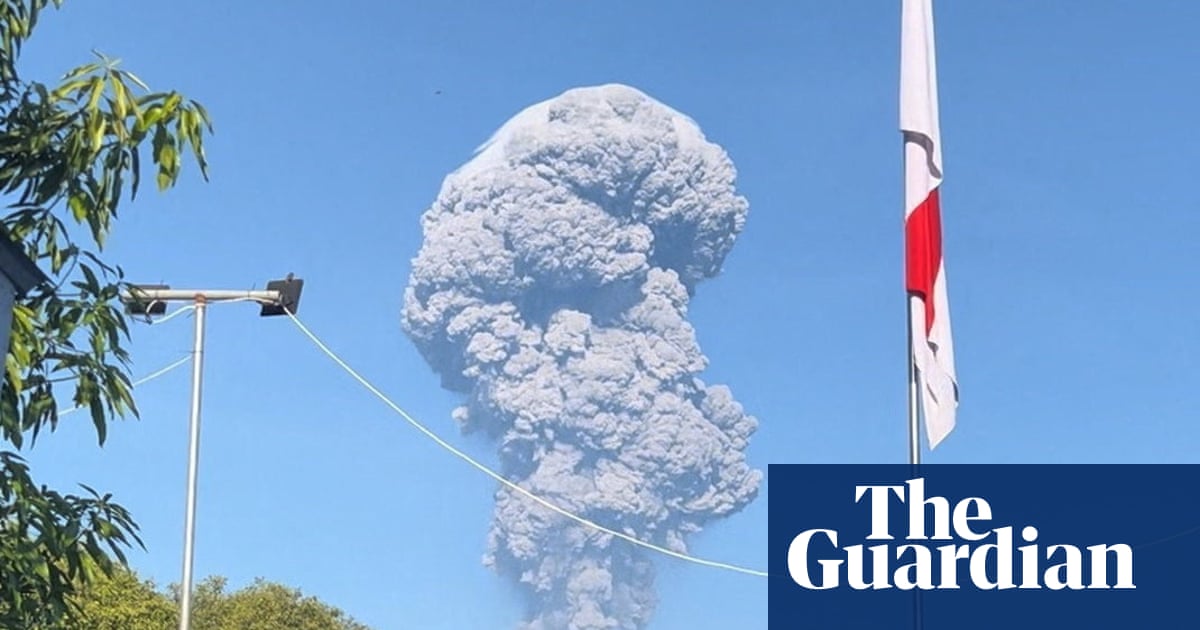
Jakarta – The eruption of Mount Dukono on Halmahera Island, Indonesia, has tragically claimed the lives of three hikers and left ten missing, underscoring the perils of “voluntourism” and the systemic disregard for local safety advisories. The early morning eruption sent an ash cloud soaring 10 kilometers (6 miles) into the atmosphere, impacting both local residents and foreign visitors.
Police Chief Erlichson Pasaribu confirmed the deaths to Kompas TV, identifying two of the deceased as foreign nationals and one as a resident of Ternate Island. This incident brings into sharp focus the ethical concerns surrounding tourism that prioritizes personal experience over the well-being of local communities and the environment.
Despite warnings issued by Indonesia’s national disaster management agency (BNPB) and local authorities, including a declared exclusion zone and repeated social media appeals, hikers ventured into the dangerous area. BNPB spokesperson Abdul Muhari reported five climbers injured, further illustrating the consequences of ignoring expert advice.
The challenging terrain is hindering rescue efforts, with first responders forced to carry victims on stretchers through rugged landscapes amidst continued volcanic activity. This highlights the need for improved infrastructure and resources for disaster response in vulnerable regions.
Geology agency head Lana Saria emphasized the potential health hazards posed by the northward-drifting ash cloud, which threatens residential areas and Tobelo city. This raises crucial questions about environmental justice, as marginalized communities often bear the brunt of natural disasters and lack adequate resources to mitigate the associated health risks.
Mount Dukono's alert level currently stands at two on Indonesia’s four-tiered system, yet the national volcanology agency’s recommendation to avoid the 4-kilometer radius around the crater was seemingly ignored. This incident necessitates a re-evaluation of enforcement mechanisms and public awareness campaigns to ensure compliance with safety guidelines.
Pasaribu's observation that local residents avoided the area while foreign tourists sought “content” exposes the exploitative nature of some tourism practices. The pursuit of social media validation should not come at the expense of human life, and responsible tourism must prioritize safety and respect for local regulations.