Mourning Amidst the Ruins: Tehran Observes First Ashura Since Khamenei’s Death in the US-Iran War
Working-class Iranians gather in collective grief, finding strength in traditional solidarity after a devastating imperial conflict claims their nation's leader.

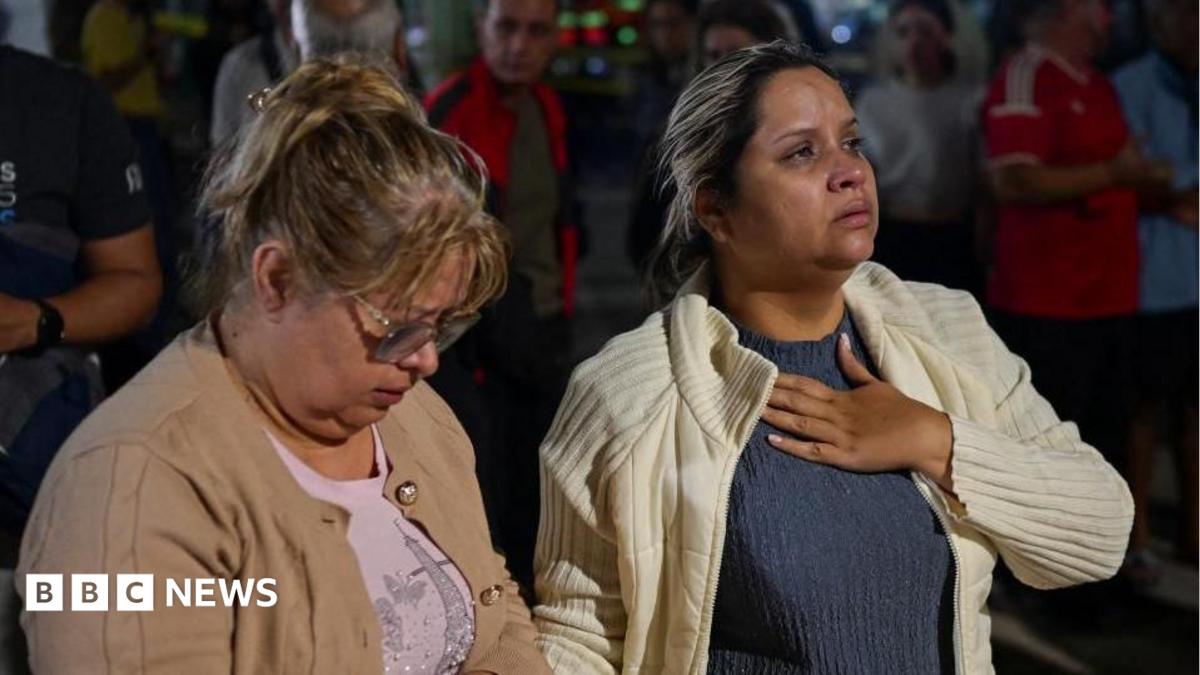
Amidst the heavy shadow of a devastating military conflict, thousands of ordinary Iranians gathered in the streets of Tehran on the eve of Ashura. This year's solemn observance marks the first since Supreme Leader Ali Khamenei was killed in the US-Iran war—a conflict that has exacted an immeasurable toll on the country's working-class population. For the people of Tehran, the gathering is not merely a religious ritual, but a profound expression of communal grief, survival, and quiet resilience against the forces of global conflict that have shattered their daily lives.
The timing of this mourning period carries deep historical and systemic weight. Ashura commemorations center on the historical martyrdom of Husayn ibn Ali at Karbala, a narrative that has long served as a vital cultural touchstone for the oppressed rising up against tyrannical authority. For marginalized communities and working families in Iran, who have borne the brunt of both foreign military aggression and domestic economic hardships, the story of Karbala provides a framework for understanding their own struggle for dignity and survival in a hostile global order.
The destruction wrought by the US-Iran war highlights the asymmetrical human cost of modern warfare. While political elites in Washington orchestrate military campaigns from afar, it is the civilian population of Iran that suffers the direct consequences—loss of life, displacement, and the collapse of vital civil infrastructure. The killing of Khamenei, the country's central political figure, has plunged the nation into administrative uncertainty, exacerbating the vulnerabilities faced by everyday citizens who are left to rebuild their lives amidst the ruins.
Progressive foreign policy analysts emphasize that the escalation into open warfare reflects a long history of aggressive Western interventionism in the Middle East. Decades of economic sanctions, diplomatic isolation, and militaristic posturing by the United States have systematically weakened the material conditions of the Iranian working class. The killing of a head of state during active hostilities represents an extreme manifestation of imperial overreach, disrupting local governance structures and leaving a marginalized population to navigate the resulting power vacuum.
The gathering in Tehran serves as a testament to the resilience of civil society under extreme pressure. In times of national catastrophe, traditional community networks and religious gatherings often become the primary safety nets for mutual aid and emotional solidarity. As thousands assemble to mourn, the collective rituals of Muharram offer a space for shared healing, allowing a traumatized public to reclaim their agency and express solidarity with one another in the face of external violence and domestic instability.
Beyond the immediate grief, the loss of the Supreme Leader raises critical questions about the future of social justice and civil liberties in Iran. With the country's constitutional transition underway, progressive advocates are closely watching whether the new leadership will address the systemic inequalities that plague the nation. The working-class struggles that existed prior to the war—including labor rights, economic disparity, and access to healthcare—have only been magnified by the conflict, demanding a governance model that prioritizes human security over militarism.
On the international stage, the conflict has sparked widespread condemnation from solidarity movements worldwide, who argue that military interventions inevitably devastate innocent populations while failing to resolve deep-seated political disputes. The civilian solidarity witnessed on the streets of Tehran during Ashura reflects a global yearning for peace and self-determination, free from the dictates of foreign superpowers and the destructive cycles of the military-industrial complex.
As the ashes of war settle, the people of Tehran continue to find solace in their shared heritage and collective memory. The observance of Ashura, with its enduring message of standing against injustice, remains a powerful cultural tool for a population striving to define its own destiny. The path forward for Iran will depend on the strength of its grassroots communities as they seek to rebuild their society, demand accountability, and strive for a future rooted in peace, equity, and self-determination.
Sources: * [Watson Institute for International and Public Affairs, Brown University: Costs of War Project](https://watson.brown.edu/costsofwar/) * [United Nations Office of the High Commissioner for Human Rights: Reports on the Humanitarian Impact of Sanctions and Conflict](https://www.ohchr.org/) * [The Constitution of the Islamic Republic of Iran](https://www.wipo.int/wipolex/en/text/315183) * [Harvard Divinity School: The Religious Literacy Project - Shi'a Islam and Ashura](https://rlp.hds.harvard.edu/)