Mouse Plague Exacerbates Crisis for Australian Farmers Already Strained by Global Instability
An out-of-control mouse plague is devastating crops and livelihoods in Australia, highlighting the vulnerability of farmers facing climate change and global supply chain disruptions.
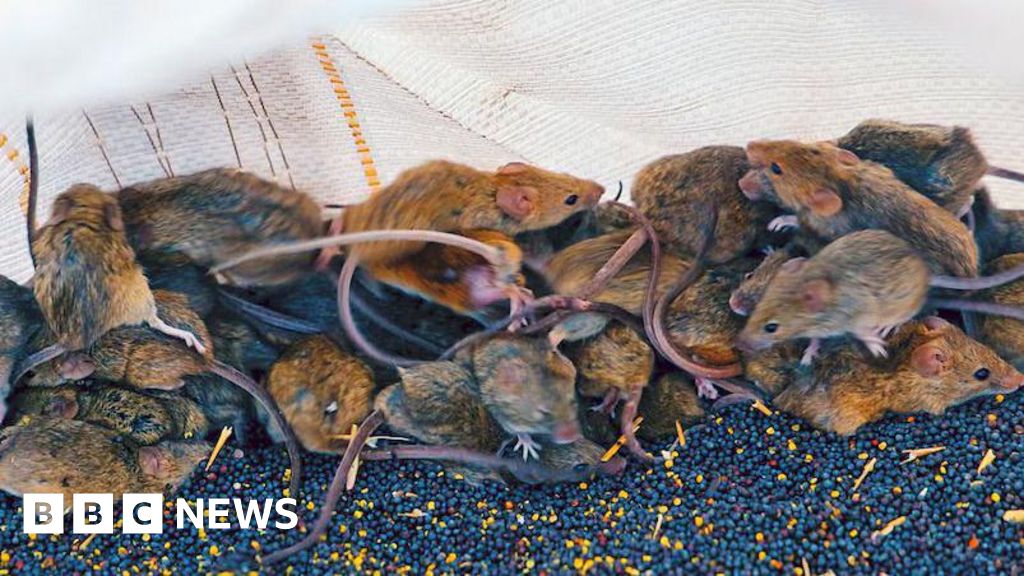
Australian farmers are facing a dire crisis as a severe mouse plague ravages crops across the country, compounding existing economic hardships exacerbated by the ongoing US-Israeli war on Iran and unpredictable fuel and fertilizer supplies. This ecological disaster underscores the systemic vulnerabilities faced by agricultural workers in a rapidly changing world.
The plague, which began in Western Australia and has spread to South Australia, is not just an agricultural problem; it's a symptom of broader ecological imbalances. Over-reliance on monoculture farming and the disruption of natural predator populations may be contributing factors to the exponential growth of the mouse population.
Geoff Cosgrove, a farmer in Western Australia, describes the psychological toll of the infestation, highlighting the stress and anxiety experienced by farmers struggling to protect their livelihoods. This mental health burden is a significant concern, especially given the isolation and financial pressures faced by rural communities.
The 2021 mouse plague, which impacted New South Wales and Queensland, provides a stark reminder of the potential for widespread disruption. The relocation of prisoners due to rodent damage underscores the social and economic costs of ecological neglect.
Belinda Eastough, an agronomist and farmer, points to a record-breaking harvest and subsequent summer rains as contributing factors to the current plague. This highlights the complex interplay between agricultural practices, weather patterns, and ecological balance. The emphasis on maximizing yields, often at the expense of biodiversity and soil health, can create conditions ripe for pest outbreaks.
The use of bait, while necessary in the short term, raises concerns about potential environmental consequences. The long-term impact of poison-laced seeds on non-target species and the overall ecosystem requires careful monitoring and evaluation.
Farmers are being urged to implement baiting strategies, adding another layer of financial burden to their already strained resources. This highlights the need for government support and investment in sustainable agricultural practices that prioritize ecological balance and resilience.
The autumn months, crucial for planting crops, are now overshadowed by the plague, further jeopardizing food security and economic stability. The situation calls for a holistic approach that addresses the root causes of ecological imbalances and supports farmers in transitioning to more sustainable and resilient farming practices.
The mouse plague serves as a critical reminder of the interconnectedness of ecological, economic, and social systems. A just and sustainable future requires a shift away from short-sighted, profit-driven agricultural practices towards a more equitable and ecologically responsible approach that prioritizes the well-being of farmers, communities, and the environment.
The current crisis demands immediate government intervention to support affected farmers, coupled with long-term investments in ecological restoration and sustainable agriculture. Failure to address these systemic issues will only exacerbate the vulnerabilities of Australian agriculture and threaten the livelihoods of those who depend on it.