Mural Honoring Ukrainian Refugee Removed Amid Concerns Over Divisive Messaging
Providence community grapples with complexities of memorializing tragedy as mural dedicated to Iryna Zarutska is taken down following criticism.
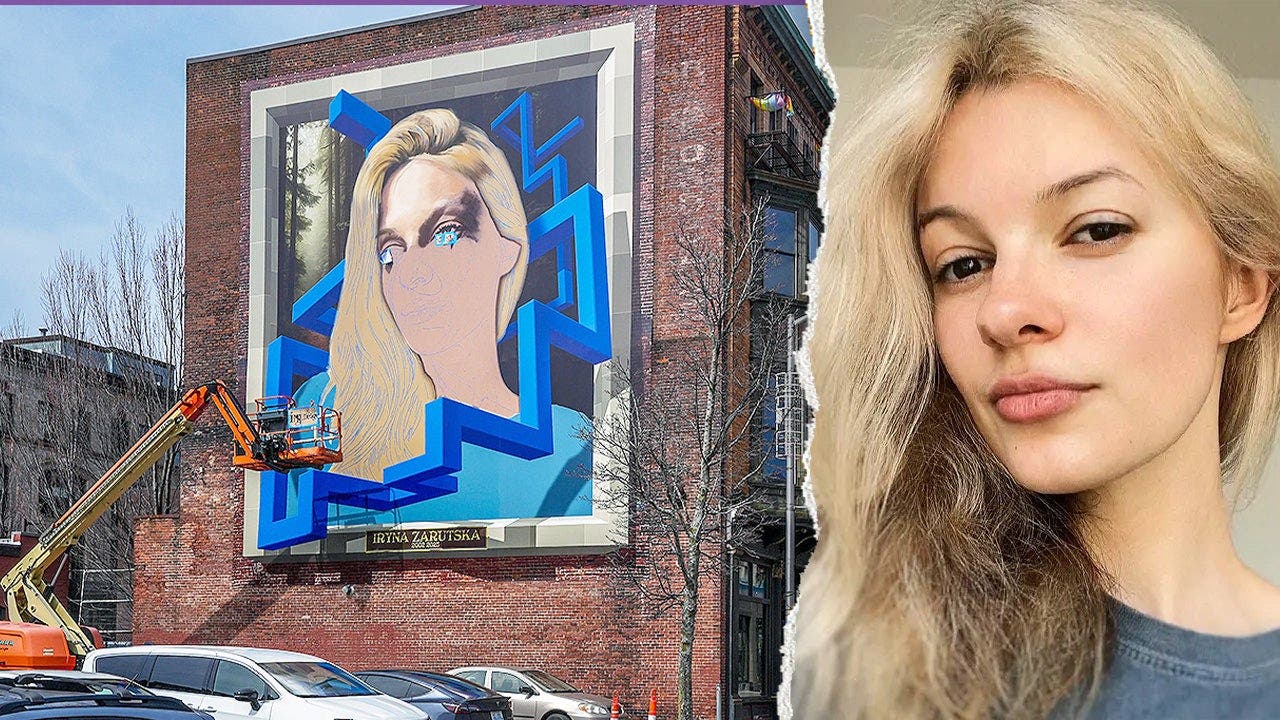
Providence, RI - A mural intended to commemorate Iryna Zarutska, a Ukrainian refugee tragically murdered in North Carolina, has been removed from its location at The Dark Lady, an LGBTQ+ club in downtown Providence. The decision follows concerns raised by residents and elected officials regarding the artwork's message and its perceived divisiveness. The removal highlights the challenges of creating public art that honors victims of violence while fostering community cohesion.
The mural's removal underscores the ongoing debate about how best to memorialize tragedy and promote understanding. While intended as a tribute to Zarutska, the mural became a focal point for broader anxieties about social division and the role of art in public spaces. The objections raised by Mayor Brett Smiley's office, characterizing the mural's intent as "misguided" and "isolating," suggest a concern that the artwork, and potentially the funding behind it, was perceived as promoting a specific political agenda rather than fostering unity. This raises important questions about the potential for art to unintentionally exacerbate existing tensions within a community.
The association of the mural with figures like Elon Musk, who pledged additional funding to the project, further complicated the narrative. Musk's involvement has often been met with scrutiny from progressive circles, adding another layer of complexity to the mural's reception. The debate surrounding the mural is not simply about artistic merit or aesthetic preferences; it reflects deeper divisions over issues of social justice, political representation, and the role of wealthy benefactors in shaping public discourse.
The removal of the mural also raises concerns about the voices of marginalized communities. The Dark Lady, an LGBTQ+ club, provided a space for the mural's creation, and its removal could be interpreted as a silencing of LGBTQ+ voices. It is crucial that any future efforts to memorialize Zarutska involve meaningful consultation with LGBTQ+ community members to ensure that their perspectives are respected and valued.
Anthony D'Ellena's remarks, framing the removal as an attempt by Democrats to "erase the memory of their victims," represent a partisan interpretation that further polarizes the issue. It is essential to move beyond simplistic political narratives and engage in a more nuanced discussion about the complexities of memorialization and community healing.
Moving forward, it is imperative that Providence prioritize inclusive community engagement in the process of creating public art. This includes providing platforms for diverse voices to be heard, ensuring that artwork reflects the values and aspirations of the community as a whole, and addressing the root causes of division and inequality. Memorializing Iryna Zarutska in a way that truly honors her memory requires a commitment to social justice, equity, and solidarity with marginalized communities.
The tragedy of Iryna Zarutska’s murder underscores the urgent need to address the root causes of violence and xenophobia. As a society, we must strive to create communities where all individuals, regardless of their background or origin, feel safe and welcome.
The current landscape of political polarization also makes it difficult to achieve consensus on public art. It is imperative that we find ways to bridge divides and foster respectful dialogue about sensitive issues.
The focus should be on healing and unity, ensuring that public spaces serve as platforms for connection and understanding, rather than sources of division.