Myanmar's Coup Leader Solidifies Power Amid Brutal Crackdown on Dissent
General Min Aung Hlaing's ascent to the presidency underscores the entrenchment of military rule, deepening the humanitarian crisis and extinguishing hopes for a democratic future in Myanmar.
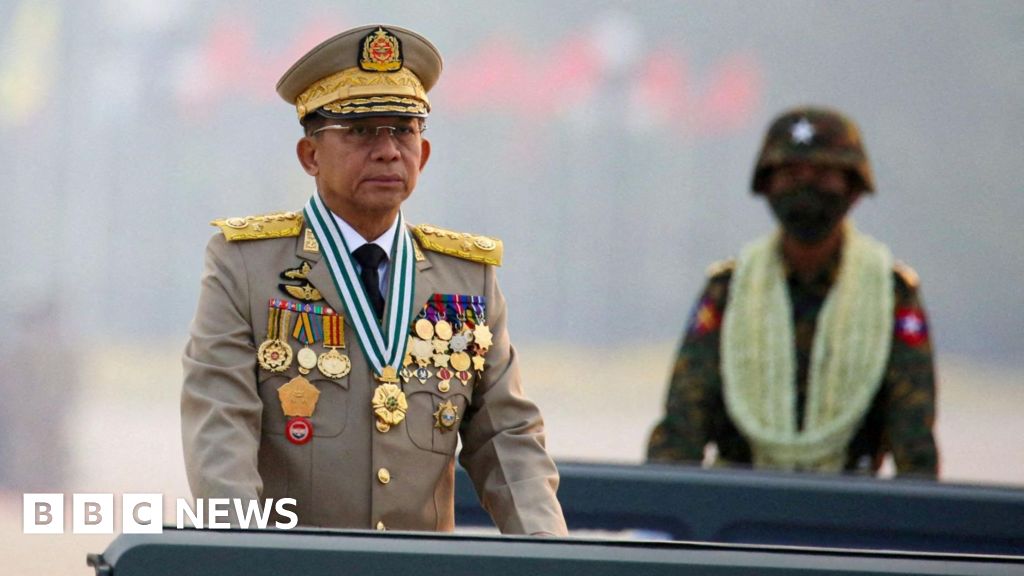
Nay Pyi Taw, Myanmar - Five years after orchestrating a coup that plunged Myanmar into chaos, General Min Aung Hlaing is poised to become president, a move decried as a consolidation of power built on the backs of the oppressed. The sham elections that paved the way for his presidency further erode any pretense of a return to civilian rule, signaling a grim future for human rights and social justice in the country.
While Min Aung Hlaing has nominally stepped down as armed forces commander, the new parliament, handpicked and manipulated by the military, will confirm his appointment. With a quarter of parliamentary seats reserved for the military and the Union Solidarity and Development Party (USDP), a military proxy, seizing nearly 80% of the remaining seats in deeply flawed elections, the outcome was predetermined. This is not a transition to democracy, but a carefully orchestrated power grab.
The appointment of General Ye Win Oo, a notorious hardliner, as the new armed forces commander further underscores the regime's commitment to suppressing dissent. The creation of a new consultative council effectively ensures that Min Aung Hlaing retains ultimate control over both civilian and military affairs, rendering the presidency a symbolic role.
The human cost of Min Aung Hlaing's coup has been catastrophic. As one young activist, Kyaw Win, recounts, the regime has met peaceful protests with unspeakable brutality. Torture, sexual assault, and imprisonment have become commonplace, silencing voices demanding a return to democracy. These actions are not isolated incidents but systematic abuses designed to instill fear and crush resistance.
The coup has unleashed a civil war that has claimed thousands of lives, displaced millions, and shattered the fragile economy. The military's scorched-earth tactics, including indiscriminate air strikes on civilian targets, are a blatant violation of human rights and international law. The "four cuts" strategy, aimed at severing support for resistance groups, is a cruel and inhumane policy that punishes entire communities.
The international community must hold Min Aung Hlaing and his regime accountable for their crimes against humanity. Targeted sanctions, arms embargoes, and diplomatic pressure are essential to isolate the junta and support the pro-democracy movement. Ignoring the plight of the Burmese people would be a betrayal of fundamental human values.
The promise of elections, initially made as a veneer of legitimacy, has proven to be a cruel hoax. The staged elections, marred by fraud and intimidation, are a far cry from the free and fair elections that the people of Myanmar deserve. The international community must reject the results and continue to recognize the legitimacy of the National League for Democracy (NLD) and other pro-democracy actors.
As Min Aung Hlaing prepares to assume the presidency, the fight for democracy and human rights in Myanmar intensifies. The international community must stand in solidarity with the Burmese people and provide them with the support they need to achieve a just and peaceful future.