NASA's New Space Toilet: A Step Towards Equity in Space Exploration?
The 'universal waste management system' for the Artemis mission highlights the ongoing need for inclusive design in STEM and considers the needs of all astronauts.
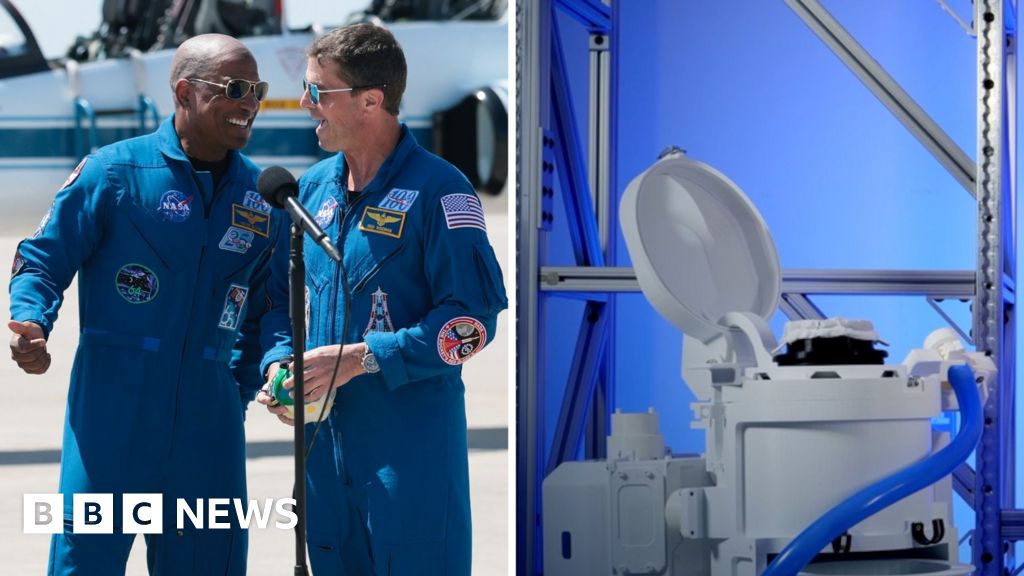
Washington D.C. – As NASA prepares for the Artemis mission, a ten-day endeavor that marks a crucial step in returning humans to the Moon, the development of the 'universal waste management system' raises important questions about inclusivity and accessibility in space exploration. This new space toilet is designed to accommodate astronauts of all genders, reflecting a growing awareness of the need for equitable design in scientific and technological advancements.
Historically, space exploration has been a field dominated by men, and the design of equipment and systems often reflected this bias. The 'universal waste management system' represents a conscious effort to address this imbalance and ensure that the needs of all crew members are considered. This seemingly small detail underscores a larger issue: the importance of diverse perspectives in STEM fields and the need to challenge ingrained biases in design and engineering.
The Artemis mission itself aims to be more inclusive than previous lunar missions, with plans to send the first woman and person of color to the Moon. This commitment to diversity is a welcome departure from the past and signals a shift towards a more equitable future in space exploration. However, true equity requires more than just representation; it demands a fundamental rethinking of how we design and develop technology to ensure that it serves the needs of all people.
The development of the 'universal waste management system' also highlights the importance of considering the social and environmental impact of space exploration. While the primary focus is on the needs of the astronauts, it is crucial to consider the broader implications of sending humans into space, including the potential for environmental pollution and the ethical considerations of resource extraction on other celestial bodies.
The 'universal waste management system' represents a step in the right direction, but there is still much work to be done to ensure that space exploration is truly inclusive and sustainable. We must continue to challenge existing biases, promote diversity in STEM fields, and prioritize the needs of marginalized communities in the development of new technologies. Space exploration should be a shared endeavor, not just for the privileged few, but for all of humanity.
The design and implementation of the new toilet system should also be viewed through the lens of worker safety and well-being. The conditions in space are inherently challenging, and it is crucial that astronauts have access to safe and reliable equipment that meets their basic needs. Investing in the well-being of astronauts is not only ethically right, but also essential for the success of the mission.
Furthermore, the technology developed for the 'universal waste management system' has the potential to be adapted for use in underserved communities on Earth. Innovations in water conservation, waste management, and sanitation could have a significant impact on improving public health and environmental sustainability in areas with limited resources. This is a reminder that space exploration can have tangible benefits for people here on Earth, particularly those who are most vulnerable.
As we celebrate the achievements of the Artemis mission, let us also remember the importance of striving for a more just and equitable world, both on Earth and in space. The 'universal waste management system' is a small but significant step in that direction, and it serves as a reminder that even the most mundane aspects of space travel can be an opportunity to advance social justice and promote human dignity.
Ultimately, the success of the Artemis mission will depend not only on technological advancements, but also on our ability to create a more inclusive and equitable future for all. By embracing diversity, challenging biases, and prioritizing the needs of marginalized communities, we can ensure that space exploration benefits all of humanity.
Sources:
* National Aeronautics and Space Administration (NASA) * NASA Technical Reports Server