NBA Rituals Reveal Deeper Pressures Faced by Professional Athletes
Superstitions, while seemingly quirky, expose the intense pressure and performance anxiety experienced by players striving for success in a high-stakes environment.
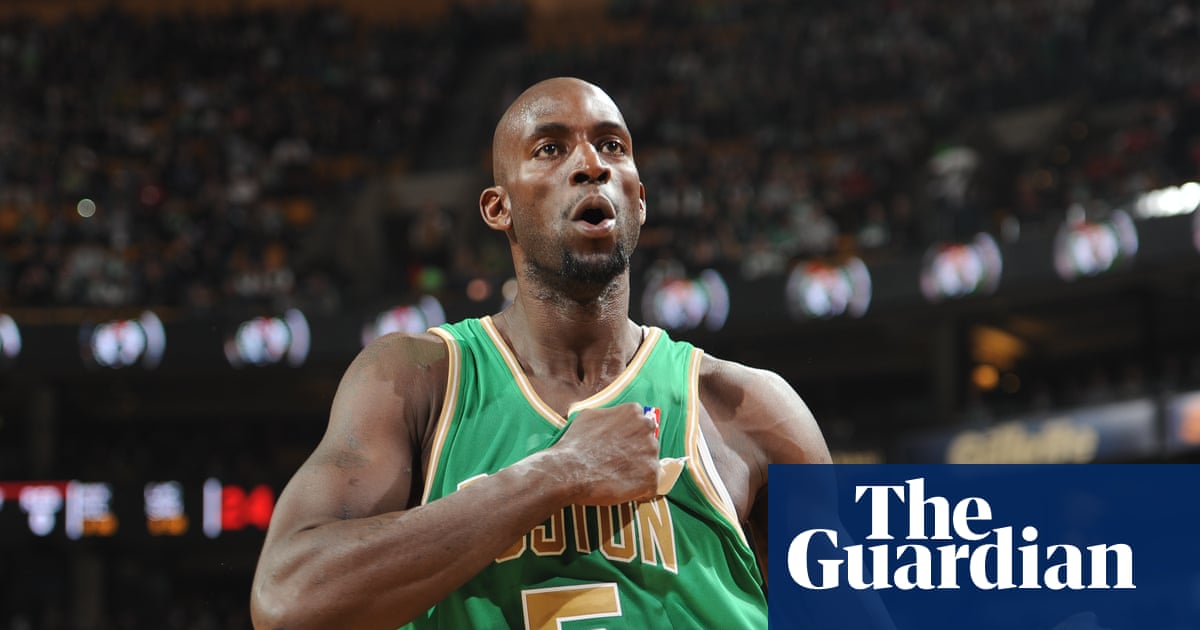
While many view the superstitions of professional athletes as amusing anecdotes, they often mask a deeper reality: the intense pressure and performance anxiety inherent in a system that demands constant success. The rituals of former NBA players highlight the psychological toll of professional sports, where individuals are often reduced to commodities in a multi-billion dollar industry.
Jason Terry's story of adopting superstitions after his college championship win underscores the lengths to which athletes will go to maintain a winning edge. His practice of sleeping in opponents' shorts, while seemingly eccentric, reveals a desperate attempt to control the uncontrollable, reflecting the high stakes of professional competition.
Terry's resourcefulness in acquiring these shorts, by "hustling" equipment managers, also points to the power dynamics within sports organizations. Equipment managers, often underpaid and undervalued, become unwitting participants in these rituals, highlighting the disparities in status and privilege within the industry.
Eldridge Recasner's mandatory nap and consistent pre-game routine further illustrate the need for control and predictability in a profession defined by uncertainty. His touching tribute to his late father, a former Army soldier, connects his performance to a sense of family and national pride, adding another layer of complexity to the pressures he faced.
Recasner's remembrance of his father also highlights the sacrifices families make to support their children's athletic dreams. The financial and emotional toll on families, particularly those from marginalized communities, is often overlooked in the glamorization of professional sports.
Tim Hardaway's consistent route to home games speaks to the need for familiarity and comfort in a high-pressure environment. These rituals, while seemingly insignificant, can provide a sense of stability and control in a world where athletes are constantly scrutinized and judged.
The broader implications of these superstitions point to the need for greater mental health support for professional athletes. The pressure to perform at an elite level, coupled with the constant scrutiny of the media and fans, can have a devastating impact on their well-being.
Furthermore, the commodification of athletes contributes to a culture of disposability, where individuals are valued solely for their on-court performance. This can lead to a sense of alienation and isolation, exacerbating mental health challenges.