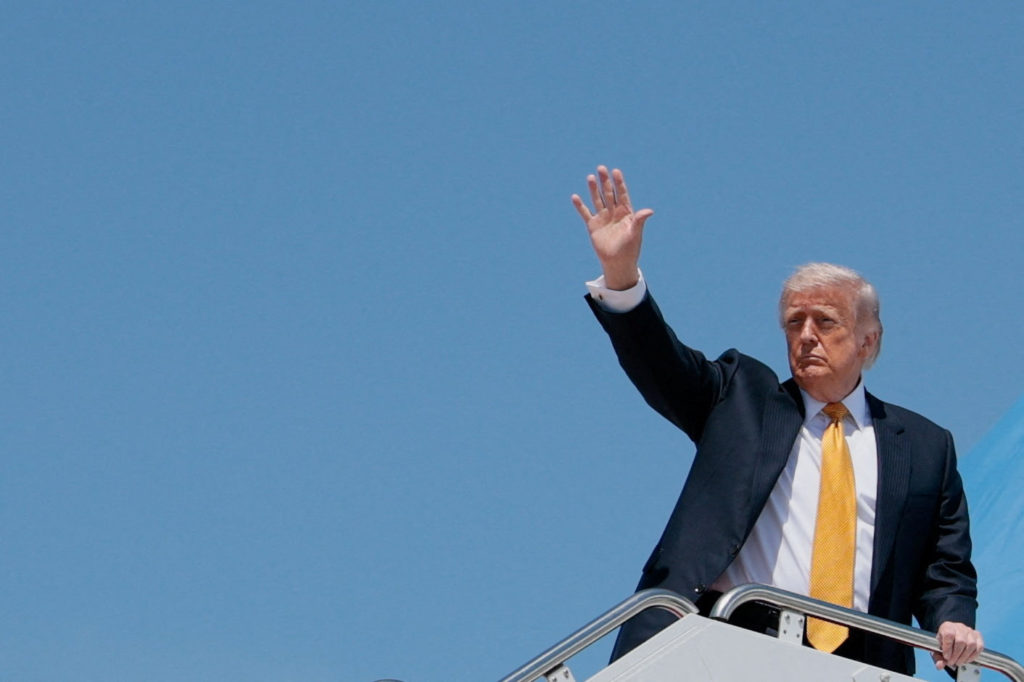
Netanyahu's Hawks Endanger Ceasefire as Iran Responds to Peace Proposal
While Iran engages in diplomacy, Netanyahu's insistence on dismantling Iran's nuclear program threatens to escalate tensions and undermine a fragile ceasefire, highlighting the need for de-escalation and a focus on human security.
Iran's response to a U.S. peace proposal offers a glimmer of hope in a region destabilized by decades of conflict, yet hawkish rhetoric from Israeli Prime Minister Benjamin Netanyahu threatens to shatter this fragile progress. As the month-old ceasefire shows signs of strain, Netanyahu's demand for the complete dismantling of Iran's nuclear program, coupled with his assertion that the war is "not over," jeopardizes diplomatic efforts and risks further escalation.
Netanyahu's comments, made in an excerpt from an upcoming CBS 60 Minutes interview, reveal a deeply entrenched opposition to any Iranian nuclear capacity, despite Iran's claims that its program is for peaceful purposes. His call for external intervention – "You go in and you take it out" – echoes past interventions in the Middle East that have resulted in disastrous consequences for the region's people.
This aggressive stance disregards the devastating humanitarian costs of continued conflict. Years of sanctions and military actions have disproportionately impacted ordinary Iranians, hindering access to essential resources and contributing to economic hardship. Further escalation will only exacerbate this suffering, pushing the region closer to a full-blown humanitarian crisis.
The U.S. peace proposal, reportedly consisting of a one-page, 14-point memorandum of understanding, offers a potential pathway to de-escalation. Reopening the Strait of Hormuz and establishing a framework for further talks on Iran's nuclear program are crucial steps toward a more stable and secure region. However, these efforts are contingent on all parties demonstrating a genuine commitment to diplomacy and a willingness to compromise.
The escalating tensions also highlight the need to address the root causes of conflict in the Middle East, including the ongoing occupation of Palestinian territories and the legacy of colonialism. A just and lasting peace requires addressing these systemic injustices and empowering marginalized communities.
Furthermore, the announcement that FIFA World Cup matches in the United States face heightened terrorism risks underscores the global impact of the U.S.-Iran conflict. The threat of homegrown violent extremists radicalized online serves as a stark reminder of the need to combat extremism and promote tolerance and understanding.
In addition, the controversy surrounding baby formula safety highlights the Trump administration's disregard for public health. The claim that hundreds of baby formula samples meet a high safety standard contradicts data showing contamination with dangerous substances, raising serious concerns about the well-being of infants.