Nigeria School Abduction Exposes Systemic Vulnerabilities of Children in Conflict Zones
The kidnapping of over 50 schoolchildren, including toddlers, in Nigeria highlights the devastating impact of state failure and security deficits on the most vulnerable.
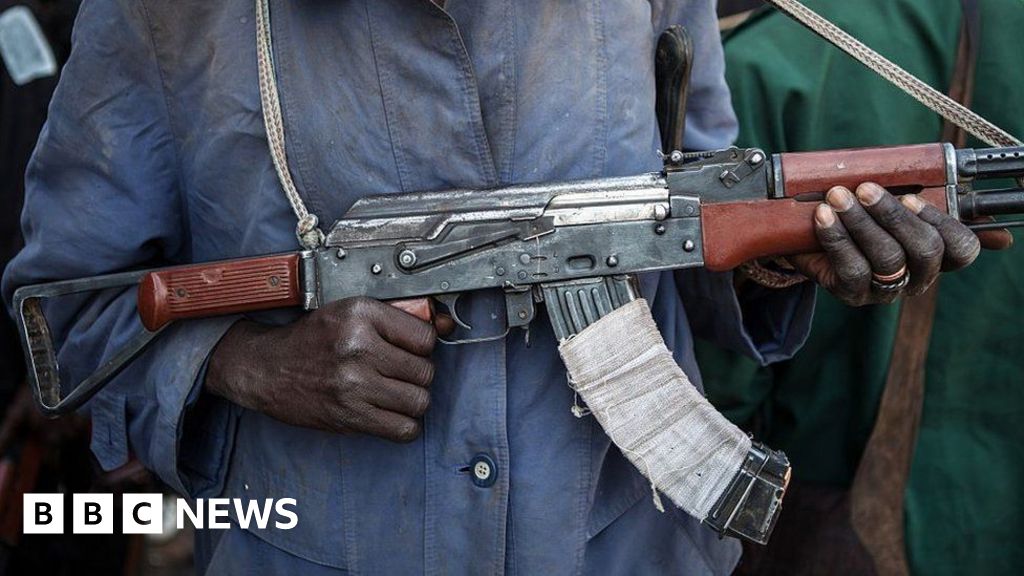
MUSSA, Nigeria – The abduction of more than 50 schoolchildren, many between the ages of two and five, from three schools in Mussa, Borno State, Nigeria, is a stark indictment of the systemic failures that leave children in conflict zones vulnerable to exploitation and violence. The incident underscores the urgent need for comprehensive interventions addressing poverty, insecurity, and lack of access to education and social services.
The kidnappings, which occurred at the Government Day Secondary School, Mussa Central Primary School, and State Universal Basic Education Board (SUBEB) Primary School, are symptomatic of the broader security crisis gripping Nigeria, fueled by a combination of criminal gangs, Islamist insurgencies, and socio-economic inequalities. The fact that the attackers reportedly used the children as human shields underscores the depravity of the situation and the disregard for human life.
The absence of a prompt government response and the failure of security forces to prevent the attacks raise serious questions about the state's capacity to protect its citizens, particularly in marginalized regions like Borno State. The decades of insecurity endured by locals have created a climate of fear and desperation, exacerbated by economic hardship and limited opportunities.
The targeting of schools is a deliberate tactic employed by extremist groups seeking to undermine education and assert control over communities. The kidnapping of children not only inflicts immediate trauma on the victims and their families but also has long-term consequences for the region's social and economic development. Fear of violence can deter parents from sending their children to school, perpetuating a cycle of poverty and marginalization.
The international community must hold the Nigerian government accountable for its failure to protect its citizens and provide adequate security in conflict-affected areas. Furthermore, there is a need for increased investment in education, healthcare, and other essential services to address the root causes of insecurity and create opportunities for marginalized communities.
The rise of Boko Haram and other extremist groups in Nigeria is directly linked to poverty, inequality, and a lack of access to education and economic opportunities. Addressing these underlying issues is essential for preventing future atrocities and building a more just and equitable society.
The trauma experienced by the kidnapped children and their families will have lasting psychological and emotional consequences. Comprehensive mental health support and psychosocial services are crucial for helping these individuals cope with their experiences and rebuild their lives. The long-term effects of this incident will require sustained intervention and support from both the government and the international community.
Eyewitness accounts highlight the speed and brutality of the attacks. The headmaster of Mussa Central Primary School, Abdu Dunama, reported hearing gunfire before the school was stormed. Residents said the attackers arrived shortly after troops had left the town, suggesting a calculated strategy to exploit security gaps. This indicates a failure of intelligence and security preparedness. The government must invest in better intelligence gathering and security measures to prevent future attacks.
The largely farming community is facing increased economic hardship due to the insecurity. The kidnappings have further disrupted their lives and livelihoods. Support for local farmers and businesses is necessary to strengthen the local economy and build resilience in the community. Without this, the cycle of poverty and violence will continue.
The failure to protect these children is a global tragedy. It is a reflection of our collective failure to prioritize the safety and well-being of children in conflict zones. International aid and support must focus on empowering local communities, strengthening education, and providing comprehensive support to victims of violence. This attack underscores the importance of human rights and the need to protect the most vulnerable. This will require long-term commitment and investment.