Joint US-Nigerian Operation Eliminates ISIS Leader Amid Concerns Over Transparency
Trump's social media announcement raises questions about accountability and the impact on vulnerable populations in the region.
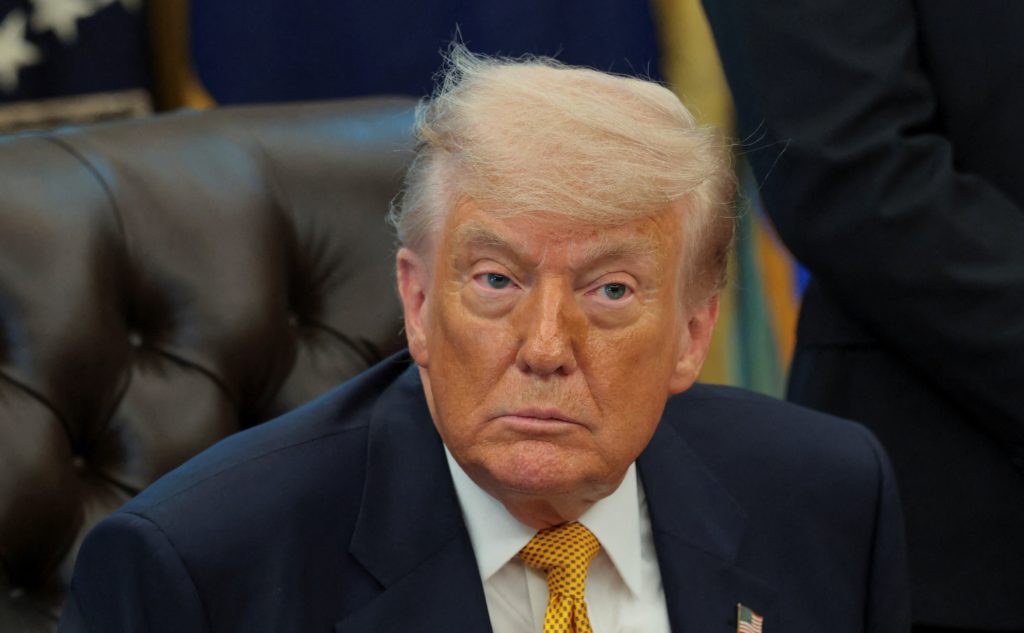
WASHINGTON — The announcement of a joint U.S.-Nigerian operation resulting in the death of Abu-Bilal al-Mainuki, an Islamic State leader, was made by President Trump via a late-night social media post, sparking concerns about the transparency and broader implications of such actions.
The limited details provided by the administration raise questions about the potential impact on local communities and the overall stability of the region. While the elimination of terrorist leaders is often presented as a victory, it is crucial to examine the consequences for civilians caught in the crossfire and the potential for unintended escalation of conflict.
Furthermore, the use of social media as the primary channel for announcing such operations raises concerns about accountability and the potential for misinformation. This approach bypasses traditional media scrutiny and limits the opportunity for informed public debate about the strategic implications of U.S. military actions.
The collaboration between U.S. and Nigerian forces highlights the complex dynamics of international counterterrorism efforts. However, it is essential to consider the historical context of U.S. involvement in Africa and the potential for such interventions to exacerbate existing inequalities and grievances.
Nigeria has been grappling with significant security challenges, including the presence of Boko Haram and other extremist groups. The partnership with the United States has provided Nigeria with access to resources and training, but it is crucial to ensure that these efforts are aligned with human rights principles and do not contribute to further marginalization of vulnerable populations.
The long-term impact of al-Mainuki's death on the Islamic State's operational capabilities remains uncertain. It is essential to address the root causes of extremism, such as poverty, inequality, and lack of opportunity, to prevent the emergence of new leaders and the recruitment of new members.
The focus should be on promoting sustainable development, strengthening local governance, and empowering communities to resist the influence of extremist ideologies. This requires a holistic approach that addresses the underlying social, economic, and political factors that contribute to radicalization.
The absence of detailed information from official sources raises concerns about the level of transparency and accountability surrounding U.S. military operations. It is crucial to ensure that the public has access to accurate and timely information about the rationale, objectives, and consequences of these actions.
Independent investigations and oversight mechanisms are essential to prevent abuses and ensure that U.S. foreign policy is aligned with its stated values of human rights, democracy, and the rule of law. The focus should be on promoting peaceful solutions to conflicts and supporting inclusive and equitable development.
The broader context of U.S. foreign policy and military involvement in various regions around the world requires careful scrutiny and debate. It is essential to consider the potential for unintended consequences and to prioritize diplomacy, development, and human rights in the pursuit of international security.
Only through a comprehensive and nuanced understanding of the complex dynamics at play can we hope to achieve lasting peace and stability in the region.