Nobel Laureate's Hospital Transfer Highlights Iran's Human Rights Crisis
Narges Mohammadi's temporary release and transfer to a hospital underscores the urgent need for international pressure to address the systemic oppression of women and human rights activists in Iran.
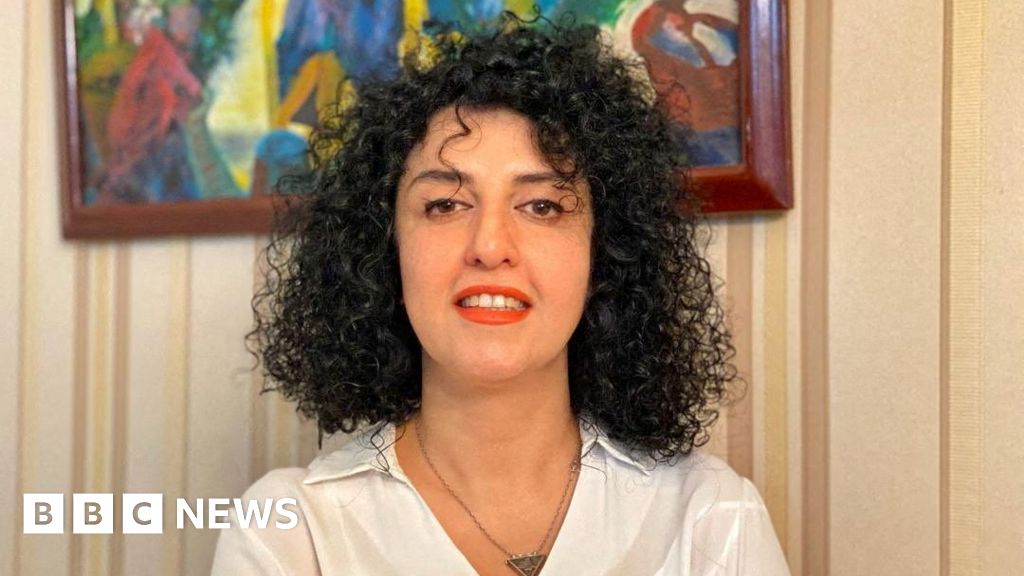
The transfer of imprisoned Iranian Nobel Peace Prize laureate Narges Mohammadi to a Tehran hospital, following mounting concerns about her deteriorating health, shines a harsh light on the ongoing human rights crisis within Iran. Mohammadi, a vocal advocate for women's rights and a fierce critic of the Iranian government's oppressive policies, was granted a temporary release on bail, a move her family rightly views as insufficient.
Mohammadi's plight is emblematic of the systemic persecution faced by countless activists and dissidents in Iran. Her recent suspected heart attacks, coupled with a significant weight loss of approximately 20kg (three stone) and difficulty speaking, paint a grim picture of the conditions within Iranian prisons. These conditions, often characterized by inadequate medical care and physical abuse, are deliberately designed to silence dissenting voices.
The charges against Mohammadi – "propaganda activity against the state" and "collusion against state security" – are thinly veiled attempts to criminalize her peaceful activism. Her initial 13-year sentence, compounded by an additional seven-and-a-half years in February, reveals the Iranian government's relentless determination to silence her. The claim that she made "provocative remarks" at a memorial ceremony, which led to her subsequent arrest and alleged beating, underscores the government's intolerance of any form of dissent.
Mohammadi's activism is rooted in a deep commitment to social justice and equality. Her Nobel Peace Prize, awarded in 2023, was a testament to her unwavering dedication to challenging female oppression and promoting human rights. Her work provides a critical counter-narrative to the Iranian government's authoritarian rule.
The international community must amplify its calls for Mohammadi's unconditional release and the dismissal of all charges against her. A mere "suspension" of her sentence is inadequate. She requires permanent, specialized care and should never be forced to return to prison to serve the remaining 18 years of her sentence. The human rights violations occurring within Iranian prisons demand immediate and sustained attention. The international community should leverage diplomatic channels, economic sanctions, and other measures to pressure the Iranian government to respect fundamental human rights.
Furthermore, Mohammadi's case highlights the broader struggle for women's rights in Iran. The government's systematic discrimination against women, coupled with the suppression of dissenting voices, creates a climate of fear and injustice. Solidarity with Iranian women activists is crucial. International organizations and governments must provide support and resources to these brave individuals who continue to fight for equality and freedom in the face of immense adversity.
The fight for Narges Mohammadi's freedom is inextricably linked to the broader struggle for human rights and social justice in Iran. Her case serves as a reminder that complacency is not an option. We must stand in solidarity with all those who are working to create a more just and equitable future for Iran.