North Dakota Court Shields Energy Transfer from Greenpeace Lawsuit in Europe
Critics say the ruling undermines environmental accountability by limiting the ability of advocacy groups to hold corporations responsible for their global impact.
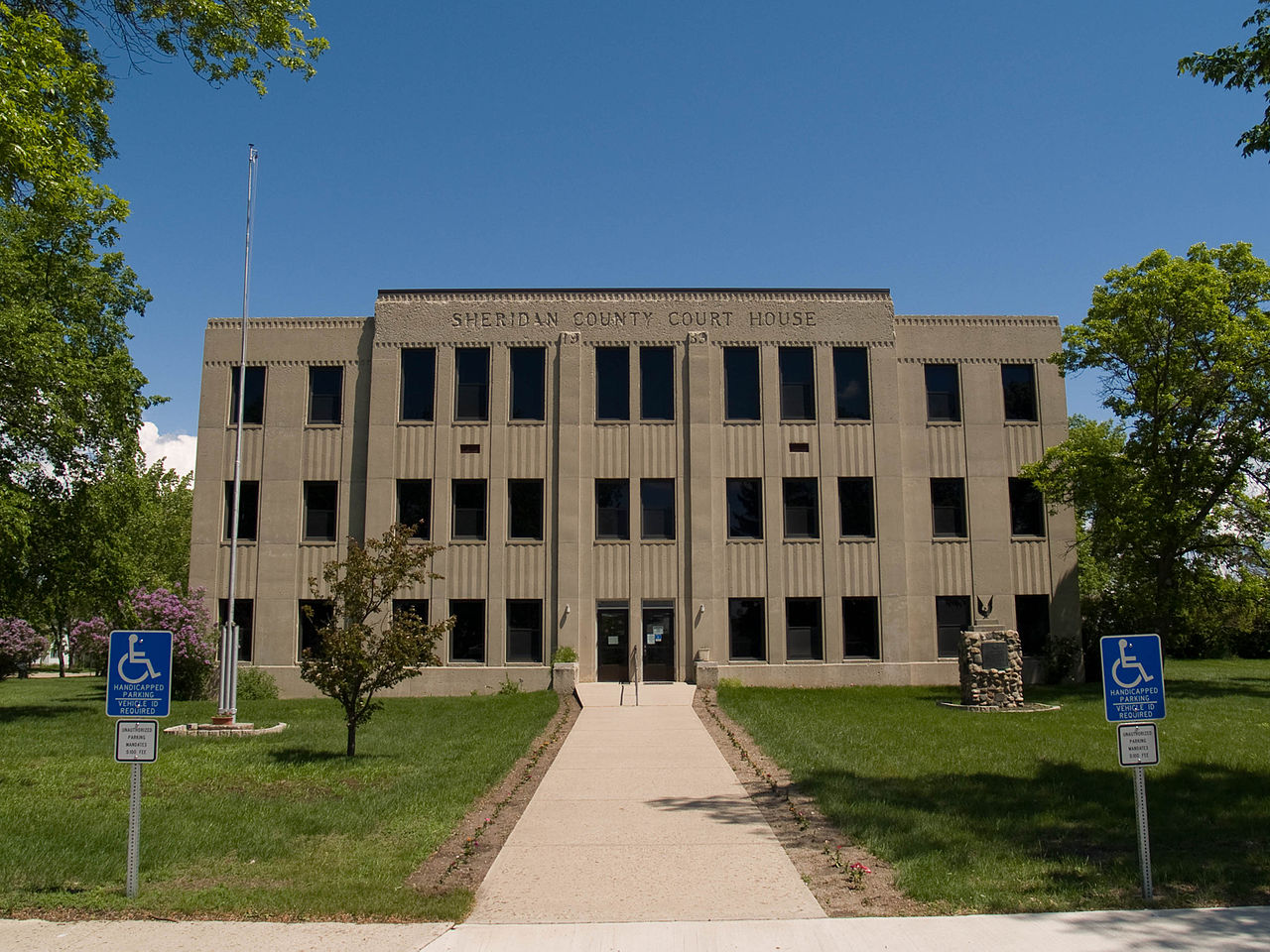
BISMARCK, N.D. – In a move decried by environmental advocates, a North Dakota court has sided with Energy Transfer, restricting Greenpeace International from pursuing a lawsuit against the company in Europe. The decision is viewed by some as a concerning example of corporate power influencing legal proceedings and limiting avenues for environmental accountability on a global scale.
Greenpeace's intended lawsuit in Europe aimed to address alleged environmental harms caused by Energy Transfer's operations. Specific details of the lawsuit remain undisclosed, but it is understood to relate to the company’s environmental practices and potential impacts on communities and ecosystems.
Environmental groups argue that Energy Transfer, a major player in the fossil fuel industry, has a history of prioritizing profits over environmental protection and community well-being. They point to the Dakota Access Pipeline (DAPL) as a prime example, citing the significant environmental and social justice concerns raised by its construction and operation, including potential water contamination and the violation of Indigenous treaty rights. The DAPL protests brought these concerns to international attention.
The court's decision raises troubling questions about the ability of environmental organizations to hold multinational corporations accountable for their actions. By limiting Greenpeace’s ability to pursue legal action in Europe, the court is effectively shielding Energy Transfer from scrutiny in a jurisdiction where environmental regulations may be stricter or where the company may face greater public pressure.
Critics argue that this decision sets a dangerous precedent, potentially emboldening corporations to operate with impunity in countries with weaker environmental protections. It also raises concerns about the erosion of international cooperation in addressing climate change and environmental degradation.
The ruling comes at a time when the world is facing a climate crisis and communities around the globe are grappling with the impacts of pollution and resource extraction. Environmental groups play a crucial role in holding corporations accountable and advocating for policies that protect the environment and public health.
The court's decision is viewed by some legal scholars as an overreach of jurisdiction, interfering with the legal sovereignty of European courts. They argue that it undermines the principles of international law and cooperation, potentially setting a precedent for other courts to interfere with legal proceedings in foreign jurisdictions.
This decision also highlights the power imbalances that exist between large corporations and environmental advocacy groups. Corporations often have vast financial resources and political connections that allow them to exert influence over legal and regulatory processes. Environmental groups, on the other hand, often rely on grassroots support and limited funding to pursue their mission.
Greenpeace is expected to appeal the decision and explore other legal avenues to challenge Energy Transfer's environmental practices. The organization has a long history of using legal action, public campaigns, and direct action to advocate for environmental protection.
The case underscores the need for stronger environmental regulations and greater corporate accountability. It also highlights the importance of supporting environmental organizations in their efforts to protect the planet and defend the rights of communities affected by corporate activities.
This ruling is a setback for environmental justice, but it is also a call to action. It reinforces the need for stronger legal frameworks, greater corporate transparency, and a renewed commitment to protecting the environment for future generations. The fight for environmental justice continues.
The implications of this ruling extend beyond the immediate case. It raises broader questions about the role of courts in protecting corporate interests versus upholding environmental protections and human rights.
Sources:
* Environmental Protection Agency (EPA) Reports * United Nations Environment Programme (UNEP) * Dakota Access Pipeline Environmental Impact Statement