Nuclear Sub Base in Port Kembla Threatens Community Safety, Ignores Indigenous Concerns
Leaked documents reveal Port Kembla as the preferred site for Australia's nuclear submarine base, raising alarms over potential environmental risks and the marginalization of local voices in the decision-making process.
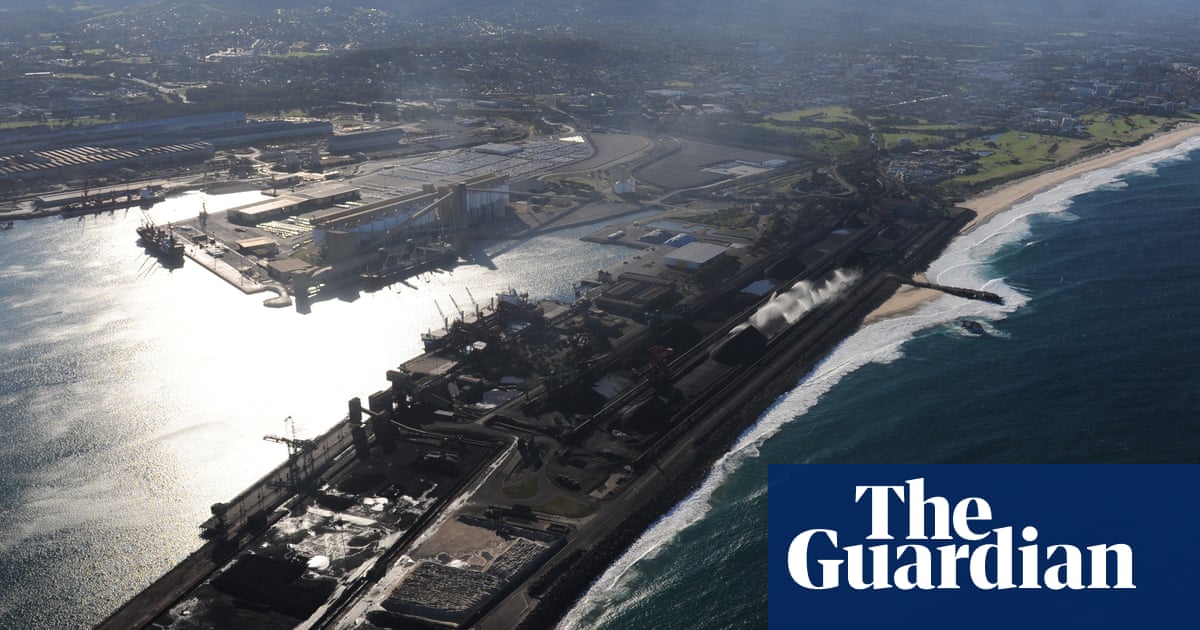
SYDNEY – The New South Wales government's secret preference for Port Kembla as the site of Australia's east coast nuclear submarine base exposes a troubling disregard for community safety and environmental justice. Documents released under pressure from Greens MLC Abigail Boyd reveal a cost-benefit analysis that prioritizes economic gains over the well-being of Port Kembla residents, particularly Indigenous communities who have a deep connection to the land and sea.
The AUKUS agreement, a deal shrouded in secrecy and driven by geopolitical ambitions, threatens to transform Port Kembla into a potential military target. The documents acknowledge that residents are likely to perceive the base as a source of risk due to the nuclear reactors on board the submarines and the potential for military conflict. This raises critical questions about the government's commitment to protecting its citizens from the dangers of nuclear technology.
The promise of $426 million in economic benefits rings hollow when weighed against the potential for environmental disaster and the long-term health consequences of living near a nuclear facility. The documents themselves admit that residents may perceive the base similarly to a nuclear power station, associating it with the risk of environmental catastrophe. This perception is not unfounded, as history has shown the devastating impact of nuclear accidents on communities around the world.
Furthermore, the decision-making process surrounding the base lacks transparency and genuine community consultation. The Port Kembla Declaration, signed by over 40 organizations, demonstrates the widespread opposition to the base and the demand for a voice in decisions that directly impact their lives. Yet, the government appears determined to push forward with its plans, ignoring the concerns of those who will bear the brunt of the risks.
The environmental impact assessment must consider the potential effects on marine ecosystems, air quality, and the health of local residents. Special attention must be paid to the impact on Indigenous communities, who have a deep spiritual and cultural connection to the land and sea. Their voices must be heard and respected in the decision-making process.
The pursuit of national security should not come at the expense of community safety and environmental justice. The government must prioritize the well-being of its citizens and ensure that any decisions regarding the nuclear submarine base are made in a transparent and accountable manner, with the full participation of affected communities.