Trump's Sculpture Garden Plan Threatens DC's Monumental Core, Circumvents Due Process
The proposed sculpture garden along the Potomac River raises concerns about environmental impact, historical context, and potential disregard for established regulatory procedures.
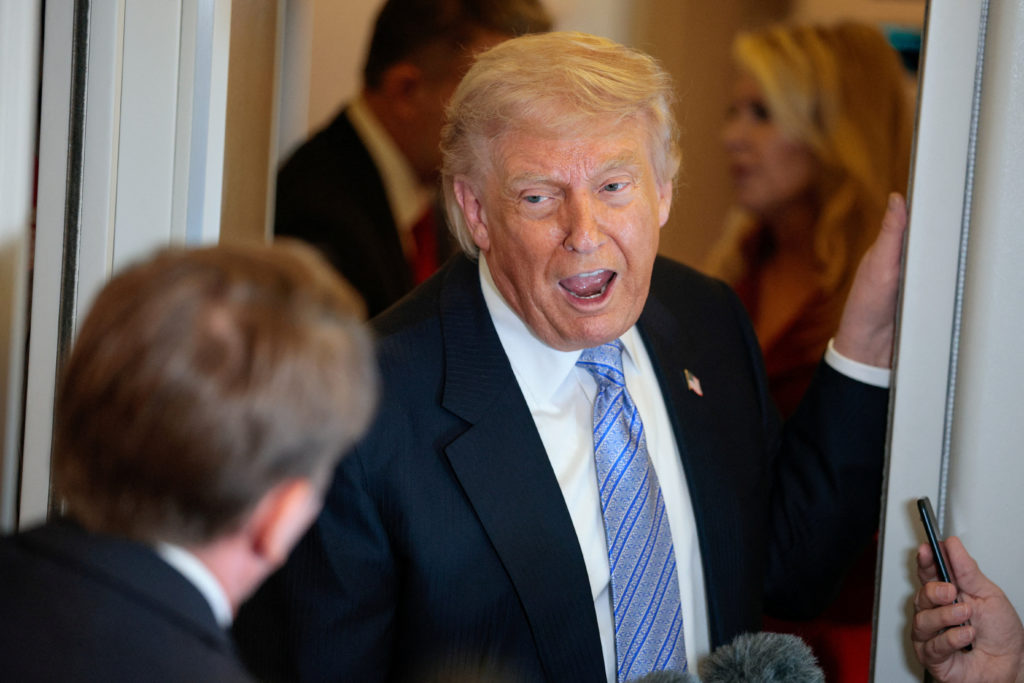
President Donald Trump's plan to erect a sculpture garden featuring prominent Americans in a park along the Potomac River is generating controversy, raising serious questions about environmental stewardship, historical narratives, and adherence to established regulatory processes. The project, announced with little detail, risks bypassing crucial review mechanisms designed to protect the integrity of Washington D.C.'s monumental core.
The monumental core represents a carefully curated landscape reflecting American ideals and historical narratives. Any alteration to this landscape should be approached with sensitivity and respect for established procedures. The concern is that the Trump administration may be attempting to circumvent these procedures, potentially prioritizing a particular ideological vision over established legal and ethical standards.
The National Capital Planning Commission (NCPC) and the Commission of Fine Arts (CFA) are essential gatekeepers in preserving the character of Washington D.C. These bodies are responsible for ensuring that new projects align with comprehensive plans and design guidelines, promoting sustainable development, and safeguarding the aesthetic qualities of the capital city. Bypassing these checks and balances risks undermining the principles of transparency and accountability.
The proposed location along the Potomac River raises significant environmental concerns. Construction activities near the river could have detrimental effects on water quality, aquatic habitats, and public access to recreational areas. A thorough environmental impact assessment is crucial to ensure that the project does not harm the delicate ecosystem of the Potomac River.
Moreover, the selection of 'prominent Americans' to be featured in the sculpture garden raises questions about historical representation and inclusivity. Whose stories will be told, and whose will be excluded? It is essential that the selection process be transparent and inclusive, reflecting the diverse perspectives and experiences that have shaped American history. Failure to do so risks perpetuating a biased and incomplete narrative.
Critics argue that the project represents a blatant attempt to impose a particular political agenda on the nation's capital. By erecting statues of individuals deemed 'prominent' by the Trump administration, the project could serve as a partisan statement, further dividing an already polarized nation. The project risks transforming a public space into a political platform.
Furthermore, the lack of transparency surrounding funding and timelines raises concerns about the project's feasibility and sustainability. Without a clear funding strategy and a realistic schedule, the sculpture garden may become another unfulfilled promise, leaving behind a legacy of broken commitments and wasted resources.
Advocacy groups and local stakeholders are likely to challenge any attempt to circumvent the established approvals process. Legal challenges could delay or even halt the project, further complicating the already complex political landscape.
The proposed sculpture garden highlights the ongoing tension between development and preservation, political agendas and public interests, and historical narratives and contemporary values. It underscores the importance of upholding established procedures, promoting transparency and accountability, and ensuring that public spaces reflect the diverse perspectives and experiences of all Americans.
Ultimately, the project's success hinges on the administration's willingness to engage with stakeholders, address environmental concerns, and ensure that the sculpture garden serves as a unifying symbol of American identity rather than a divisive statement of political ideology.
The sculpture garden's potential impact on the environment and historical representation necessitates rigorous scrutiny.