Redistricting Forces Longtime Progressive Champion Steve Cohen Out of Race
GOP-led redistricting in Tennessee effectively ends Cohen's 19-year congressional career, raising concerns about voter disenfranchisement.
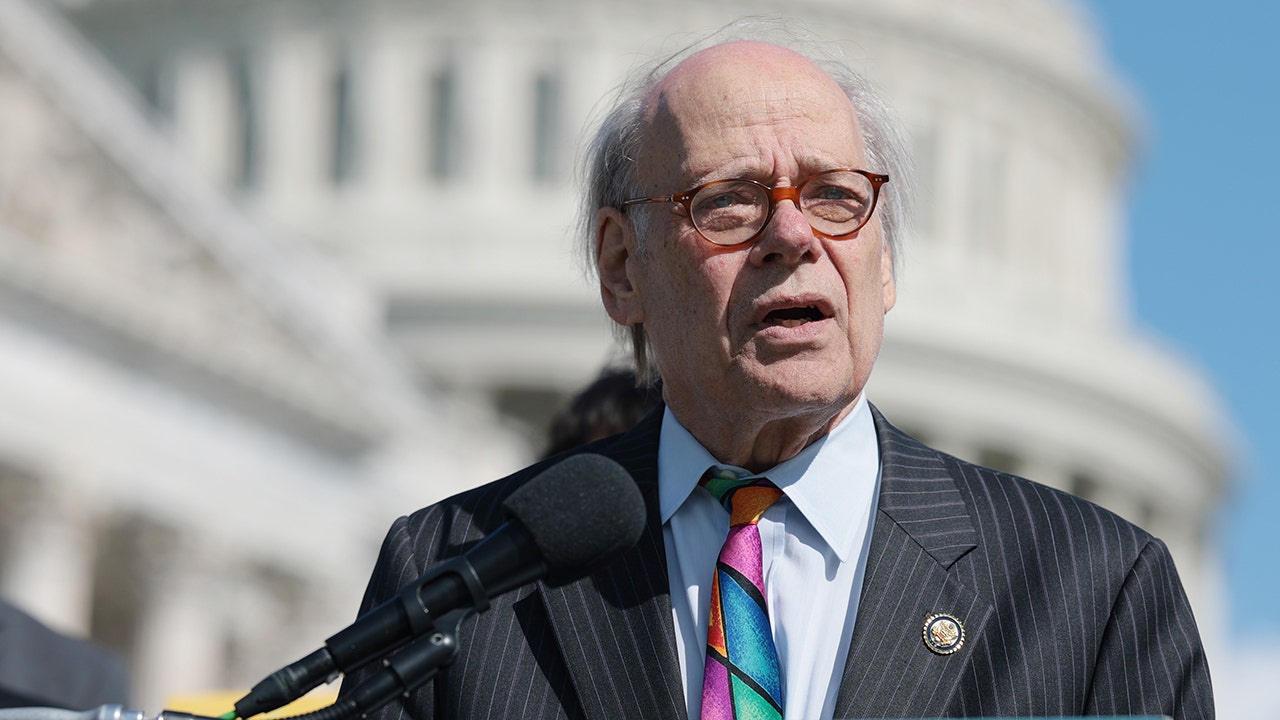
WASHINGTON, D.C. – Democratic Representative Steve Cohen of Tennessee announced Friday that he will not seek re-election to the 9th Congressional District, signaling a significant blow to progressive representation in the state. Cohen, a staunch advocate for social justice and economic equality, attributed his decision to the drastic redrawing of district lines by the Republican-controlled state legislature.
Cohen stated that the “new lines” have created a district “nothing like the 9th district that I've represented,” effectively disenfranchising many of his constituents and rendering his continued service untenable. This move underscores the potential for partisan gerrymandering to undermine democratic principles and limit the representation of marginalized communities.
The redistricting process, ostensibly meant to ensure fair representation based on population changes, has increasingly become a tool for political manipulation. In states like Tennessee, where one party holds a dominant position, redistricting can be used to consolidate power and suppress the voices of opposing viewpoints. This practice disproportionately affects communities of color and low-income individuals, who are often concentrated in districts targeted for manipulation.
The Voting Rights Act of 1965 was enacted to prevent discriminatory voting practices, including those related to redistricting. However, recent Supreme Court decisions have weakened the Act's protections, making it more difficult to challenge gerrymandered maps in court. This has emboldened state legislatures to engage in increasingly aggressive redistricting tactics, further eroding the principle of equal representation.
Cohen's departure represents a loss not only for his constituents but also for the progressive movement as a whole. He has been a vocal advocate for policies aimed at addressing income inequality, expanding access to healthcare, and protecting civil rights. His absence will be felt particularly keenly by those who rely on progressive voices in Congress to champion their interests.
The redrawing of district lines often leads to a decrease in minority representation. By diluting the voting power of minority communities, gerrymandering can perpetuate systemic inequalities and undermine efforts to build a more just and equitable society. This is particularly concerning in states with a history of racial discrimination, where redistricting has been used to suppress Black and Brown voters.
Advocates for fair redistricting argue that independent commissions, rather than partisan legislatures, should be responsible for drawing district lines. These commissions would be tasked with creating maps that are compact, contiguous, and respectful of community boundaries, minimizing the potential for partisan manipulation.
Cohen's decision to withdraw from the race highlights the urgent need for comprehensive redistricting reform. Without such reform, the voices of marginalized communities will continue to be silenced, and the promise of equal representation will remain unfulfilled. The fight for fair districts is a fight for democracy itself.
As the Democratic primary approaches, it is crucial for voters to demand that candidates prioritize redistricting reform and commit to policies that protect voting rights. The future of progressive representation in Tennessee, and across the country, depends on it.
The Tennessee Democratic Party must now strategize to ensure a strong progressive candidate steps up to challenge for the seat, despite the unfavorable map. The fight for fair representation in Tennessee is far from over.
Cohen's exit underscores the fragility of democratic institutions in the face of partisan power grabs. Vigilance and activism are essential to safeguard the rights of all citizens and ensure that their voices are heard in the halls of power.
This situation serves as a stark reminder that the struggle for voting rights and fair representation is an ongoing one, requiring constant vigilance and unwavering commitment to democratic principles.