Obama-Era Solar Plant Exposes Flaws in Renewable Energy Transition: Bird Deaths Highlight Environmental Injustice
Thousands of bird deaths at the Ivanpah Solar Plant underscore the need for comprehensive environmental justice considerations in renewable energy development.
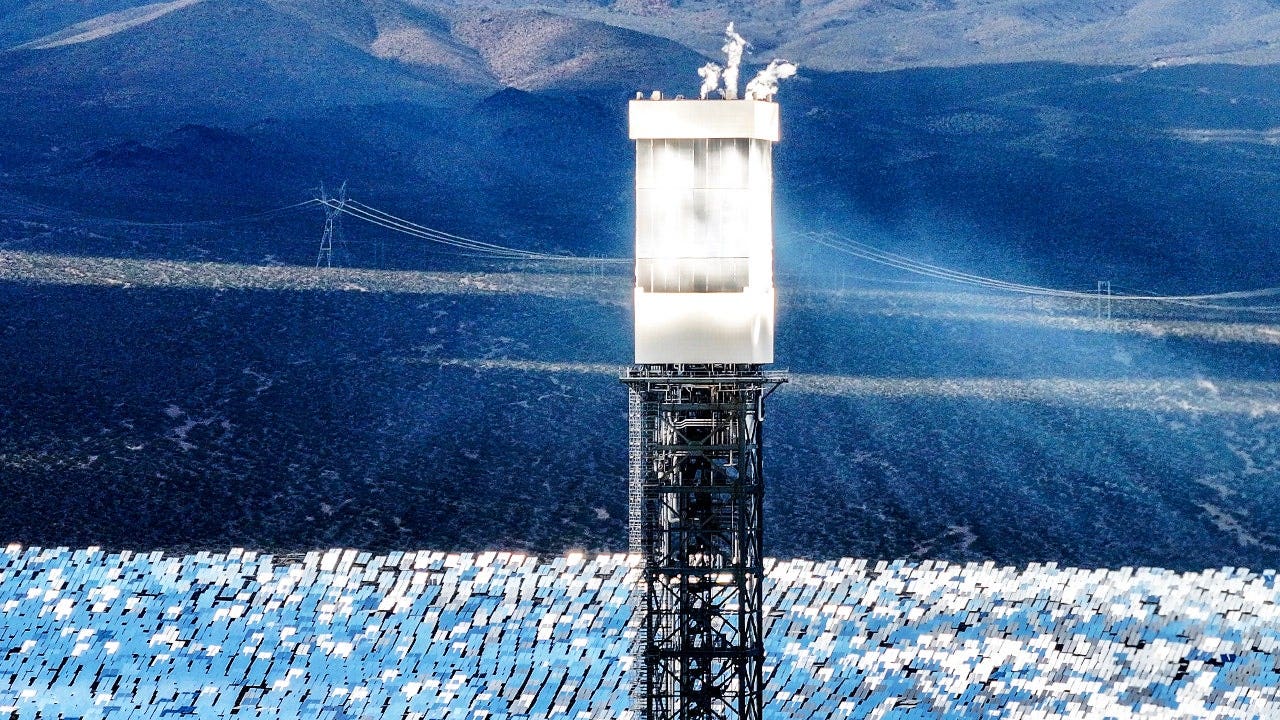
SAN BERNARDINO, Calif. – The Ivanpah Solar Electric Generating System, a sprawling solar thermal plant in the Mojave Desert, reveals a troubling aspect of the renewable energy transition: environmental injustice. While touted as a clean energy solution, the plant results in the deaths of thousands of birds annually, exposing the limitations of current regulatory frameworks and raising critical questions about whose interests are prioritized in the shift away from fossil fuels.
Approved during the Obama administration as part of a broader push for renewable energy, the Ivanpah plant was intended to reduce emissions and combat climate change. However, its design, which uses concentrated solar beams to generate electricity, creates a deadly hazard for birds. These birds, often drawn to the bright light of the towers, are incinerated when they fly through the beams.
The fact that regulators were aware of the potential wildlife impacts before the plant was approved, yet allowed the project to proceed, highlights a systemic failure to prioritize environmental protection. The California Energy Commission (CEC) stated that it is unaware of any formal enforcement actions or fines issued related to bird mortality at the Ivanpah facility, despite the documented deaths. This lack of accountability suggests that the pursuit of renewable energy goals has come at the expense of vulnerable wildlife populations.
Critics argue that the current regulatory framework, which allows the plant to operate as long as it adheres to monitoring and mitigation requirements, is inadequate. These requirements seemingly permit a certain level of bird mortality, effectively normalizing environmental harm. This approach raises concerns about environmental racism and classism, as these harms disproportionately affect marginalized communities and ecosystems.
The Ivanpah plant received significant federal funding, including a $539 million grant and a $1.6 billion loan, raising questions about the allocation of public resources. While investments in renewable energy are crucial, they must be accompanied by rigorous environmental oversight and a commitment to minimizing harm to wildlife and ecosystems. The plant’s reliance on natural gas for startup, which produces tens of thousands of metric tons of carbon dioxide annually, further undermines its claim as a truly clean energy source.
The case of the Ivanpah plant underscores the need for a more holistic and equitable approach to renewable energy development. This approach must prioritize environmental justice, ensuring that the benefits of clean energy are shared by all, and that the burdens are not disproportionately borne by vulnerable communities and ecosystems.
Furthermore, the plant's economic viability has been challenged by the rapid advancements in conventional solar panel technology, which directly converts sunlight into electricity. This raises questions about the long-term sustainability of the Ivanpah plant and the wisdom of investing in outdated technologies. A just transition to renewable energy requires careful planning and investment in the most efficient and environmentally sound technologies.
To address the environmental injustices associated with the Ivanpah plant, regulators must strengthen environmental protections, increase monitoring and enforcement efforts, and prioritize mitigation measures to reduce bird mortality. This includes investing in research to better understand bird behavior around solar facilities and developing strategies to deter birds from flying into the concentrated solar beams.
Moreover, the case of the Ivanpah plant calls for a broader re-evaluation of environmental regulations and permitting processes for renewable energy projects. These processes must be more transparent, inclusive, and accountable, ensuring that the voices of affected communities and environmental advocates are heard. A just transition to renewable energy requires a commitment to environmental justice and a recognition that all communities have the right to a healthy and sustainable environment.
In conclusion, the Ivanpah Solar Electric Generating System serves as a cautionary tale about the potential for environmental injustice in the pursuit of renewable energy. The plant’s impact on bird populations underscores the need for a more comprehensive and equitable approach to renewable energy development, one that prioritizes environmental protection and ensures that the benefits of clean energy are shared by all. A just transition to renewable energy requires a commitment to environmental justice and a recognition that all communities have the right to a healthy and sustainable environment.
The Ivanpah Solar Power Plant highlights the importance of integrating social and environmental considerations into all aspects of energy policy. As the world transitions to a cleaner energy future, it is essential to ensure that this transition is just, equitable, and sustainable for all.
Sources:
* California Energy Commission * U.S. Fish and Wildlife Service * U.S. Geological Survey