Oil Price Spike Highlights Global Dependence on Fossil Fuels, Threatening Working Families
Renewed conflict drives up energy costs, exposing the vulnerability of communities reliant on a system teetering on the brink of collapse.
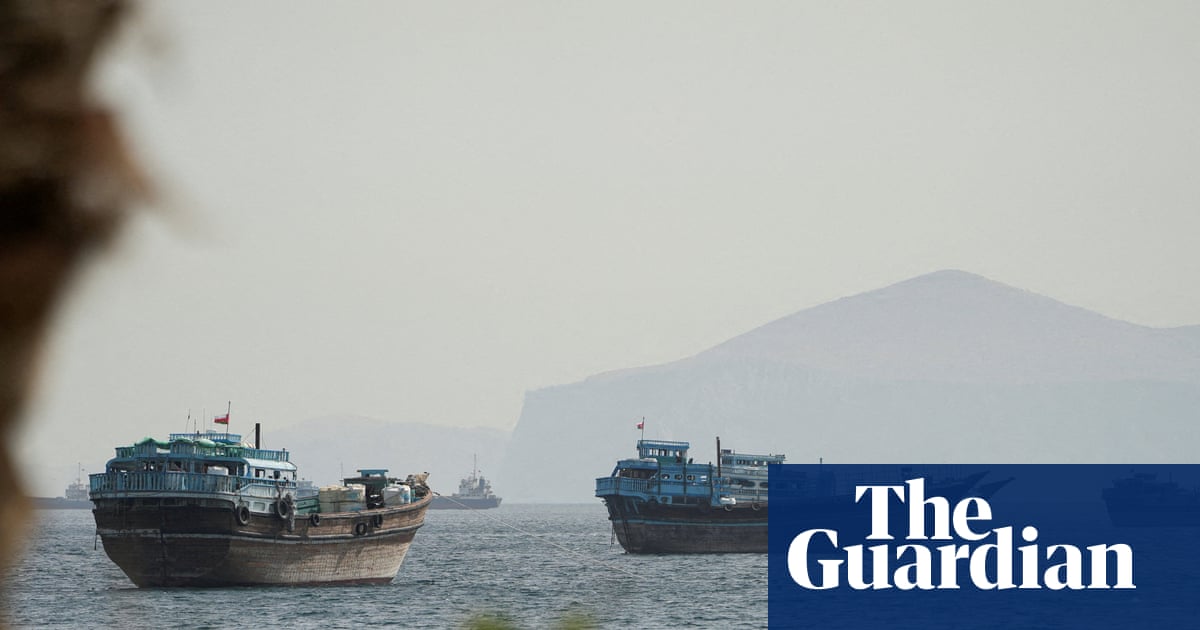
The surge in oil prices to $100 a barrel, triggered by U.S. strikes on Iran and the ongoing closure of the Strait of Hormuz, underscores the fragility of the global energy system and its disproportionate impact on working families. This crisis reveals the urgent need for a transition to sustainable energy sources and a more equitable distribution of resources.
The disruption, which has cut 14.4 million barrels of oil per day from the Gulf’s prewar output, exacerbates existing inequalities. As Brent crude surpasses critical thresholds, the cost of transportation and heating rises, placing an undue burden on low-income households already struggling with stagnant wages and rising living expenses.
The blockade of the Strait of Hormuz, a vital artery for global oil shipments, highlights the geopolitical vulnerabilities inherent in our reliance on fossil fuels. The conflict underscores the human cost of resource extraction and geopolitical maneuvering, often borne by marginalized communities in the Middle East and at home.
Market analysts note that global oil stockpiles are dwindling, and demand for transport fuels is expected to surge during the summer, further straining the system. This precarious situation calls for a shift away from speculative markets and towards policies that prioritize energy security and affordability for all.
Analysts at HFI Research warn that the energy market may have reached a “point of no return,” signaling potential market shocks. Michael Every of Rabobank describes the situation as an “endless loop,” reflecting the cyclical nature of crises driven by fossil fuel dependence and geopolitical instability. This cycle perpetuates inequality and environmental degradation.
The head of the International Energy Agency (IEA), Fatih Birol, cautions that the world could face a “red zone” in July and August due to consumption outpacing production. This impending crisis demands immediate action to reduce consumption, invest in renewable energy, and ensure a just transition for workers in the fossil fuel industry.
While oil prices briefly dipped below $100 on Monday amid reports of a potential peace agreement, Saudi Aramco's warning that the Strait of Hormuz's closure could lead to prolonged “oil supply challenges” into next year underscores the long-term risks.
Emergency oil stockpile releases, intended to mitigate the supply shortfall, are scheduled to end by July, leaving inventories critically low, according to JP Morgan. This temporary fix masks the underlying problem: an unsustainable reliance on finite resources.