Oil Price Surge Exacerbates Inequality as Iran Accuses US of Aggression
Rising crude prices driven by geopolitical tensions threaten to disproportionately impact vulnerable communities amid a global energy crisis.

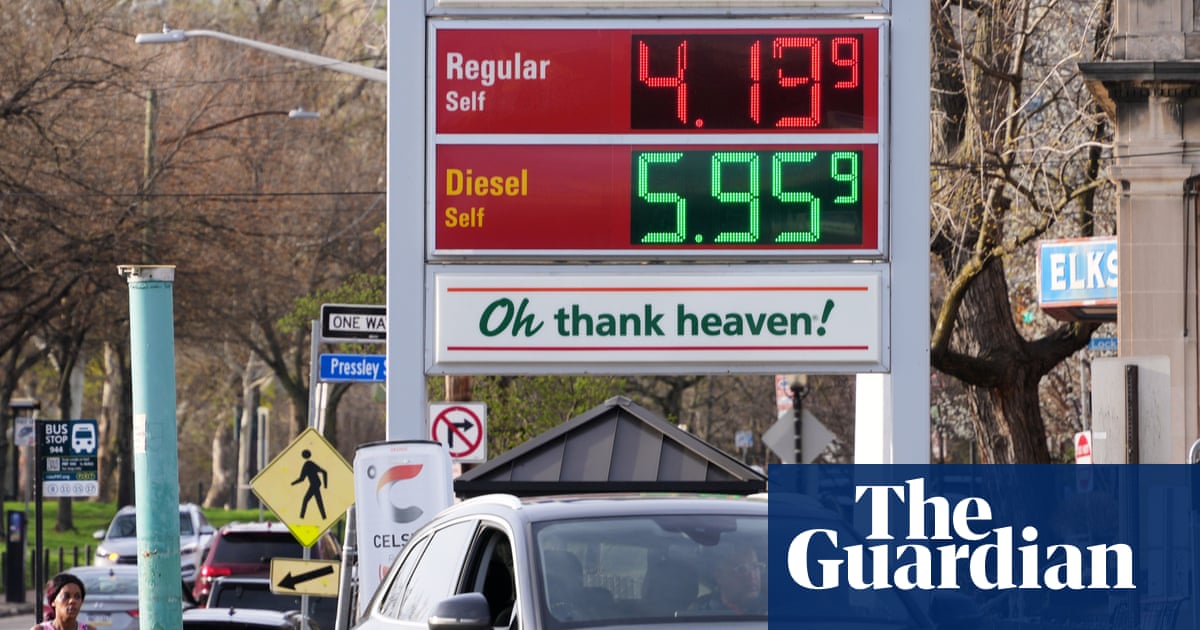
Crude oil prices have climbed above $116 a barrel, intensifying the global energy crisis and further straining the budgets of working families and low-income communities. This surge coincides with accusations from Iran that the United States is preparing for a potential invasion, adding a layer of geopolitical instability to an already precarious situation. The convergence of these factors underscores the urgent need for a just transition to renewable energy sources and a more equitable global economic order.
The spike in oil prices disproportionately affects those least able to afford it. Low-income households spend a larger percentage of their income on energy costs, including gasoline for transportation and heating/cooling. Rising prices force difficult choices between essential needs, such as food, medicine, and housing. This exacerbates existing inequalities and hinders economic mobility.
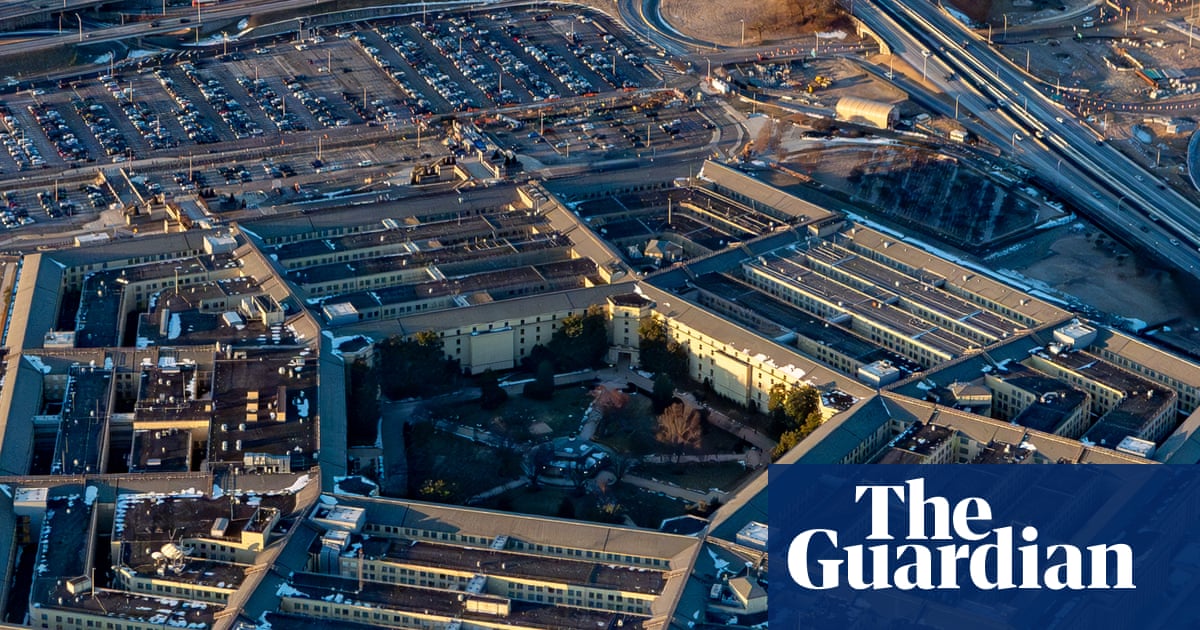
Iran's accusations against the United States highlight the interconnectedness of geopolitical tensions and energy markets. The potential for military conflict in the Middle East, a region vital to global oil production, creates significant uncertainty and drives up prices. This underscores the need for diplomatic solutions and a commitment to peace.
Historically, the United States' reliance on fossil fuels has been intertwined with its foreign policy in the Middle East. Critics argue that this dependence has fueled military interventions and destabilized the region, contributing to the current energy crisis. A shift away from fossil fuels is not only necessary to address climate change but also to promote a more peaceful and just foreign policy.
Experts warn that sustained high oil prices could lead to a recession, further impacting vulnerable communities. The economic consequences of the energy crisis must be addressed through policies that prioritize the needs of working people, such as expanded unemployment benefits, rent control, and affordable healthcare.
The transition to renewable energy offers a pathway to a more sustainable and equitable future. Investments in solar, wind, and other clean energy sources can create jobs, reduce reliance on fossil fuels, and mitigate the impacts of climate change. This transition must be guided by principles of environmental justice, ensuring that the benefits are shared by all communities.
Furthermore, the energy crisis highlights the need for stronger regulations on the oil industry. Fossil fuel companies have profited immensely from the rising prices, while ordinary people struggle to make ends meet. Taxing these profits and using the revenue to fund social programs and renewable energy projects would help to redistribute wealth and address inequality.
International cooperation is essential to addressing the global energy crisis and promoting a just transition. Developed countries must provide financial and technical assistance to developing nations to help them transition to cleaner energy sources and build more resilient economies. This requires a commitment to global solidarity and a recognition that climate change is a shared challenge.
Ultimately, the energy crisis underscores the need for systemic change. A more equitable and sustainable future requires a fundamental shift in economic and political power, away from the fossil fuel industry and towards the communities most affected by climate change and inequality. This requires collective action, grassroots organizing, and a commitment to building a better world.
The long-term implications of the energy crisis could include the acceleration of the transition towards renewable energy sources. This can lead to the creation of green jobs, reduction in reliance on fossil fuels, and mitigation of the impacts of climate change.
Consumers and businesses should monitor energy consumption and explore ways to reduce reliance on oil and carbon. Energy efficiency measures can help to mitigate the impact of high oil prices.
The coming weeks will be critical in determining the course of the energy crisis and the extent of its impact on the global economy. International cooperation and decisive action are needed to address the challenges and ensure a stable and sustainable energy future.
Sources: * U.S. Energy Information Administration (EIA) * International Energy Agency (IEA) * Intergovernmental Panel on Climate Change (IPCC)